Why is modern jewellery moving beyond gold and diamonds?
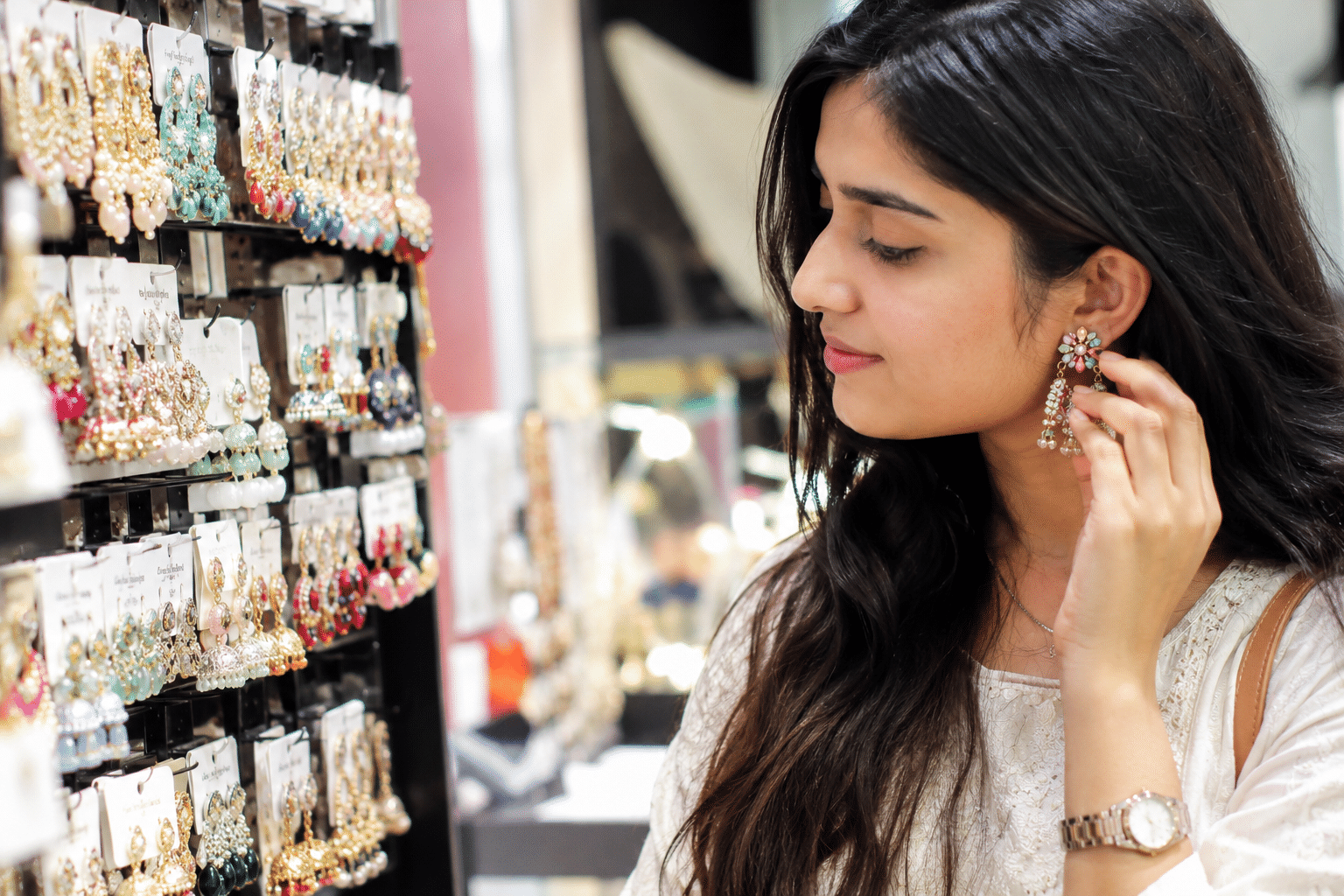
New methods of jewellery
Indians have always loved jewellery. It is not just a fashion accessory but also a symbol of tradition, pride, beauty and family values. Gold and diamonds have played an important role in Indian society for generations. Many families consider gold jewellery a valuable asset because it can be sold or used during financial emergencies. Jewellery is also an important part of weddings, festivals and family celebrations.
However, times are changing. Gold prices are rising, and diamond jewellery can be extremely expensive. Buying traditional jewellery has become difficult for many middle-class families and people living in rural areas. As a result, the jewellery industry is exploring new materials, designs and affordable options. Modern jewellery is moving beyond gold and diamonds to offer people more choices.
Why is modern jewellery becoming popular?
One of the biggest reasons behind the popularity of modern jewellery is affordability. Not everyone can spend thousands or lakhs of rupees on gold and diamond jewellery. People still want to look stylish and wear beautiful accessories, but they also want to manage their budgets.
This has created a growing market for artificial, imitation and fashion jewellery. These products are made using materials such as crystals, glass, beads, colourful stones, metal alloys, resin and imitation pearls. Some designs also use gold-plated finishes to create the appearance of gold at a lower price.
Modern jewellery is available in many styles, colours and patterns. Customers can choose traditional designs for weddings, simple accessories for everyday use or bold pieces for parties and special occasions. This variety has made jewellery more accessible to people from different age groups and income groups.
How is fashion changing the jewellery Industry?
In the past, many people preferred wearing heavy jewellery mainly during weddings, religious occasions and family functions. Gold jewellery was often associated with wealth, family traditions and social status.
Today, jewellery has become a regular part of fashion. Young people wear earrings, rings, bracelets, chains and necklaces to colleges, offices, parties and casual outings. They often choose accessories according to their clothes, personal style and current fashion trends.
Modern jewellery also allows people to experiment with different looks without spending too much money. Someone can buy several affordable accessories and match them with different outfits instead of investing in just one expensive piece.
Social media, fashion influencers and celebrity styling have also contributed to this change. Artificial and statement jewellery is frequently used in fashion photography, music videos, advertisements and photoshoots. These accessories help create different looks without requiring expensive gold or diamond pieces for every appearance.
Why are young people choosing artificial jewellery?
Young customers often prefer jewellery that is affordable, attractive and easy to change according to fashion trends. They may want colourful earrings for one occasion, simple necklaces for everyday wear and fashionable bracelets for parties.
Artificial jewellery makes these choices possible at a lower cost. It also offers more freedom to experiment with unusual shapes, modern patterns and creative combinations.
Another advantage is that losing an inexpensive accessory may cause less financial loss than losing an expensive gold necklace. However, artificial jewellery is not completely theft-proof, and its quality depends on the materials used. Some pieces can also cause skin irritation, tarnish or break if they are not made or maintained properly.
The growing popularity of imitation jewellery shows that people increasingly value personal style and design alongside the traditional value of precious metals.
Is gold losing its importance?
Despite the growing popularity of modern jewellery, gold and diamonds have not lost their importance. Many Indian families continue to purchase gold for weddings, festivals, gifts and long-term wealth preservation. Gold also holds cultural and emotional value that artificial jewellery cannot fully replace.
The difference is that consumers now have more options. They can buy gold for important occasions and financial security while choosing artificial jewellery for daily fashion and temporary trends.
Rising gold prices have encouraged consumers to think carefully about where they spend their money. Instead of buying expensive jewellery for every occasion, many people now combine traditional pieces with affordable fashion accessories.
What is the future of modern jewellery?
The future of jewellery will depend on changing lifestyles, affordability, creativity and consumer preferences. Designers are experimenting with new materials, lightweight products, reusable accessories and innovative designs. Sustainable materials and responsible production may also become increasingly important as consumers pay more attention to environmental concerns.
According to the market estimates, India’s artificial and imitation jewellery market is valued at approximately ₹55,463 crore in 2026 and could reach ₹92,824.20 crore by 2032. These figures should be verified against a reliable market research report before publication.
Environmental concerns related to mining, along with the high cost of precious materials, are encouraging parts of the industry to explore alternative materials. However, gold and diamonds will continue to have a place in the market because of their durability, rarity and established value.
Conclusion
Modern jewellery is changing the way people express beauty, confidence and personal style. Gold and diamonds remain valuable, but they are no longer the only choices for looking fashionable.
Affordable materials, creative designs and changing lifestyles have made jewellery available to a much wider audience. From college students to working professionals, people can now choose accessories that match their budgets and personalities.
The future of jewellery is not simply about replacing gold and diamonds. It is about giving consumers more freedom to choose between tradition, investment, creativity and everyday fashion.