Your Marks Tell One Story, Your Creativity Tells Another: How to Build a Design Portfolio in 2026
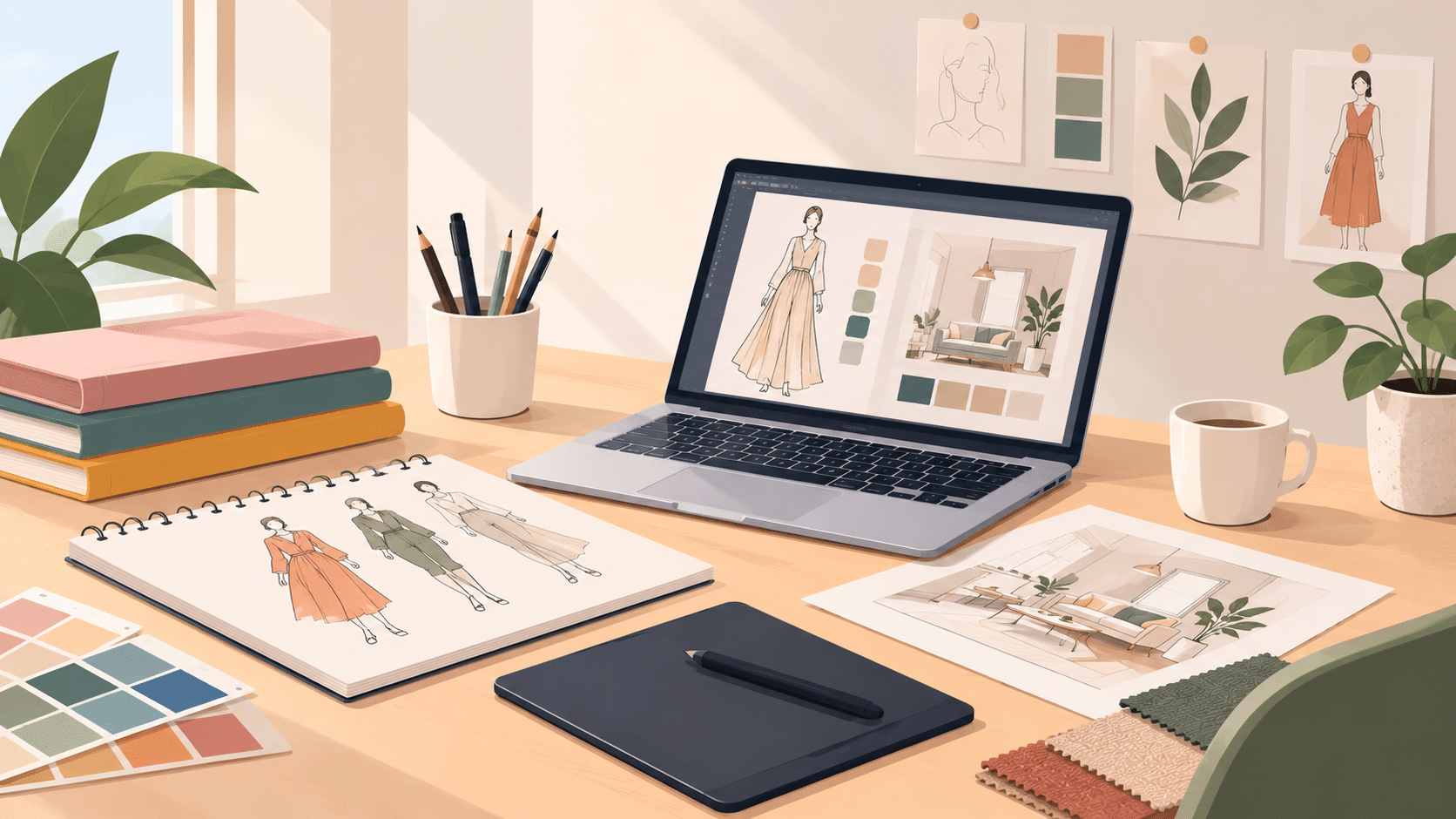
Choosing a creative career is exciting, but it also comes with questions. What if you are not the best at drawing? What if you have never used professional design software? And how can you show your talent when you are just starting?
These concerns are common among students interested in design. The good news is that you do not need to be an expert to begin demonstrating your creative abilities. One of the most valuable things you can develop is a design portfolio.
In 2026, when digital tools make it easier to create visual content, showing how you think, solve problems, and develop original ideas can help you stand out. A portfolio is more than a collection of attractive pictures. It is a way to tell the story behind your creativity.
What Is a Design Portfolio and Why Does It Matter?
A design portfolio is a collection of projects that demonstrates your skills, ideas, and creative development. It may include sketches, digital artwork, fashion illustrations, room layouts, animation concepts, jewellery designs, or other projects related to your interests.
Think of it as a visual introduction to your abilities.
A certificate can show that you completed a course, while a portfolio can help demonstrate what you learned and how you apply that knowledge. It can also give teachers, colleges, internship providers, and potential employers a better understanding of your creative approach.
However, a portfolio does not need to look professional from day one. For beginners, the most important thing is to start creating, learn from feedback, and improve with practice.
Five Steps to Build Your First Design Portfolio
1. Choose a Design Field That Interests You
Before collecting projects, think about the type of design you enjoy most.
Do you like experimenting with clothing and fabrics? Fashion design may interest you. Do you enjoy arranging furniture and improving rooms? Explore interior design. If you prefer colours, typography, and digital visuals, graphic design could be a good starting point.
Students interested in storytelling and digital worlds can explore animation and game design, while those who enjoy detailed drawings and accessories may find jewellery design appealing.
You do not need to make a permanent decision immediately. Start with one area, explore its fundamentals, and discover whether you enjoy the process.
2. Start With Small, Original Projects
Many beginners delay creating a portfolio because they believe their first project must be impressive. This expectation can prevent them from learning.
Instead, choose a simple challenge that you can complete.
For example, design a poster for a fictional music event, create three outfits inspired by nature, redesign your study corner, sketch a jewellery collection, or develop a character for a short animation.
Give each project a clear purpose. Decide who it is for, what problem it addresses, and what you want the final result to communicate.
Small projects help you practise essential skills without making the process overwhelming.
3. Show Your Thinking, Not Just the Final Result
One of the biggest mistakes beginners make is displaying only their finished work.
Design is a process that involves research, experimentation, decisions, and improvements. Showing these stages can make your portfolio more meaningful.
Include your early sketches, reference images, colour choices, rough layouts, and revised versions where relevant. Add a short explanation of the challenge and how you approached it.
For example, an interior design project could show the original room layout, the problems you identified, your proposed arrangement, and the final concept.
This helps people understand not only what you created but also why you made particular decisions.
4. Learn Digital Tools Without Depending on Them Completely
Digital design software and AI-assisted tools can help students explore ideas, organise references, and experiment with different visual directions. Learning to use these tools can be useful in many creative fields.
However, tools should support your thinking rather than replace it.
Develop your understanding of fundamentals such as composition, colour, proportion, typography, materials, and visual communication. These principles help you evaluate whether a design actually works.
If you use AI-generated references or other assisted content, be transparent about your process and follow the relevant project or institution guidelines. Prioritise original work that demonstrates your own decisions and skills.
5. Keep Improving Your Best Projects
A strong portfolio is not necessarily the one with the most projects. It is the one that communicates your abilities clearly.
Review your work regularly. Remove projects that no longer represent your current skills, improve layouts that feel confusing, and add stronger examples as you learn.
Ask teachers, classmates, or experienced designers for constructive feedback. Instead of taking criticism personally, use it to identify what you can improve.
Over time, your portfolio should show progress, curiosity, and a willingness to experiment.
What Should Different Design Students Include?
Your portfolio should reflect the field you want to explore.
- Fashion design: Garment sketches, mood boards, fabric selections, colour stories, and clothing concepts.
- Interior design: Space-planning exercises, furniture layouts, material palettes, lighting ideas, and room concepts.
- Graphic design: Posters, branding concepts, typography studies, packaging ideas, and digital layouts.
- Animation and game design: Character designs, storyboards, environment sketches, motion experiments, and game concepts.
- Jewellery design: Ring and necklace sketches, gemstone studies, material explorations, and original accessory concepts.
Choose projects that show different aspects of your thinking while keeping the presentation organised and easy to follow.
How to Choose the Right Design Course After 12th
A suitable design course can help you develop the skills needed to turn creative interests into structured projects.
Before choosing a college or institute, compare the curriculum, practical assignments, faculty experience, workshop facilities, software exposure, and opportunities for portfolio development. Ask how students receive feedback and whether they work on projects that reflect real design challenges.
If you are exploring design education in Indore, you can also learn about the programmes offered by Krishna Institute of Design (KID). Compare the available courses with your interests and career goals before deciding which direction suits you.
Remember that learning design is not only about completing assignments. It is about understanding why a design works, learning from mistakes, and becoming more confident in your decisions.
Your First Project Could Be the Beginning of Something Bigger
You do not need expensive equipment, advanced software, or years of experience to begin. A sketchbook, a simple creative challenge, and a willingness to learn are enough to take your first step.
Start with one project this week. Finish it, review it, and make it better. Then move on to the next.
As your skills develop, your portfolio will become a record of your progress and a useful way to present your abilities when exploring further education, internships, and career opportunities.
Your creativity deserves more than an idea in your head. Give it a project, give it practice, and give it the chance to grow.