Why do some rooms make you feel relaxed with designs while others feel stressful ?
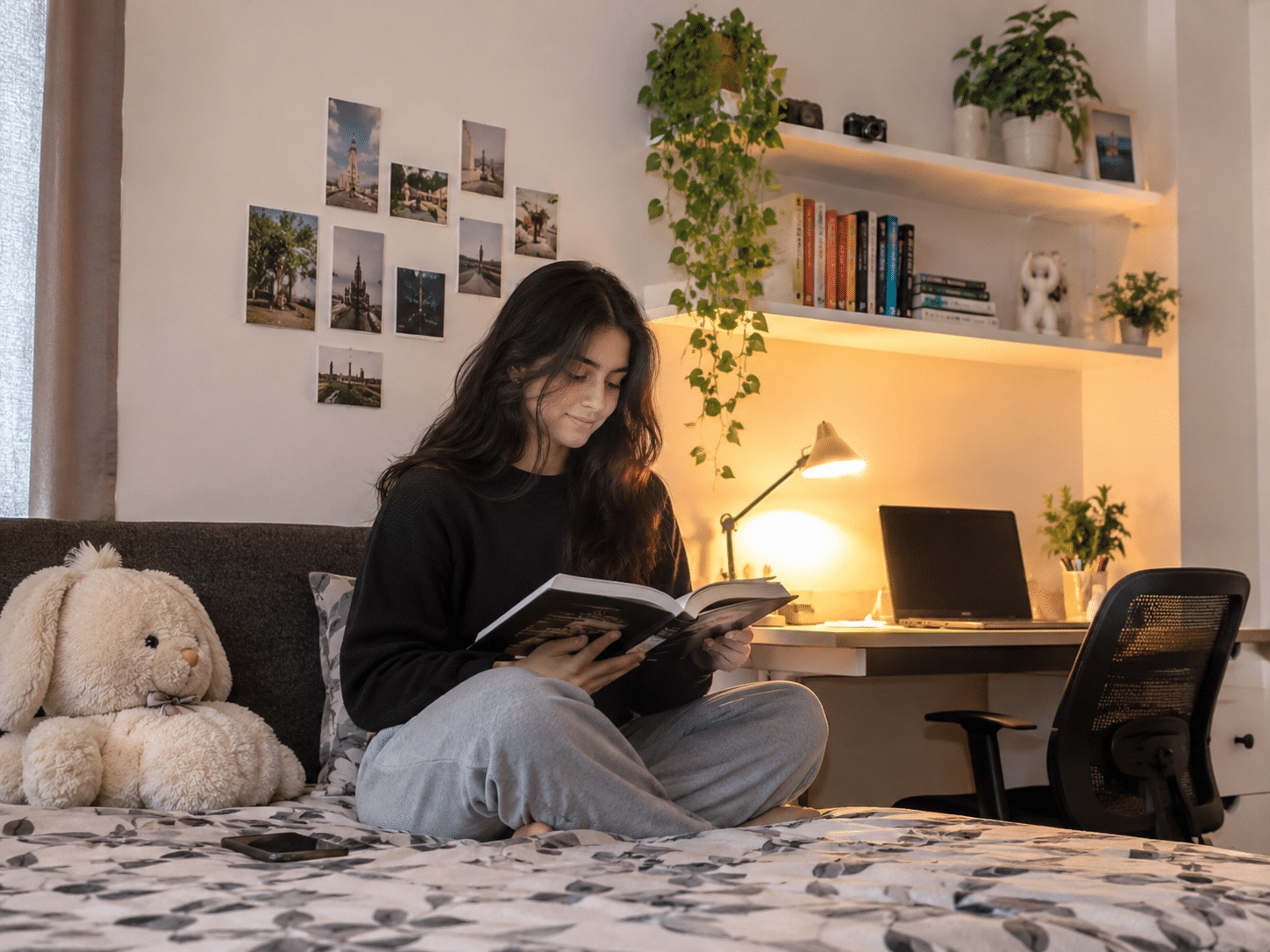
The environment around us plays an important role in shaping our thoughts, emotions and behaviour. Our brains constantly respond to the spaces we see, the colours we experience, the light we receive and the atmosphere around us. This is why entering certain rooms can make us feel relaxed and comfortable, while others may create stress, discomfort or a sense of uneasiness. Interior design is not just about making a space look attractive; it is also about creating an environment that supports our mental well-being and everyday lifestyle.
Some rooms naturally make people feel peaceful, positive and refreshed. Elements such as natural lighting, fresh air, balanced colours, comfortable furniture and proper space management can improve the overall experience. A well-designed room allows people to relax, concentrate and think creatively. Whether it is a hotel, office, home or educational institution, a welcoming atmosphere encourages people to spend more time comfortably. Such environments also help reduce unnecessary distractions and create a better balance between work and personal life.
In contrast, stressful rooms often lack proper lighting, ventilation, organisation and visual balance. Overcrowded furniture, dull colours, poor layouts and excessive noise can make people feel uncomfortable. When a space does not meet basic human needs, it can affect concentration, productivity and overall mood. Spending long hours in such environments may increase feelings of frustration and mental tiredness. These differences highlight how interior spaces can influence human experiences and daily activities.
Understanding these human needs has become an important part of modern interior design. Designers are increasingly studying human behaviour, psychology and lifestyle preferences to develop spaces that offer both functionality and comfort. They experiment with colours, textures, lighting, furniture arrangements and natural elements to create environments that improve the way people interact with their surroundings. Their objective is not simply to follow design trends but to understand what makes people feel comfortable and connected to a space.
Today, the demand for thoughtful interior design is growing across residential, commercial and hospitality sectors. Offices are introducing comfortable workspaces, hotels are focusing on peaceful atmospheres, and homes are adopting designs that encourage relaxation and creativity. These developments have also created new opportunities for aspiring interior designers who want to combine creativity with practical knowledge of human psychology.
At Krishna Institute of Design, understanding the relationship between people and their surroundings is an important part of developing creative design skills. Interior design goes beyond decoration; it is about understanding human needs and creating spaces that make everyday life more comfortable, productive and meaningful.
Ultimately, a well-designed room does more than improve the appearance of a space. It can influence how we feel, think, work and live. Great design begins when creativity meets human understanding.