First Impressions: How does design influence our lives?
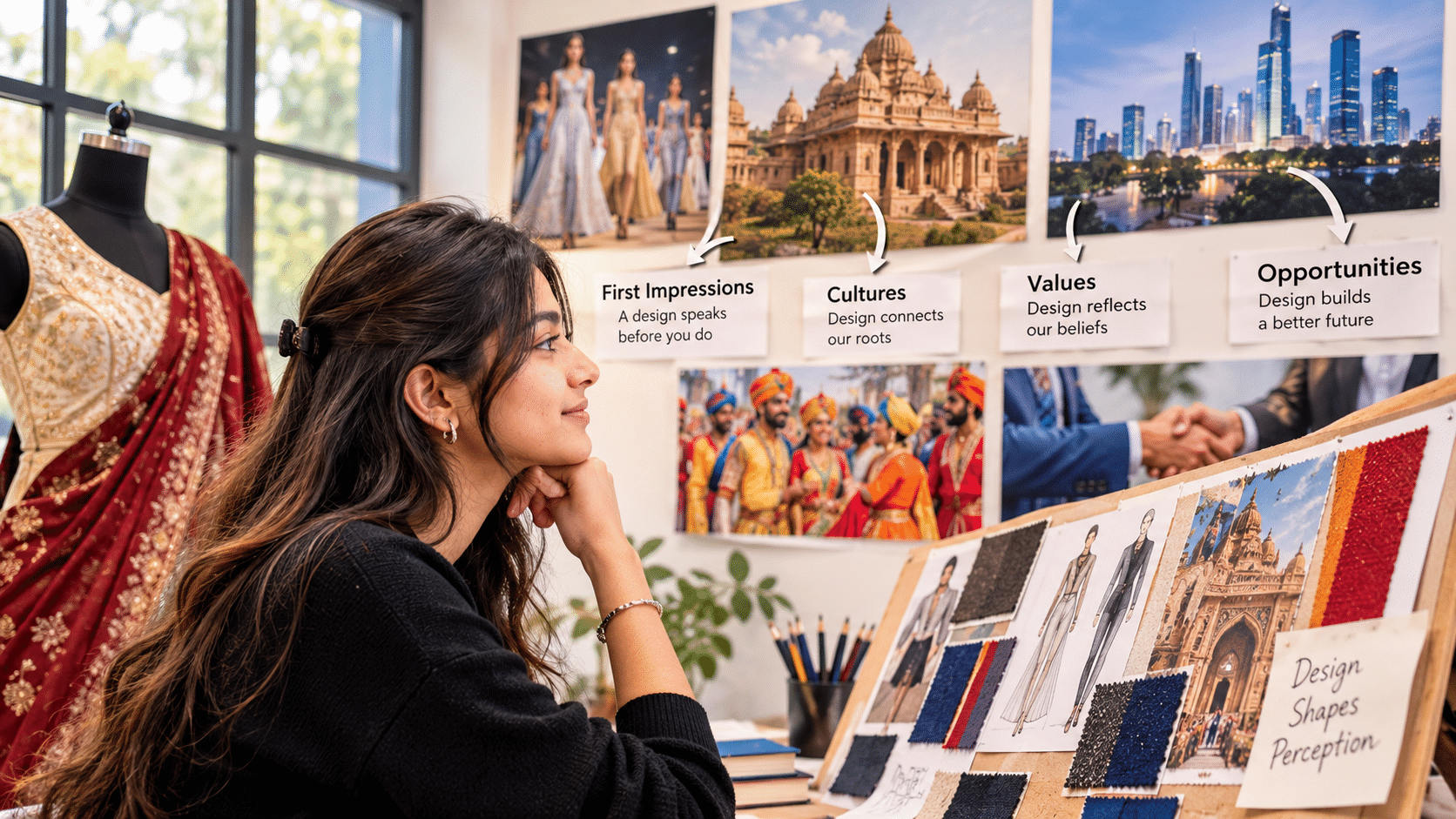
Design plays an essential role in creating first impressions and shaping how people perceive the world. From the clothes we wear and the spaces we live in to the brands we recognise and products we choose, design influences our everyday experiences. A thoughtful design goes beyond visual appeal; it expresses identity, builds recognition and leaves a lasting impression. Through unique styles, patterns, colours and creative ideas, individuals and organisations can establish their identities, communicate their values and stand out across different industries.
The influence of design has become even more important in modern society. Designs can shape our thoughts, perceptions, emotions and overall judgement. The colours, patterns and arrangements used in different creations can influence our moods and create positive experiences. For example, clothing designs often communicate a person’s personality, preferences and sense of style. Similarly, the design of a home can reflect the lifestyle, creativity and choices of the people living in it. Even businesses use distinctive designs to build brand recognition and establish credibility among customers.
Historically, design has always been connected to culture, traditions and social identity. In ancient India, clothing patterns, jewellery, architectural styles and traditional artwork reflected regional cultures, climatic conditions, family traditions and social backgrounds. People could often recognise cultural identities through specific designs, fabrics and patterns. These traditional approaches demonstrate that design has always been more than decoration; it has been a way of expressing identity, heritage and values.
Today, the importance of design extends across almost every industry. Whether it is fashion, interior design, architecture, graphic design, business, politics or public spaces, the right design approach can influence how people respond to something. In professional environments, appearance and presentation can create confidence and establish credibility. In businesses, attractive product designs and clear branding can influence purchasing decisions. Similarly, thoughtfully designed homes, offices and public spaces can improve people’s experiences and make everyday activities more comfortable.
Design also creates new opportunities by combining creativity with practical thinking. A unique product design can attract customers, a well-planned interior can improve the use of space, and an innovative fashion collection can establish a new identity in the industry. These developments show how creative ideas can add value, introduce new possibilities and transform existing systems. Good design is not simply about following trends; it is about understanding people’s needs and creating something meaningful.
First impressions often develop within a few moments, but their influence can last much longer. People notice the appearance, presentation and overall quality of things before understanding their deeper purpose. This makes design an important part of communication in everyday life. A thoughtful design can attract attention, build trust and encourage people to connect with a product, place or organisation.
Ultimately, design is a combination of creativity, identity, communication and functionality. It influences how we express ourselves, how others perceive us and how we experience our surroundings. A meaningful design does not just capture attention; it creates an impression that people remember.