VFX Course in Indore: Turn Digital Imagination into Visual Reality
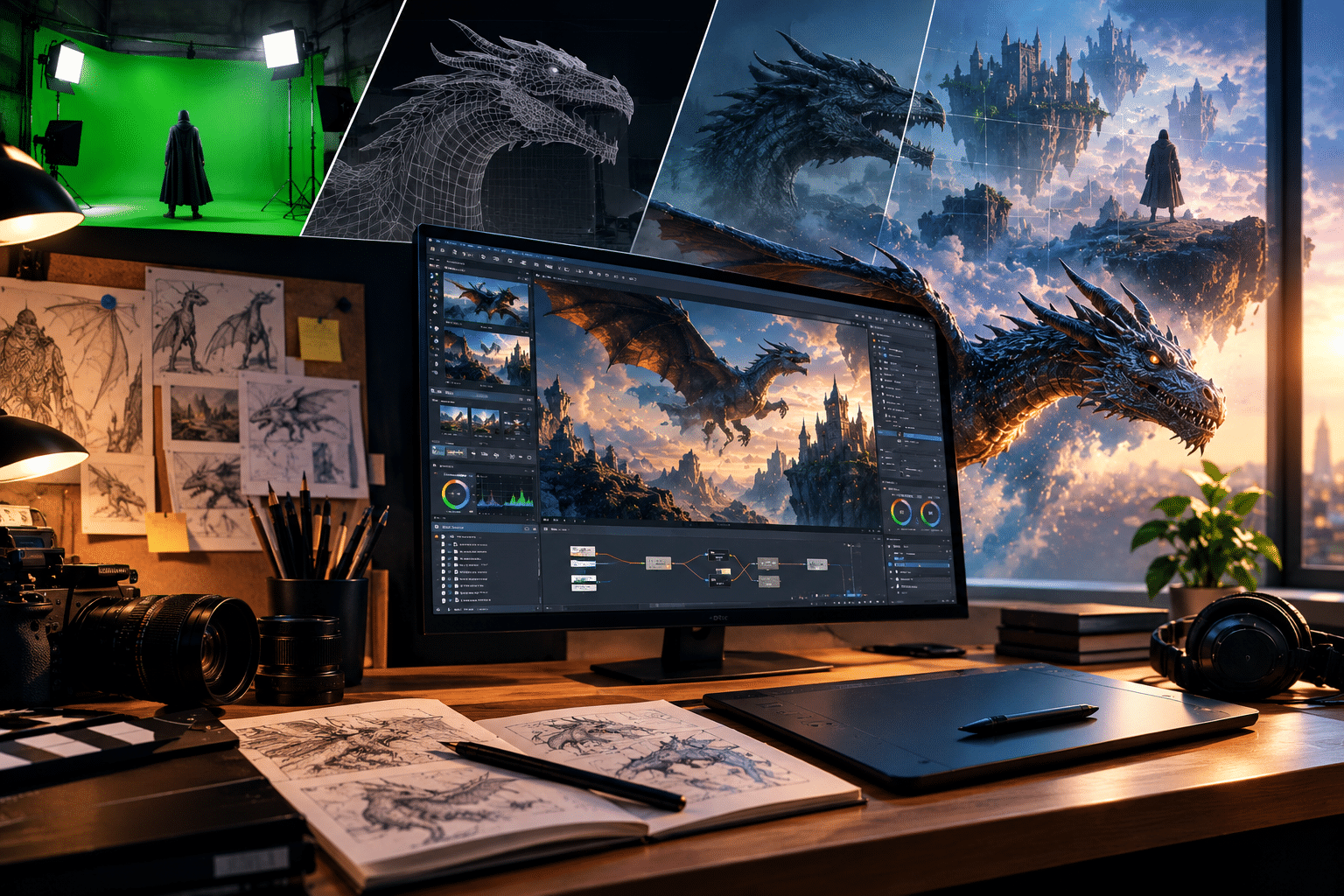
How does a filmmaker create a scene where a city disappears into the clouds, a dragon flies across the sky, or an ordinary person enters a completely imaginary world? The answer often lies in visual effects, commonly known as VFX.
VFX combines creativity and technology to create, enhance, or transform visuals that would be difficult to capture in real life. From blockbuster films and web series to advertisements, music videos, and digital content, visual effects help creators bring ambitious ideas to the screen.
For students interested in digital creativity, a VFX course in Indore can be a starting point for understanding how these effects are developed. However, learning VFX involves more than using software. It requires observation, technical practice, visual storytelling, and an understanding of how different elements work together.
What Is Visual Effects Design?
Visual effects involve creating or modifying images and footage during post-production. Artists may remove unwanted objects, replace backgrounds, combine live-action footage with computer-generated imagery, or add elements such as smoke, fire, weather, and digital environments.
Consider a scene featuring an actor standing in a futuristic city. The actor might be filmed separately, while the city is created digitally. A VFX artist combines these elements, adjusts the lighting and colours, and ensures that everything appears to belong in the same scene.
The goal is not simply to make an effect look impressive. It must also look believable and support the story.
What Skills Do You Need to Learn VFX?
A strong foundation in VFX includes both creative and technical skills. Students gradually learn how to analyse footage, understand visual composition, and use digital tools to produce convincing results.
Important learning areas may include:
- Compositing: Combining multiple images or video layers into one seamless shot.
- Rotoscoping: Separating people or objects from footage for further editing.
- Motion tracking: Matching digital elements to camera or object movement.
- Green-screen effects: Replacing a background with another environment.
- 3D modelling: Creating digital objects, characters, and environments.
- Lighting and rendering: Helping computer-generated elements match the scene.
- Colour correction: Adjusting colour and brightness to create visual consistency.
The exact subjects depend on the course curriculum. Therefore, students should review the programme details before enrolling.
Which Software Is Used in VFX?
VFX artists use different applications depending on the work they want to create.
Adobe After Effects is commonly used for motion graphics, compositing, tracking, and video effects. Autodesk Maya supports 3D modelling, animation, simulations, and digital scene creation. Other tools may be used for specialised compositing, editing, 3D workflows, and visual production.
However, software alone does not make someone a skilled artist. Understanding perspective, lighting, timing, colour, and composition is equally important.
For example, adding a digital object to a video will not look convincing if its shadows, scale, or movement do not match the original footage. Learning to recognise and correct these details is an essential part of VFX practice.
Why Practical Projects Matter
VFX becomes easier to understand when students apply what they learn to real creative tasks. A beginner might start by removing a background, adding an object to a scene, or combining two clips.
As skills develop, projects can become more complex. Students may experiment with motion tracking, digital environments, particles, or 3D elements.
These exercises encourage experimentation and problem-solving. They also help learners understand that a successful effect often requires several rounds of adjustments rather than one quick edit.
At KID – Krishna Institute of Design, Indore, students can explore creative projects, receive guidance, and work towards developing a portfolio. Prospective students should confirm the current VFX curriculum, software training, facilities, and practical project opportunities directly with the institute.
Career Opportunities After a VFX Course
VFX skills can be applied across several areas of digital production. Depending on their interests, technical abilities, and experience, students may explore roles such as:
- VFX artist
- Compositing artist
- Rotoscoping artist
- Motion graphics designer
- 3D modelling artist
- Lighting and rendering artist
- Junior post-production artist
These professionals may work with film and television production teams, post-production studios, advertising agencies, animation companies, or digital content creators.
Nevertheless, career opportunities vary. Completing a course does not guarantee a job, and different roles require different levels of expertise. Building practical experience and developing a strong portfolio can help students demonstrate their abilities to potential employers.
How to Choose the Right VFX Course in Indore
Before selecting a programme, look beyond the course name. The learning experience matters just as much as the subjects being taught.
Check whether the course includes hands-on software practice, guided assignments, compositing exercises, and opportunities to complete original projects. Ask about faculty guidance, computer facilities, course duration, and the support available for portfolio development.
It is also worth asking about career guidance and placement assistance. Understand exactly what these services include rather than relying only on general placement claims.
A good learning environment should encourage students to ask questions, test different approaches, learn from mistakes, and improve their work through feedback.
Build Your Future One Effect at a Time
Visual effects can transform ordinary footage into something extraordinary. Yet behind every convincing digital scene are careful decisions, technical knowledge, patience, and creative thinking.
Exploring a VFX course in Indore can help students begin developing these abilities and discover which areas of visual effects interest them most. Start with the fundamentals, practise regularly, and keep examples of your strongest work as your portfolio grows.
Ultimately, VFX is not just about creating spectacular explosions or imaginary worlds. It is about making digital visuals feel convincing, communicating ideas effectively, and using technology to expand what storytelling can achieve.
If you enjoy combining imagination with technology, visual effects may offer an exciting direction for your creative learning journey.