Is Jewellery Design Your Creative Calling? Explore the Possibilities in Indore
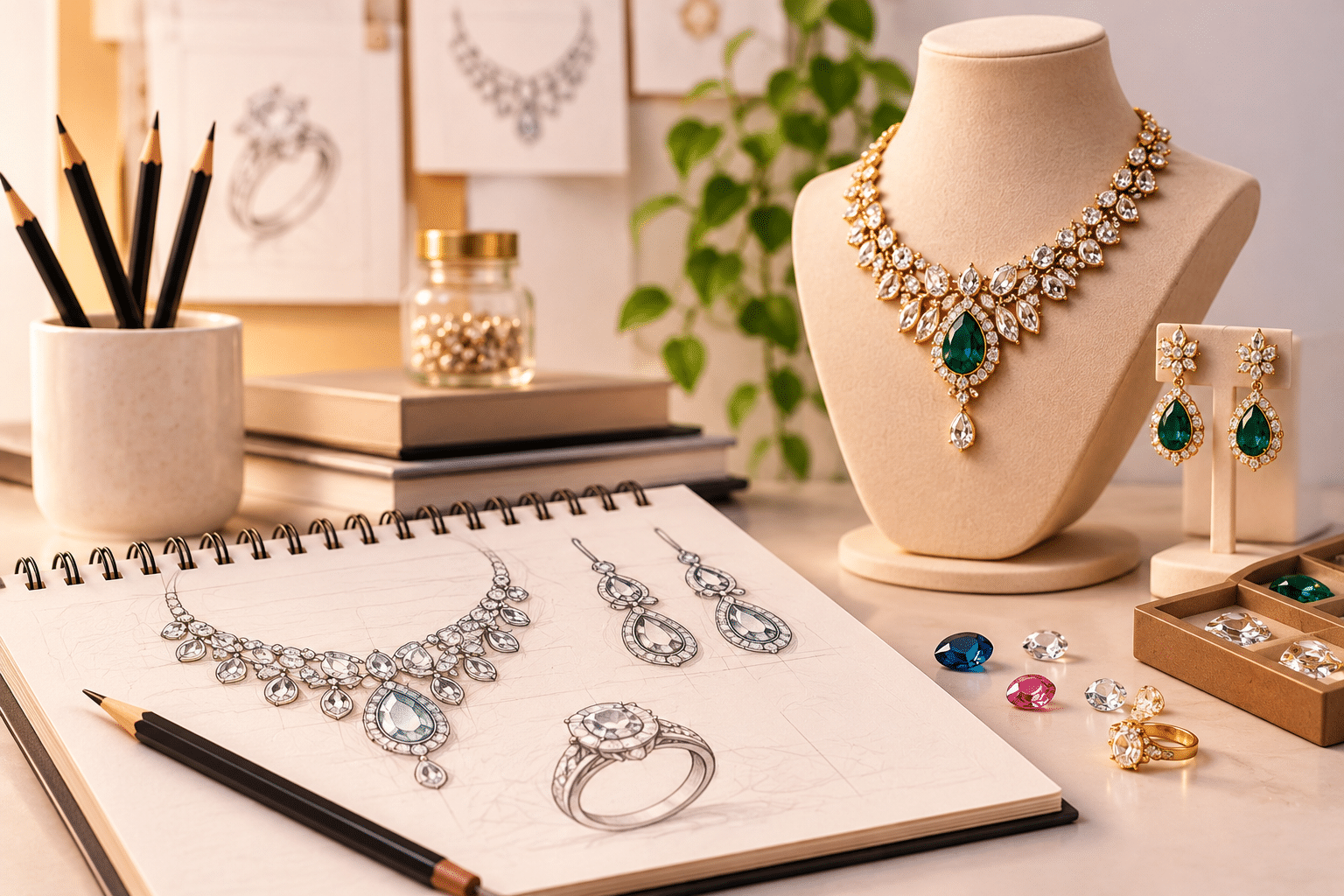
Have you ever looked at a beautiful necklace, an elegant ring, or a uniquely crafted pair of earrings and wondered how it was designed? Behind every jewellery piece is a creative process that combines imagination, artistic thinking, materials, and craftsmanship.
Jewellery is no longer limited to traditional ornaments. Modern designers are experimenting with unusual shapes, contemporary styles, colourful gemstones, personalised accessories, and innovative materials. As the industry continues to evolve, jewellery design is becoming an interesting creative field for people who enjoy art, fashion, and detailed craftsmanship.
If you love exploring new ideas and enjoy working with designs, a jewellery design course in Indore could be a starting point for exploring this creative direction.
What Makes Jewellery Design an Interesting Creative Field?
Jewellery design is the art of creating decorative pieces such as rings, necklaces, bracelets, earrings, and other accessories. It involves much more than selecting attractive stones or metals.
A designer needs to think about the shape, proportions, appearance, comfort, material selection, and overall purpose of a piece.
For example, designing a statement necklace requires a different approach from creating a simple everyday ring. Each design has its own requirements, and the designer must balance visual appeal with practical considerations.
This combination of creativity and technical understanding makes jewellery design an exciting area to explore.
1. From Simple Sketches to Beautiful Jewellery Pieces
Every jewellery design begins with an idea. Before a piece takes its final form, designers often explore different concepts through rough sketches and drawings.
These sketches help them understand proportions, patterns, shapes, and decorative details. They can experiment with different arrangements before deciding on a final concept.
Some common steps in the creative process include:
- Collecting inspiration and developing a design concept.
- Creating rough sketches and detailed drawings.
- Exploring suitable metals, gemstones, and other materials.
- Refining the design and considering its practical construction.
- Developing a final presentation or prototype.
For students, learning this process helps turn imagination into a clear and workable design.
2. Modern Jewellery Trends Are Expanding Creative Possibilities
The jewellery industry is constantly changing as designers explore new styles and customer preferences.
Some interesting directions include:
Minimalist jewellery: Simple rings, delicate necklaces, and clean shapes are popular choices for people who prefer understated accessories.
Personalised jewellery: Initials, meaningful symbols, customised designs, and birthstone details allow jewellery to express individual identity.
Statement pieces: Bold earrings, sculptural necklaces, and unusual forms create strong visual impact.
Nature-inspired designs: Leaves, flowers, organic shapes, and natural textures provide inspiration for creative collections.
Contemporary traditional jewellery: Designers are combining traditional Indian motifs and craftsmanship with modern silhouettes and styling.
These trends give aspiring designers many opportunities to explore their own creative approach.
3. Skills Every Aspiring Jewellery Designer Should Develop
A successful design concept requires both imagination and practical understanding. Students interested in jewellery design can begin by developing several important skills.
Drawing and sketching: Helps communicate design ideas clearly and explore different shapes and arrangements.
Colour understanding: Useful when selecting gemstones, metals, and combinations that work visually.
Material knowledge: Understanding the characteristics of metals, stones, and other materials supports better design decisions.
Attention to detail: Small details can influence the appearance, comfort, and overall quality of jewellery.
Creative thinking: Helps designers develop fresh concepts instead of repeating familiar patterns.
Digital design awareness: Learning suitable digital design tools can help students explore and present jewellery concepts more effectively.
These skills develop through regular practice, experimentation, and feedback.
4. How Technology Is Changing Jewellery Design
Technology has introduced new possibilities into the jewellery design process. Designers can now use digital tools to develop detailed concepts, explore proportions, and present designs before physical production.
Computer-aided design (CAD) software is particularly useful for creating three-dimensional jewellery models. It allows designers to view a piece from different angles and make adjustments to its structure.
Some jewellery production processes also use 3D printing to create models or prototypes.
However, technology does not replace artistic understanding. A designer still needs creativity, knowledge of materials, and an understanding of how a jewellery piece should look and function.
Combining traditional craftsmanship with digital tools can make the design process more versatile.
5. What Career Opportunities Can Jewellery Design Offer?
Jewellery design can lead to different creative directions depending on a person’s interests, training, and practical experience.
Some possible areas to explore include:
- Jewellery designer: Creating concepts for rings, necklaces, earrings, and other accessories.
- CAD jewellery designer: Developing digital jewellery models using specialised software.
- Jewellery illustrator: Preparing sketches and visual presentations of jewellery concepts.
- Custom jewellery creator: Exploring personalised designs based on individual requirements.
- Jewellery entrepreneur: Developing an independent jewellery brand or creative business.
- Product and accessory designer: Applying design skills to a wider range of fashion accessories.
Career paths can vary depending on the skills developed, industry experience, and opportunities available.
6. How to Choose a Jewellery Design Course in Indore
Choosing the right course is an important step for anyone planning to explore this creative field. Before making a decision, students should understand what the programme teaches and how it supports practical learning.
Consider the following points:
Course content: Check whether the programme covers sketching, design principles, materials, and relevant digital tools.
Practical exposure: Look for opportunities to practise design concepts and work on projects.
Faculty guidance: Learning with guidance and constructive feedback can help improve creative and technical skills.
Portfolio development: A collection of well-presented projects can help demonstrate your design abilities.
Learning environment: Explore whether the course matches your interests, learning goals, and future plans.
Students searching for a jewellery design course in Indore should compare these aspects carefully rather than making a decision based only on the course title.
Begin Your Creative Journey with the Right Direction
Jewellery design offers an opportunity to bring imagination and craftsmanship together. It encourages students to observe details, experiment with materials, understand visual balance, and develop original ideas.
At Krishna Institute of Design (KID), Indore, students exploring creative design fields can develop their understanding through learning, creative exploration, and practical project work. Those interested in jewellery design can enquire about the relevant programme, course structure, and learning opportunities to understand whether it matches their goals.
Conclusion
Is jewellery design your creative calling? If you enjoy drawing, exploring patterns, experimenting with materials, and creating beautiful objects, this field may be worth exploring.
From traditional ornaments to contemporary accessories, jewellery design offers many ways to express creativity. With consistent practice, technical learning, and a willingness to experiment, you can begin developing your own design perspective.
Every beautiful jewellery piece starts with an idea. Your creative journey could begin with one sketch.