Indian Traditional Art in Fashion: How Heritage Inspires Modern Design
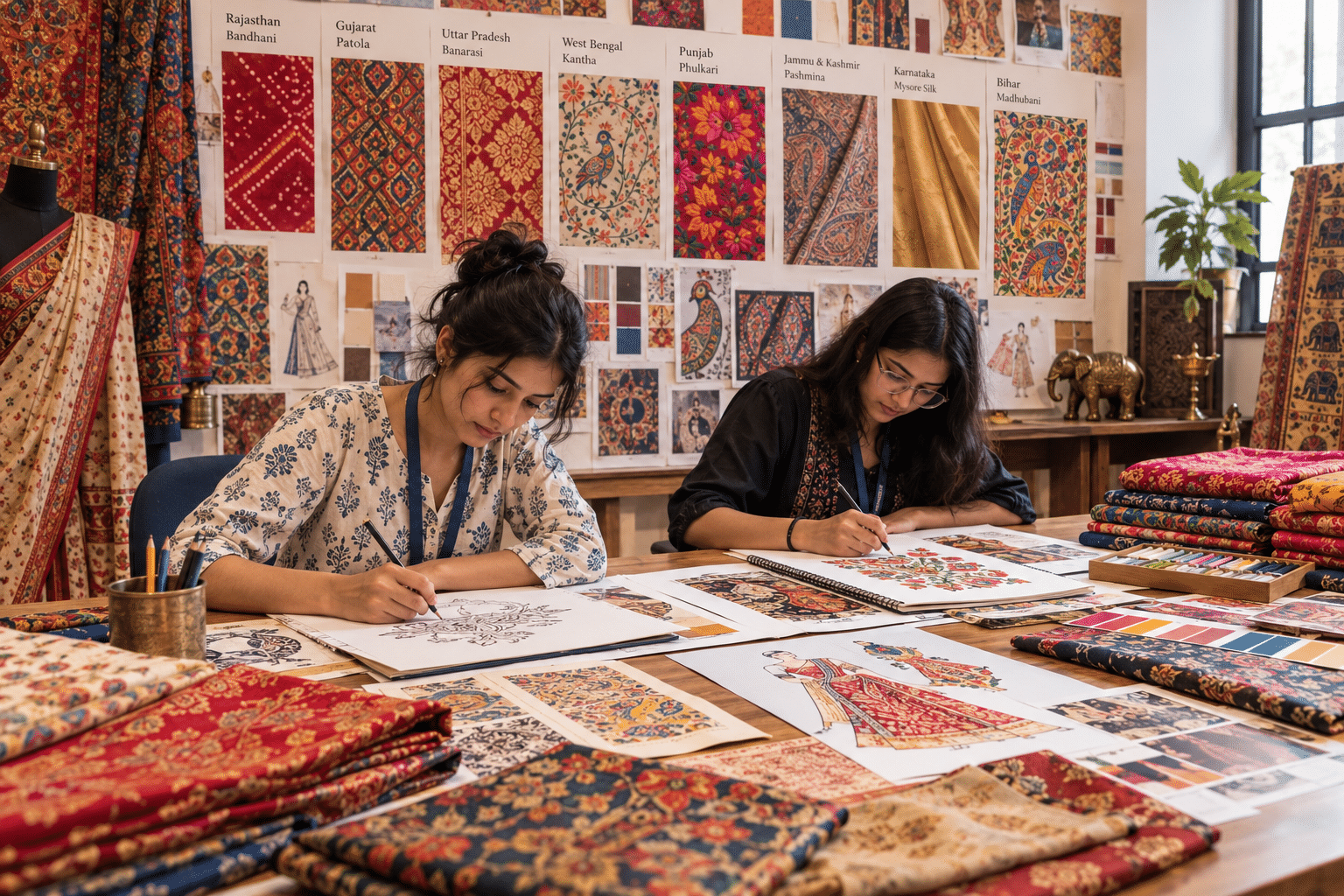
Indian traditional art in fashion is more than a passing trend. It connects centuries of craftsmanship with the creativity of modern designers. From colourful embroidery to luxurious silk fabrics, India’s artistic heritage continues to shape clothing, accessories, jewellery, and interior design.
In the past, traditional art forms often served everyday, regional, or ceremonial needs. Today, designers are finding new ways to use these techniques. As a result, traditional patterns and handcrafted details are becoming an important part of contemporary fashion.
From Traditional Craftsmanship to Modern Fashion
Indian textiles have a long history of international trade and influence. For centuries, Indian cotton, silk, printed fabrics, and embroidered textiles attracted buyers from different parts of the world.
Today, designers continue to explore this rich textile heritage. They combine traditional techniques with modern cuts, fresh colours, and innovative materials.
However, the appeal of Indian art goes beyond appearance. Many traditional patterns reflect local beliefs, nature, historical events, and community traditions. Each design can tell a story about the people and places behind it.
For example, designers can transform an embroidered traditional garment into a contemporary jacket. Similarly, they can use heritage fabrics to create dresses, handbags, scarves, and statement accessories.
This approach allows traditional craftsmanship to remain relevant while giving designers room to experiment.
Regional Indian Art Forms That Inspire Fashion
India’s fashion heritage is incredibly diverse. Each region has its own textiles, patterns, embroidery styles, and artistic traditions. Here are seven examples that continue to inspire creative design.
1. Assam – Muga Silk
Muga silk is known for its natural golden sheen and durability. Artisans use this distinctive fabric in traditional clothing and premium garments. Its rich appearance also makes it suitable for contemporary ethnic and occasion wear.
2. Uttar Pradesh – Banarasi Brocade
Banarasi brocade is famous for its intricate zari work and luxurious silk fabric. Designers often use it for bridal sarees, lehengas, and festive outfits.
Today, its detailed patterns also inspire modern jackets, gowns, and fashion accessories.
3. West Bengal – Kantha Embroidery
Kantha embroidery uses simple running stitches to create detailed patterns. Traditionally, these stitches helped turn old fabrics into useful textiles.
Now, designers use Kantha-inspired work on dresses, jackets, scarves, and other contemporary pieces. Its handmade appearance adds character to modern collections.
4. Punjab – Phulkari
Phulkari is recognised for its colourful floral embroidery. Traditionally associated with Punjabi clothing and celebrations, it remains a popular source of design inspiration.
For example, designers incorporate Phulkari patterns into dupattas, jackets, festive outfits, and bags. These details bring colour and cultural identity to contemporary fashion.
5. Jammu and Kashmir – Pashmina and Traditional Embroidery
Kashmir has a rich heritage of fine Pashmina weaving and decorative embroidery. These crafts inspire elegant shawls, scarves, winter clothing, and luxury accessories.
Their appeal lies in the quality of the materials and the skill required to create them.
6. Karnataka – Mysore Silk
Mysore silk is valued for its smooth texture and rich appearance. It has a strong place in traditional sarees and formal ethnic wear.
At the same time, its elegant finish makes it suitable for modern occasion wear and contemporary clothing designs.
7. Bihar – Madhubani Art
Madhubani art features intricate lines, vibrant colours, and motifs inspired by nature and cultural traditions.
Although traditionally associated with painting, its visual style also inspires fabric prints, fashion illustrations, accessories, and decorative pieces. Designers can adapt these motifs to create distinctive collections.
These examples represent only a small part of India’s artistic diversity. Many communities continue to preserve traditional weaving, dyeing, printing, painting, and embroidery techniques.
How Indian Art Influences Global Fashion
Indian traditional art now reaches far beyond ethnic clothing. Designers use traditional motifs in modern prints and incorporate handcrafted details into contemporary collections.
For instance, an Indian-inspired pattern can become part of a modern dress or handbag. Similarly, traditional embroidery can add texture and individuality to a simple outfit.
International fashion houses have also explored Indian textiles, embroidery, and silhouettes. Meanwhile, Indian designers continue to introduce heritage-inspired collections to wider audiences.
This growing interest can create opportunities for artisans, textile producers, independent designers, and small businesses. By presenting traditional crafts in fresh ways, they can connect with customers who appreciate both design and cultural stories.
Traditional Art and the Future of Sustainable Fashion
Traditional craftsmanship also offers useful lessons for sustainable fashion.
Handloom weaving, careful material selection, and handmade techniques encourage people to value quality and skill. In addition, repairing garments and choosing durable textiles can help reduce unnecessary waste.
Supporting local artisans also helps preserve traditional knowledge. It can create livelihood opportunities and strengthen regional creative communities.
However, designers must approach heritage with care. They should learn about the origins of an art form, respect the communities that preserve it, and understand its cultural meaning.
The goal is not simply to copy an old pattern. Instead, designers can use research and creative thinking to develop new ideas while respecting the original craft.
How Fashion Students Can Learn From Indian Heritage
For aspiring designers, traditional art provides a valuable starting point for creative exploration.
Students can study regional textiles, sketch traditional motifs, experiment with colour combinations, and explore how different fabrics behave. They can also develop contemporary designs inspired by embroidery, weaving, and printing techniques.
A structured fashion design course can provide opportunities to practise these skills through projects, feedback, and portfolio development.
At KID – Krishna Institute of Design, students can explore creative ideas and develop their design abilities through practical learning and guidance. Studying heritage-inspired design can also help them understand how research, craftsmanship, and innovation work together.
Most importantly, students can learn to create original designs rather than simply reproduce existing patterns.
Conclusion: Keeping India’s Artistic Heritage Alive
Indian traditional art continues to connect the past with the future of fashion. From Banarasi brocade and Phulkari embroidery to Muga silk and Madhubani art, each tradition offers a distinct source of inspiration.
As fashion evolves, designers can keep these art forms relevant through thoughtful experimentation and modern styling. They can also help preserve traditional skills by recognising the artisans and communities behind them.
Ultimately, Indian heritage is not just a part of fashion history. It remains a valuable source of creativity, cultural identity, and inspiration for the next generation of designers.