Fashion, Culture & Economic Growth.
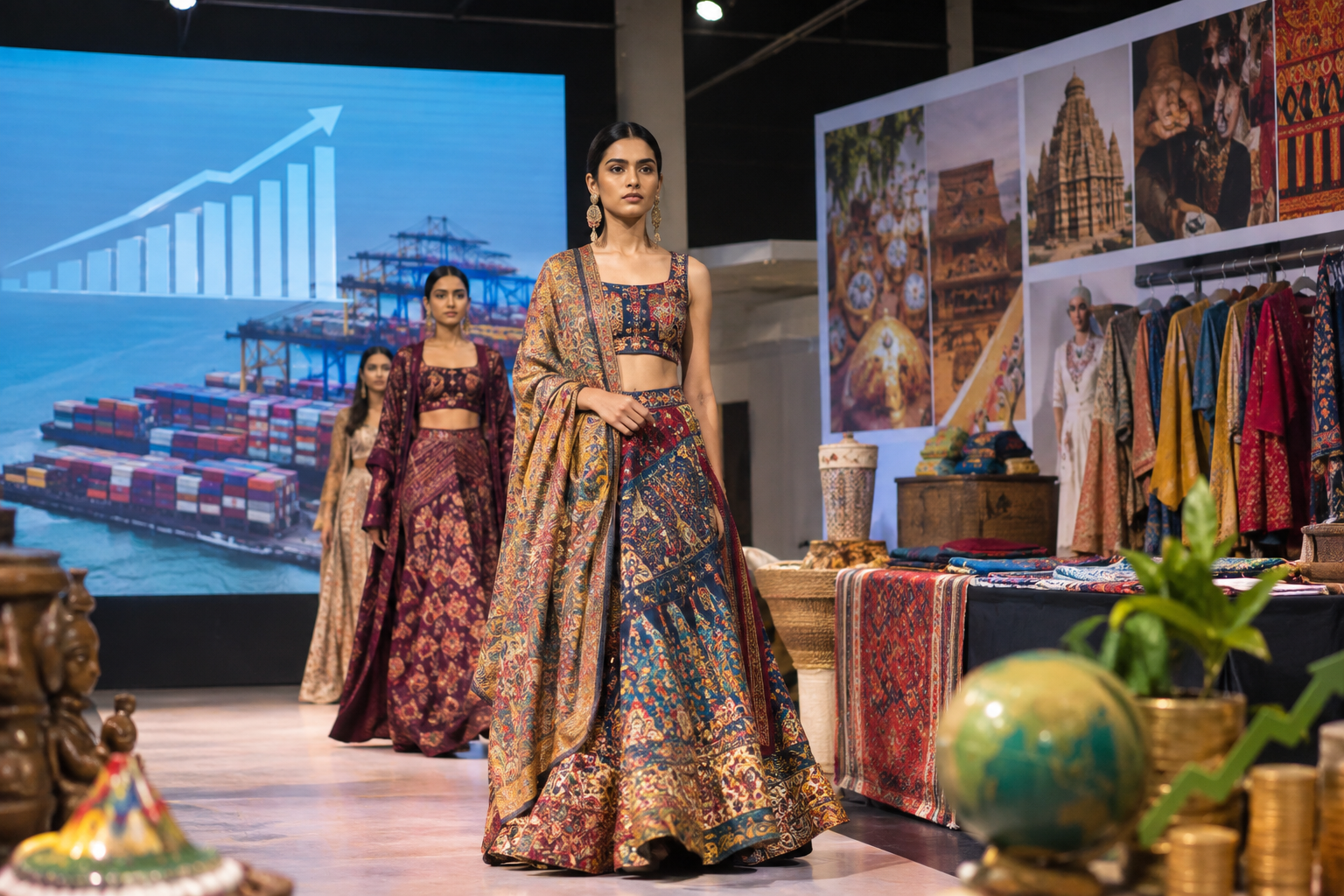
How Cultures have made fashion Industry into wealth generation ?
In the modernised world, time is constantly changing, and society continues to evolve according to changing needs, lifestyles, technologies, and aspirations. Fashion is one of the clearest reflections of this transformation. Every generation develops its own sense of fashion, identity, and style, often influenced by its cultural heritage, local traditions, social environment, and historical values. From African communities to the European Union, from Asian countries to South American nations, every region has contributed unique forms of clothing, art, textiles, craftsmanship, and aesthetics to the global fashion landscape.
Fashion is not simply about clothes or appearance. It is deeply connected with culture, identity, history, and human expression. Many traditional forms of knowledge that once existed within local communities have gradually found their way into modern fashion. Designers, fashion companies, institutions, and international markets have adopted traditional techniques, patterns, embroidery, textiles, and silhouettes and transformed them into contemporary fashion products. As a result, cultural knowledge that was once passed from one generation to another has become part of a much larger global industry.
India is an excellent example of the relationship between fashion and culture. The country is a powerhouse of colourful traditions, textiles, handicrafts, embroidery, jewellery, and regional clothing. Every state and community has its own distinctive attire and artistic traditions. During India’s Republic Day celebrations and other cultural events, one can observe a wide variety of traditional costumes representing different parts of the country. Sarees, lehengas, salwar suits, dhotis, shawls, turbans, and numerous regional garments represent India’s enormous cultural diversity. Several traditional handicrafts and art forms have also received Geographical Indication (GI) recognition, helping establish their regional identity and protecting their cultural and commercial significance.
Across the world, similar processes can be observed. Cultural festivals, religious celebrations, traditional ceremonies, music, dance, and community rituals often influence fashion. Clothing that was originally designed for a particular cultural or practical purpose can eventually become a source of inspiration for contemporary designers. Patterns, colours, fabrics, accessories, and traditional methods of production are frequently reinterpreted for modern consumers. In this way, what was once considered purely cultural attire can gradually become recognised as fashion.
This transformation also demonstrates how culture can become an engine for economic growth. Traditional craftsmanship creates employment for artisans, weavers, designers, manufacturers, retailers, photographers, stylists, and many other professionals. When traditional products reach national and international markets, local communities can gain new economic opportunities. Fashion therefore creates a connection between heritage and modern commerce. It can preserve traditional knowledge while simultaneously creating new markets for it.
The development of fashion has also been closely connected with changing patterns of consumption. In earlier generations, people generally owned fewer clothes and purchased garments primarily for necessity, durability, and important occasions. With rising incomes, urbanisation, changing lifestyles, globalisation, and the expansion of retail markets, clothing has increasingly become associated with self-expression and personal identity. People now have different outfits for work, education, travel, festivals, social gatherings, exercise, and entertainment. Fashion has therefore moved beyond basic necessity and become an important part of everyday lifestyle.
The growth of the population has further increased demand for clothing and fashion-related products. As societies become larger and more connected, the market for apparel, footwear, accessories, cosmetics, and luxury products also expands. Technology and e-commerce have accelerated this development by allowing consumers to discover and purchase fashion from different parts of the world. Social media has added another dimension, enabling trends to spread rapidly across geographical boundaries. A style that begins in one city or cultural community can become an international trend within a short period.
Cinema and popular culture have played an especially important role in this transformation. In India, Bollywood has had a significant influence on clothing and personal style for decades. Film stars and popular personalities often influence the way people dress, style their hair, choose accessories, and present themselves. Costumes from successful films can become popular among audiences, while celebrity fashion can influence wedding clothing, festive wear, casual fashion, and even everyday grooming. Internationally, music videos, television, streaming platforms, celebrities, and digital creators have similarly contributed to the rapid circulation of fashion trends.
The fashion industry has consequently become an important economic sector for many countries. It supports a large network that includes agriculture, textile production, manufacturing, logistics, advertising, retail, entertainment, technology, and tourism. Fashion weeks, exhibitions, cultural festivals, craft markets, and international trade events bring together designers, businesses, artisans, buyers, and consumers. This creates opportunities for both established companies and emerging creative entrepreneurs.
At the same time, fashion influences society psychologically as well as physically. Clothing can affect how individuals express themselves and how they perceive their own identity. Young people, in particular, often use fashion as a means of communicating personality, creativity, belonging, and individuality. The clothes worn at school, college, the workplace, social events, or public spaces can contribute to a person’s sense of confidence and presentation. Grooming and personal appearance have consequently become important elements of modern lifestyle.
However, the growth of fashion also brings responsibilities. The industry must consider sustainability, ethical production, fair wages, waste reduction, and the preservation of cultural knowledge. As consumers become more aware of environmental and social issues, fashion companies are increasingly expected to create products responsibly. The future of fashion will therefore depend not only on creativity and commercial success but also on how effectively the industry balances innovation with cultural preservation and environmental responsibility.
Ultimately, fashion represents a fascinating journey from tradition to modernity. What was once a cultural practice can become a contemporary design; what was once local can become global; and what was once created primarily for necessity can become a form of identity and economic opportunity. Fashion connects psychology with lifestyle, culture with creativity, design with technology, and heritage with economic growth. It has become much more than an industry—it is a reflection of how societies change, remember their past, express their present, and imagine their future.