More Than a Runway: What It Really Takes to Build a Career in Fashion Modeling
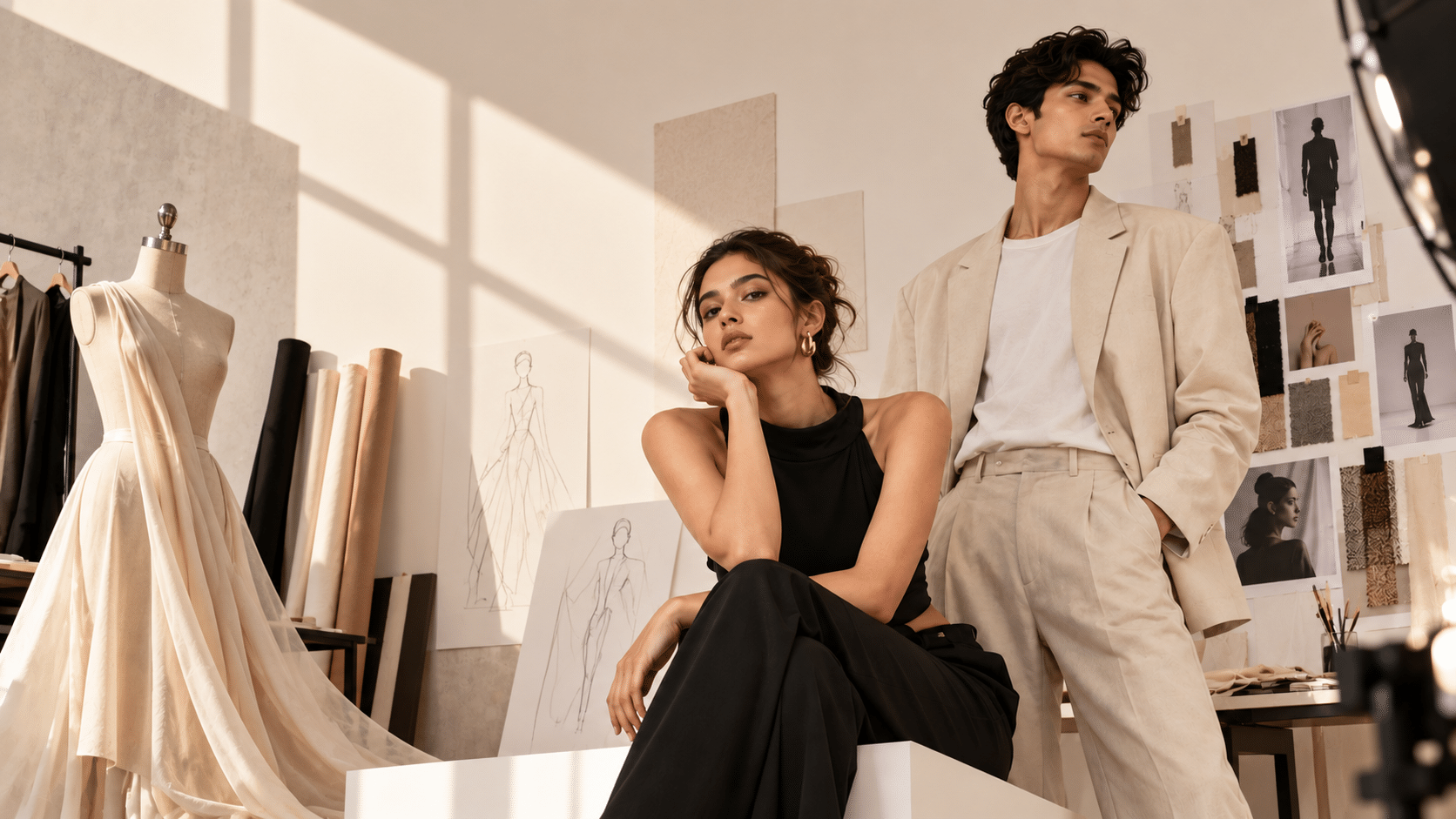
Fashion modeling may look effortless from the outside. A model walks into a room, wears a carefully styled outfit, poses for a camera, and creates an image that looks natural.
But behind that moment is preparation.
Posture, confidence, expressions, movement, grooming, styling, communication, and the ability to understand a creative direction all contribute to strong modeling. For students who are interested in fashion and enjoy being part of visual storytelling, a diploma in fashion modeling can provide a structured way to explore these skills.
Modeling Is Not Just About Appearance
One of the biggest misconceptions about modeling is that appearance is everything.
In reality, modeling is also about presentation.
A model needs to understand how to carry themselves, respond to direction, work with different outfits, and communicate a particular mood. Even a small change in posture or expression can completely change the way a photograph feels.
This is why learning and practice matter.
Instead of simply trying to look good in front of a camera, aspiring models can learn how to become more aware of their body language and presentation.
Confidence Can Be Developed
Not everyone feels comfortable in front of a camera when they begin.
Some people become nervous about their expressions. Others may not know what to do with their hands or how to stand naturally. These challenges are common when learning something new.
The good news is that confidence can grow through practice.
Repeatedly working on poses, walking, expressions, and presentation can make these actions feel more natural. Feedback can also help students understand what they are doing well and what they can improve.
A diploma in fashion modeling can provide students with opportunities to practise these skills in a structured learning environment.
Learn to Understand Fashion
A model is an important part of a fashion presentation.
Therefore, understanding clothing can make a difference.
Different outfits require different approaches. A flowing dress may need movement that highlights its shape. A structured outfit may require stronger posture. Traditional clothing may be presented differently from contemporary fashion.
Learning to notice these details can help a model work more effectively with designers, photographers, stylists, and creative teams.
Fashion modeling becomes more interesting when you begin to understand the story behind the clothes rather than simply wearing them.
The Camera Sees More Than You Think
A camera can capture details that may not be obvious while posing.
Posture, facial expressions, hand placement, angles, and movement can all affect the final photograph. This is why models often need to try several variations before finding the strongest pose.
Students can learn by experimenting.
Try the same outfit with different expressions. Change your posture. Move slightly. Look in another direction. Review the result.
These small experiments can teach you how visual presentation works.
Runway Skills Require Practice
Walking on a runway may look simple, but a confident walk involves balance, posture, pace, eye direction, and body control.
A model also needs to understand how to enter, walk, turn, and exit while maintaining the right attitude for the collection.
Practice helps make these movements more comfortable.
Over time, students can become more aware of their walking style and learn how to adapt it to different fashion concepts.
Build Your Personal Presentation
Fashion modeling is not about copying everyone else.
Every model has different strengths.
Some may naturally enjoy editorial shoots. Others may feel more comfortable with runway presentations, commercial fashion, lifestyle photography, or creative campaigns.
Exploring different forms of modeling can help students understand what suits them.
A good learning experience should therefore give students opportunities to experiment instead of expecting everyone to follow exactly the same approach.
Practical Experience Makes Learning Different
Reading about modeling can introduce basic concepts, but practical experience helps students understand how those concepts work.
At KID – Krishna Institute of Design, students can explore creative learning through practical exposure, guidance, experimentation, and portfolio development.
Working on projects can help students become more comfortable with cameras, styling concepts, presentation, and creative direction.
It can also teach them how to receive feedback and make improvements, which is an important part of developing professionally.
Your Portfolio Is Your Visual Introduction
A portfolio can become one of the most useful tools for an aspiring model.
It gives people an opportunity to see your presentation rather than simply hear you describe your abilities.
A developing portfolio may include different outfits, poses, expressions, styling concepts, and types of photography. The goal is not necessarily to include every photograph.
Instead, select work that represents your strengths and shows versatility.
As your skills improve, your portfolio can improve with you.
Grooming and Communication Matter Too
Modeling involves more than photographs and runway walks.
Professional behaviour is also important.
Being punctual, listening carefully, communicating clearly, taking direction, and maintaining a positive attitude can make a difference when working with a creative team.
Grooming can also contribute to professional presentation. Understanding basic skincare, hair presentation, styling, and overall appearance can help models prepare appropriately for different assignments.
These habits can become part of a model’s professional discipline.
Learn to Handle Feedback
Creative industries involve feedback.
A photographer may ask you to change your expression. A stylist may suggest a different pose. A designer may want the outfit presented in another way.
Instead of taking every correction personally, aspiring models can learn to treat feedback as part of the process.
The ability to listen, adapt, and try again can become one of the most valuable skills you develop.
Where Can Fashion Modeling Take You?
Fashion modeling can connect with several creative areas.
Depending on their interests and experience, students may explore runway modeling, fashion photography, commercial modeling, editorial work, promotional campaigns, styling-related projects, or other visual roles within the fashion industry.
Some may also discover interests outside modeling, such as fashion styling, photography, fashion communication, or other creative fields.
The skills developed through modeling can therefore extend beyond one specific role.
Start Building Your Skills Before You Feel Ready
You do not need to become completely confident before you begin learning.
Confidence often comes after practice, not before it.
Start by improving your posture. Experiment with expressions. Learn how to walk comfortably. Understand different fashion styles. Practise responding to direction. Take photographs and review your presentation.
Most importantly, keep learning.
A diploma in fashion modeling can give students a focused environment to develop these abilities while exploring the relationship between fashion, presentation, and visual communication.
The runway may be the part everyone sees.
But behind every confident walk is practice, preparation, discipline, and a willingness to keep improving.
And that is where a modeling journey really begins.