The Art of Standing Out: How Creativity Makes You Different in a World of Similarity
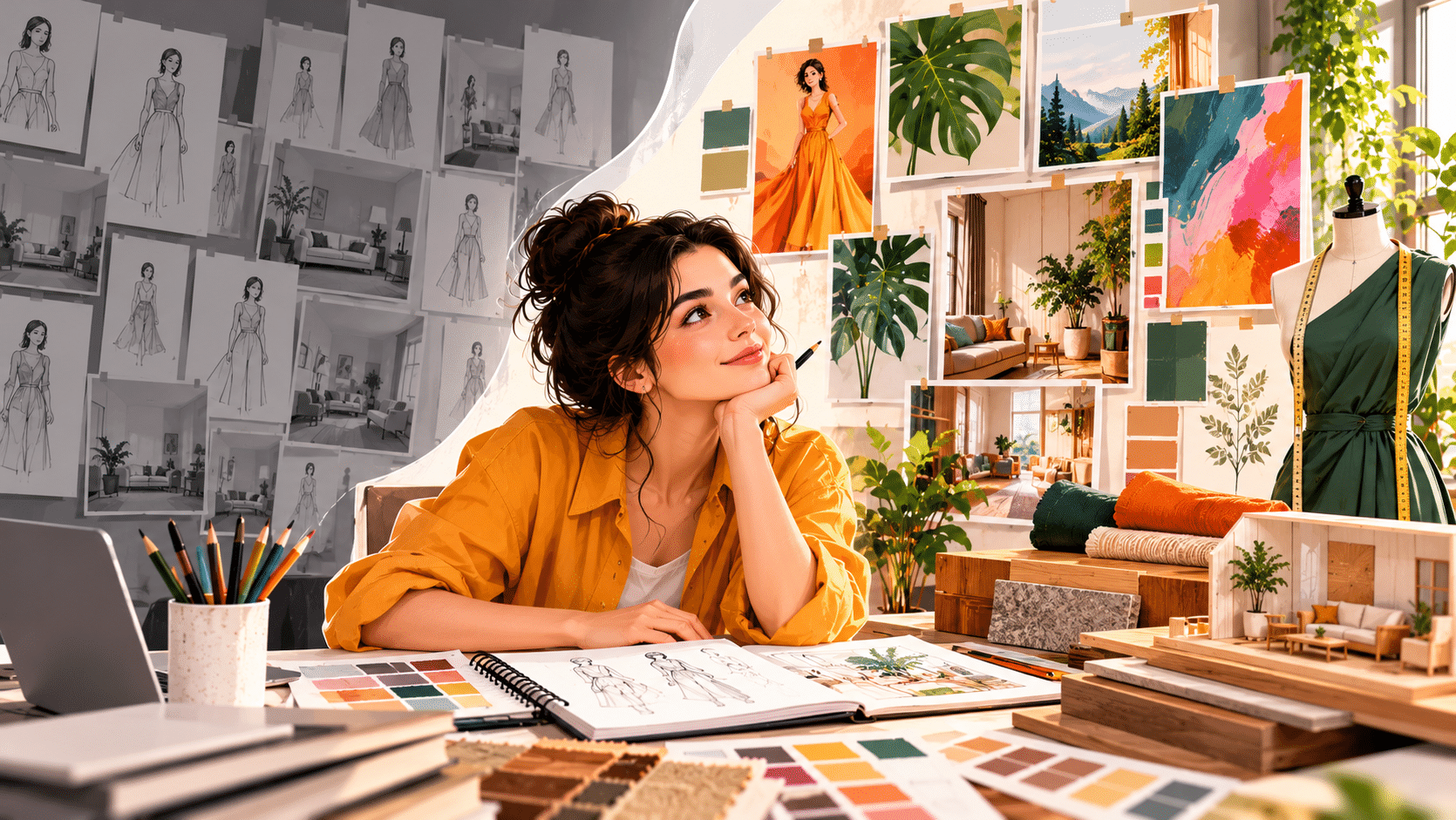
Look around, and you will notice something interesting. Many brands use similar colours, social media posts follow familiar layouts, fashion trends repeat themselves, and even modern interiors can begin to look alike. In a world filled with endless inspiration and trends, being different has become both a challenge and an opportunity.
This is where creativity makes a difference. Standing out does not always mean doing something completely unusual. Sometimes, it means looking at an ordinary idea from a fresh perspective and giving it a personal touch.
For aspiring designers, artists, and creative thinkers, learning how to develop an individual style is one of the most valuable parts of the creative journey.
Why Does Everything Start Looking the Same?
Digital platforms have made design inspiration easier to access than ever before. A person can explore thousands of fashion looks, interior spaces, illustrations, logos, and creative projects within minutes.
While this creates opportunities to learn, it also makes it easy to follow popular styles without questioning them.
For example, a design trend becomes popular on social media. Soon, different brands and creators begin using similar colours, layouts, fonts, and visual effects. Eventually, what once looked fresh starts becoming predictable.
This does not mean trends are bad. They can help designers understand changing preferences and discover new techniques. The real challenge is learning how to use trends without losing originality.
1. Develop Your Own Creative Point of View
Every designer sees the world differently. Two people can look at the same building, photograph, piece of clothing, or everyday object and imagine completely different creative possibilities.
Developing your own point of view begins with observation.
Pay attention to the details around you. Notice unusual colour combinations, interesting shapes, textures, architecture, cultural influences, and everyday experiences. These observations can become the starting point for original ideas.
Instead of asking, “What is everyone creating right now?” try asking, “What can I create from my own perspective?”
This small change in thinking can make your creative process more personal and meaningful.
2. Take Inspiration Without Copying
Inspiration is an important part of creativity. Professional designers regularly study other designs, artists, cultures, materials, and visual styles to expand their knowledge.
However, there is a difference between learning from an idea and simply reproducing it.
If you admire a fashion collection, understand what makes it interesting. Is it the fabric selection, colour balance, construction, or storytelling? You can then explore those principles in a completely different concept.
The same approach works in graphic design, interior design, jewellery design, and fine arts.
Study the idea, understand the technique, and experiment with your own interpretation. Originality often develops when different influences come together in an unexpected way.
3. Experiment Beyond Your Comfort Zone
Creative growth becomes difficult when you repeat the same methods every time.
Experimentation allows designers to discover new possibilities. A graphic designer might try an unfamiliar typography style. A fashion student might explore unconventional fabric combinations. An interior design student might experiment with natural textures and unusual spatial arrangements.
You do not need every experiment to become a successful project. Some ideas may not work, and that is completely normal.
The important thing is to understand what each attempt teaches you. Mistakes can reveal better methods, while unexpected results can lead to fresh creative directions.
4. Build a Recognisable Creative Identity
A creative identity is the combination of choices and ideas that make your work feel personal.
It may develop through your preferred colour palettes, illustration techniques, material choices, visual storytelling, or approach to solving design problems.
For example:
- A fashion designer may become interested in combining traditional influences with contemporary silhouettes.
- A graphic designer may enjoy bold typography and simple visual compositions.
- An interior designer may prefer natural materials, warm lighting, and functional layouts.
- An artist may explore expressive forms, unusual textures, and experimental techniques.
Your style does not have to be fixed from the beginning. It can change as you learn, practise, and discover new interests.
5. Create a Portfolio That Tells Your Story
A portfolio is more than a collection of finished designs. It gives people an opportunity to understand how you think, experiment, and solve creative challenges.
Instead of including only projects that look perfect, focus on showing the quality and variety of your work.
A strong portfolio can include:
- Original concepts and creative experiments.
- Initial sketches and mood boards.
- Colour and material explorations.
- Selected finished projects.
- Short explanations of the ideas behind your work.
Try to show different approaches while maintaining a clear sense of your creative interests. This helps your portfolio feel personal rather than like a collection of copied trends.
6. Understand the Balance Between Trends and Originality
Trends can be useful tools when they are understood and applied thoughtfully. They help designers stay aware of changing styles, technologies, materials, and audience expectations.
However, following every trend can make creative work feel temporary.
A better approach is to identify which trends genuinely connect with your ideas. Use the useful parts, question the unnecessary ones, and develop something that reflects your own creative direction.
The goal is not to reject modern trends. It is to make thoughtful choices instead of following them automatically.
How Design Education Helps You Discover Your Style
Creativity grows through practice, observation, feedback, and learning new techniques. A structured design education can help students explore different creative fields and understand the process behind professional design work.
At Krishna Institute of Design (KID), Indore, students exploring creative programmes can work on developing design understanding, experimenting with ideas, and building practical project experience.
Whether your interest is fashion, interiors, graphic design, animation, jewellery, or fine arts, the journey begins with curiosity and a willingness to explore.
The more you practise, the better you become at recognising what makes your work different.
Conclusion
In a world where many things look similar, originality is a valuable creative strength. Standing out is not about being different simply for attention. It is about developing your own perspective, exploring new possibilities, and creating work that reflects your ideas.
Trends will continue to change, and creative tools will keep evolving. But the ability to observe, imagine, experiment, and think independently will always matter.
Do not spend all your time trying to create what everyone already likes. Spend time discovering what you can bring to the world that feels genuinely your own.