Biophilic Design: Why Bringing Nature Indoors Is the New Interior Trend
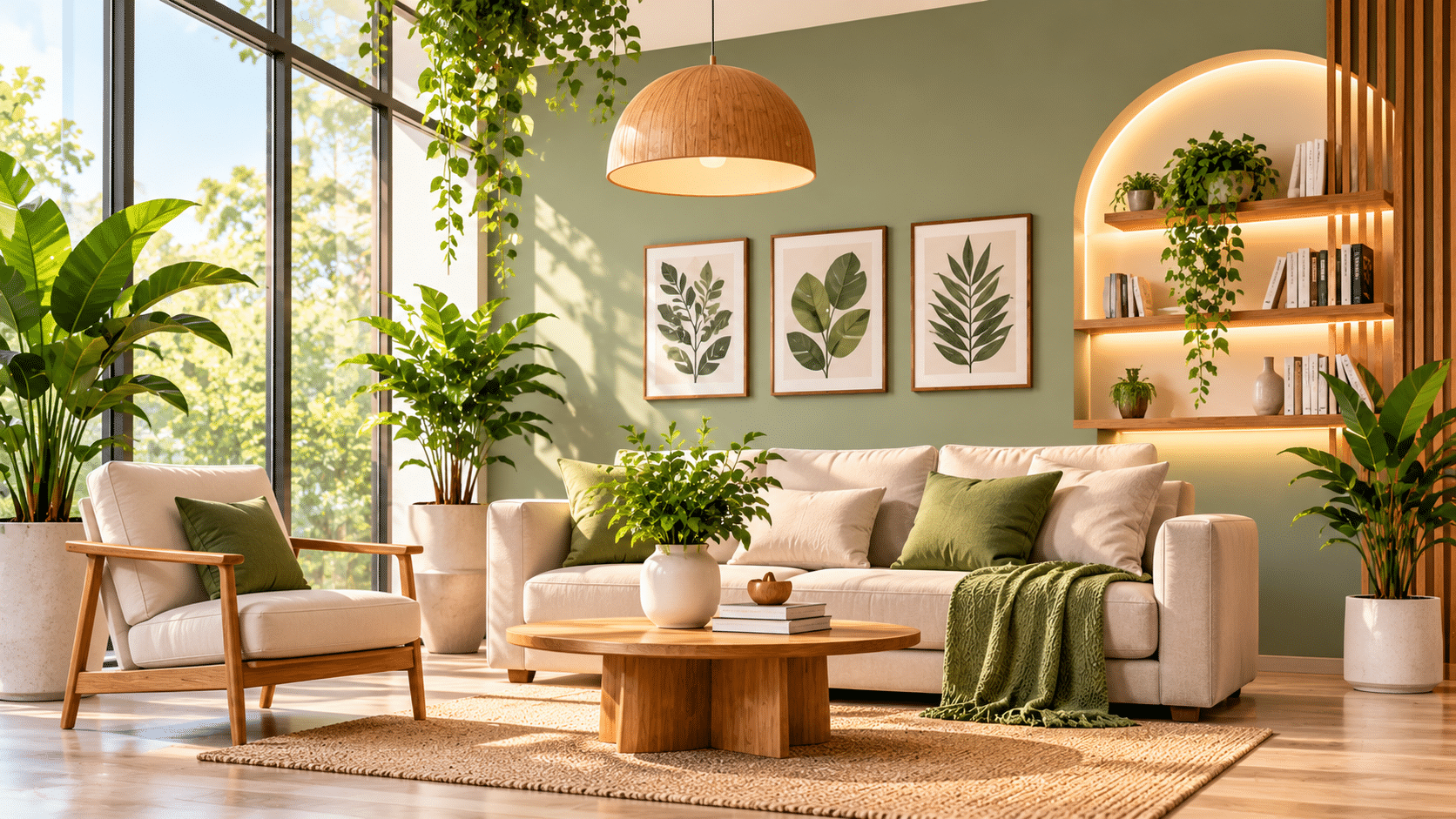
Imagine waking up in a bedroom filled with natural sunlight, enjoying your morning coffee beside a green indoor plant, or working in a space where wooden textures and natural colours create a peaceful atmosphere. These small details can change how a space looks and feels.
This is the idea behind biophilic design, an approach that brings elements of nature into the places where we live, work, and relax. From indoor gardens and natural materials to sunlight and nature-inspired patterns, this design concept is becoming an interesting part of modern interiors.
As people spend more time indoors, they are looking for spaces that feel comfortable, welcoming, and connected to the natural world. Biophilic design offers a creative way to achieve that balance.
What Is Biophilic Design?
Biophilic design is an approach to creating spaces that strengthen the connection between people and nature. The word biophilia refers to the human attraction to the natural world.
Instead of treating plants as simple decorations, this approach considers nature as an important part of the overall design. It can include natural light, fresh-air movement, greenery, water features, organic materials, and patterns inspired by nature.
For example, a living room might feature large windows, indoor plants, wooden furniture, and earthy colours. A workspace could use natural textures, outdoor views, and a layout that allows daylight to reach different areas.
The goal is to create an environment that feels more connected to nature while remaining practical and visually appealing.
Why Is Bringing Nature Indoors Becoming Popular?
Modern lifestyles often involve spending long hours inside homes, offices, classrooms, and commercial spaces. As a result, people are paying more attention to how their surroundings influence their everyday experience.
Biophilic design is gaining attention because it offers several appealing possibilities:
- A welcoming atmosphere: Natural colours, textures, and greenery can make interiors feel warmer and more inviting.
- Better use of daylight: Thoughtful window placement and open layouts can make spaces feel brighter.
- Visual connection with nature: Plants, natural materials, and outdoor views introduce variety into otherwise plain environments.
- A more personal interior: Natural elements allow people to create spaces that reflect their lifestyle and preferences.
While these features may support a more pleasant environment, their impact depends on the space, its users, and how the design is planned.
5 Creative Ways to Use Biophilic Design at Home
You do not need a large house or an expensive renovation to introduce natural elements. Even small design changes can make a difference.
1. Introduce Indoor Plants
Plants are one of the simplest ways to bring nature indoors. A few carefully placed plants can add colour, texture, and life to an interior.
You can use hanging plants, tabletop planters, or taller plants in empty corners. Choose varieties according to available sunlight, room conditions, and the time you can give them for care.
2. Make Natural Light a Priority
Natural light can influence the appearance of colours, materials, and furniture. Large windows, lighter curtains, and well-planned layouts can help daylight reach more areas of a room.
Mirrors can also reflect available light and create a sense of openness. However, the design should consider heat, glare, privacy, and the direction of sunlight.
3. Choose Natural Materials
Wood, stone, bamboo, cotton, linen, and other natural materials can add warmth and character to interiors.
A wooden coffee table, a woven rug, or a stone-finish surface can introduce natural textures without making the room feel crowded. Combining different materials thoughtfully creates visual depth.
4. Explore Earthy Colour Palettes
Colours inspired by forests, soil, water, and sunlight can help create a nature-inspired atmosphere.
Soft greens, warm browns, sandy beige, muted blues, and off-white shades are popular choices for this style. You can use them on walls, furniture, cushions, or decorative elements.
5. Add Nature-Inspired Patterns
Nature does not always have to enter a room through living plants. Floral prints, leaf patterns, organic shapes, and nature-inspired artwork can also create a connection with the outdoors.
The key is balance. A few carefully selected details often look more effective than covering every surface with patterns.
How Biophilic Design Is Influencing Modern Workspaces
The idea of bringing nature indoors is not limited to residential interiors. Offices, cafés, hotels, educational spaces, and retail environments can also use this approach.
For example, an office may include plants, natural lighting, wooden finishes, and comfortable shared areas. A café might use earthy textures, greenery, and outdoor seating to create a relaxed atmosphere.
Educational spaces can also benefit from thoughtful design. Natural light, suitable ventilation, and carefully planned layouts can make learning environments more welcoming.
These examples show how interior design can respond to people’s needs rather than focusing only on appearance.
Why Interior Designers Need to Understand Natural Design Elements
Creating a nature-inspired space requires more than adding a few plants. Designers must consider room dimensions, lighting conditions, material selection, maintenance, ventilation, and the needs of the people using the space.
This is why learning interior design principles is important. Students should understand how colours, textures, layouts, lighting, and materials work together.
Practical projects can help aspiring designers experiment with different concepts and develop their ability to plan functional interiors.
Students exploring creative education can also contact Krishna Institute of Design (KID) to request current information about relevant design programmes and practical learning opportunities.
Is Biophilic Design the Future of Interior Spaces?
Biophilic design reflects a wider interest in creating interiors that feel connected to the environment. It encourages designers to think carefully about natural light, materials, greenery, and the experience of people using a space.
It also reminds us that good design does not always need complicated decoration or expensive furniture. Sometimes, a thoughtful window arrangement, a natural material, or a simple indoor plant can change the character of a room.
As interior design continues to evolve, the connection between nature and modern living offers plenty of creative possibilities.
A beautiful space is not only about what you see. It is also about how the space makes you feel, live, and connect with the world around you.