Design: A hobby or a serious career option?
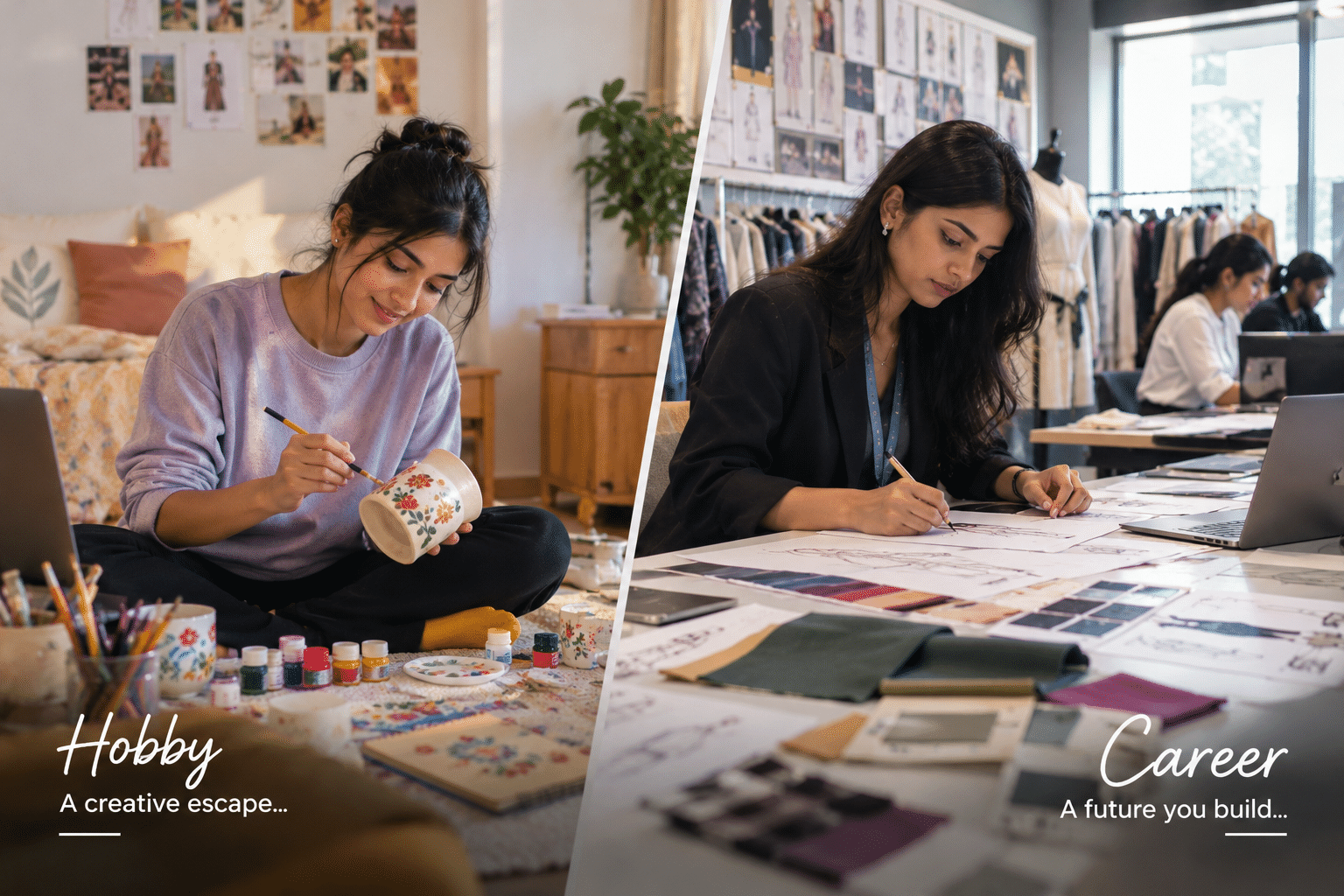
Design has always been a part of our everyday lives. Many people enjoy experimenting with creative ideas as a hobby, whether it is preparing special outfits for festivals, decorating their homes, creating jewellery, or making handmade accessories. Our mothers and sisters often explore different clothing styles, while students experiment with creative projects during their college and university days. For many people, design begins as a simple hobby, a way to express creativity and enjoy something different.
Once upon a time, designer clothing was mainly associated with celebrities, wealthy individuals, and popular personalities. Bollywood actors wearing unique outfits often attracted public attention, and people admired their fashionable looks. Professional designers were considered specialists who worked with famous personalities, luxury brands, and high-end customers. For the general public, designing was often seen as a part-time activity or a creative interest rather than a serious profession.
How design became a growing serious career opportunity ?
With the growth of the digital world, social media, and online businesses, the demand for creative designs has increased significantly. People today want products and spaces that reflect their personalities, preferences, and lifestyles. They are looking for unique clothing, attractive interiors, stylish accessories, and innovative products.
Design is no longer limited to fashion. It has expanded into interior design, jewellery design, graphic design, product design, gaming, digital illustration, and many other fields. Even everyday items, such as mobile covers, earrings, furniture, paintings, packaging, and stickers, are available in countless creative styles.
People increasingly value appearance, functionality, and originality. A well-designed home can feel more comfortable, a thoughtfully designed outfit can improve personal style, and attractive product packaging can help a business stand out in a competitive market. These changing preferences have created opportunities for skilled designers across different industries.
From creative passion to professional success ?
Design has developed into a serious career option for people who want to turn their creativity into professional skills. Experienced fashion designers may work with clothing brands, film industries, celebrities, and individual clients. Interior designers help homeowners and businesses create functional and attractive spaces, while jewellery designers develop unique ornaments for traditional and modern markets.
The earning potential varies according to a designer’s skills, experience, reputation, specialisation, and client base. Some professionals work with established companies, while others start independent studios, launch their own brands, or offer freelance services. With the right approach, design can provide employment opportunities as well as a foundation for entrepreneurship.
As the industry has grown, educational institutions have also introduced courses that help students develop technical knowledge, creative thinking, and practical experience. Students can learn about colours, materials, layouts, design software, customer requirements, and industry trends. Professional training helps transform natural creativity into a skill that can be applied to real-world projects.
Can AI replace human designers?
Artificial intelligence is changing the design industry by helping professionals generate ideas, explore layouts, create digital images, and complete certain tasks more efficiently. However, design involves much more than producing attractive visuals. Understanding human emotions, cultural traditions, customer preferences, practical requirements, and brand identity remains important.
Designers who learn to use modern tools while strengthening their creative thinking can adapt to changing industry needs. Rather than relying only on traditional methods, aspiring professionals should develop technical skills, build portfolios, understand market demands, and keep learning.
The future of design in India
India has a rich tradition of textiles, embroidery, jewellery, architecture, handicrafts, and regional art forms. Traditional techniques such as Banarasi weaving, Phulkari embroidery, Madhubani painting, and other regional crafts continue to inspire contemporary designers. By combining cultural heritage with modern ideas, designers can create products that appeal to customers in India and international markets.
Design can begin as a hobby, but with dedication, training, and consistent practice, it can grow into a rewarding career. It offers opportunities to express creativity, solve problems, build businesses, and contribute to the economy.
The real difference between a hobby and a profession is the commitment to developing your skills and creating value. If you enjoy designing, you do not have to limit your creativity to your free time. With the right knowledge and effort, your passion can become a professional journey.