Creativity a natural talent or skill you can develop?
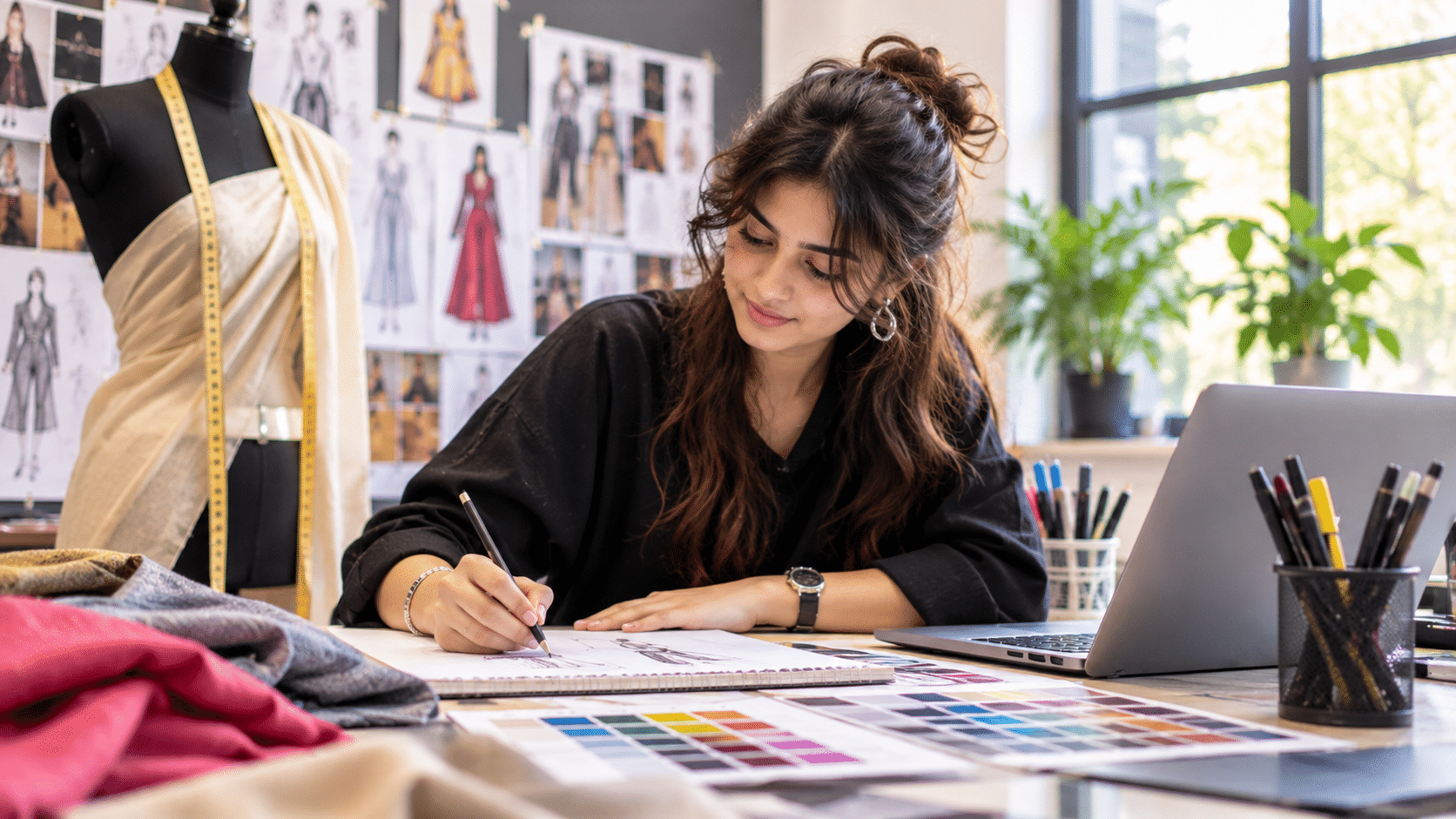
Creativity is often considered a natural talent, but it is also a skill that anyone can develop through learning, observation, practice and experience. From historical architecture and traditional artwork to modern fashion, interior and graphic design, creativity has always played an important role in shaping human life. Designs influence how people live, communicate, work and experience the world around them.
Some individuals naturally have a strong creative ability. They may understand colours, shapes, patterns and artistic expressions more quickly than others. However, natural talent alone is not enough to build a successful career in design. Creativity requires continuous improvement, practical knowledge and the willingness to explore new ideas.
Natural Talent Gives You a Starting Point
Natural talent can help individuals recognise creative opportunities and develop ideas quickly. Some people have an instinctive understanding of visual combinations, artistic expressions and innovative thinking. This ability can give them an early advantage in creative fields.
However, talent needs direction and consistent effort. Without practice, guidance and discipline, even naturally creative individuals may struggle to convert their ideas into professional designs. Learning new techniques, understanding customer requirements and adapting to changing trends are equally important.
Skills Develop Through Learning and Experience
Unlike natural talent, skills can be developed through education, observation and regular practice. Design is a profession where practical experience plays a significant role. Students learn how to transform their imagination into meaningful designs by understanding tools, materials, technology and design principles.
For example, a fashion design student needs to understand fabrics, patterns, stitching and customer preferences. Similarly, an interior designer must learn about space planning, lighting, materials and functionality. Graphic designers need knowledge of visual communication, typography, colour combinations and digital tools.
These abilities do not develop overnight. They require continuous learning, experimentation and the ability to understand mistakes.
Why Mentorship and Practical Knowledge Matter
Learning from experienced designers and mentors can help students understand the professional world more effectively. Mentors provide direction, share industry knowledge and help students improve their creative approach.
Practical projects, internships, workshops and industry exposure also allow students to understand how creative ideas work in real situations. They learn to handle challenges, meet deadlines, communicate with clients and develop designs that fulfil actual requirements.
This is where institutions such as Krishna Institute of Design can play an important role by helping students strengthen their creative abilities through education, practical learning and professional guidance.
Combining Natural Talent with Developed Skills
The real strength of a successful designer comes from combining natural creativity with professional skills. Talent may help someone generate ideas quickly, but technical knowledge and experience help turn those ideas into valuable outcomes.
A designer who continuously learns, observes market trends, understands people and experiments with new techniques can develop a stronger creative identity. Consistency, curiosity and problem-solving abilities are essential for long-term growth.
The design industry also demands adaptability. Technology, artificial intelligence, customer expectations and changing lifestyles continue to influence how designers work. Therefore, creative professionals must keep upgrading their knowledge and developing new skills.
Conclusion
Creativity is not limited to people who are naturally talented. It is an ability that can grow with the right education, experience, mentorship and consistent practice. Natural talent can provide an initial advantage, but developed skills create confidence, professional value and long-term opportunities.
Whether someone wants to become a fashion designer, interior designer, jewellery designer, graphic designer or gaming professional, the willingness to learn makes a significant difference. Ultimately, talent may help you start your creative journey, but skills, dedication and continuous improvement help you build a successful future.