Can You Become an Artist Without Being Good at Drawing?
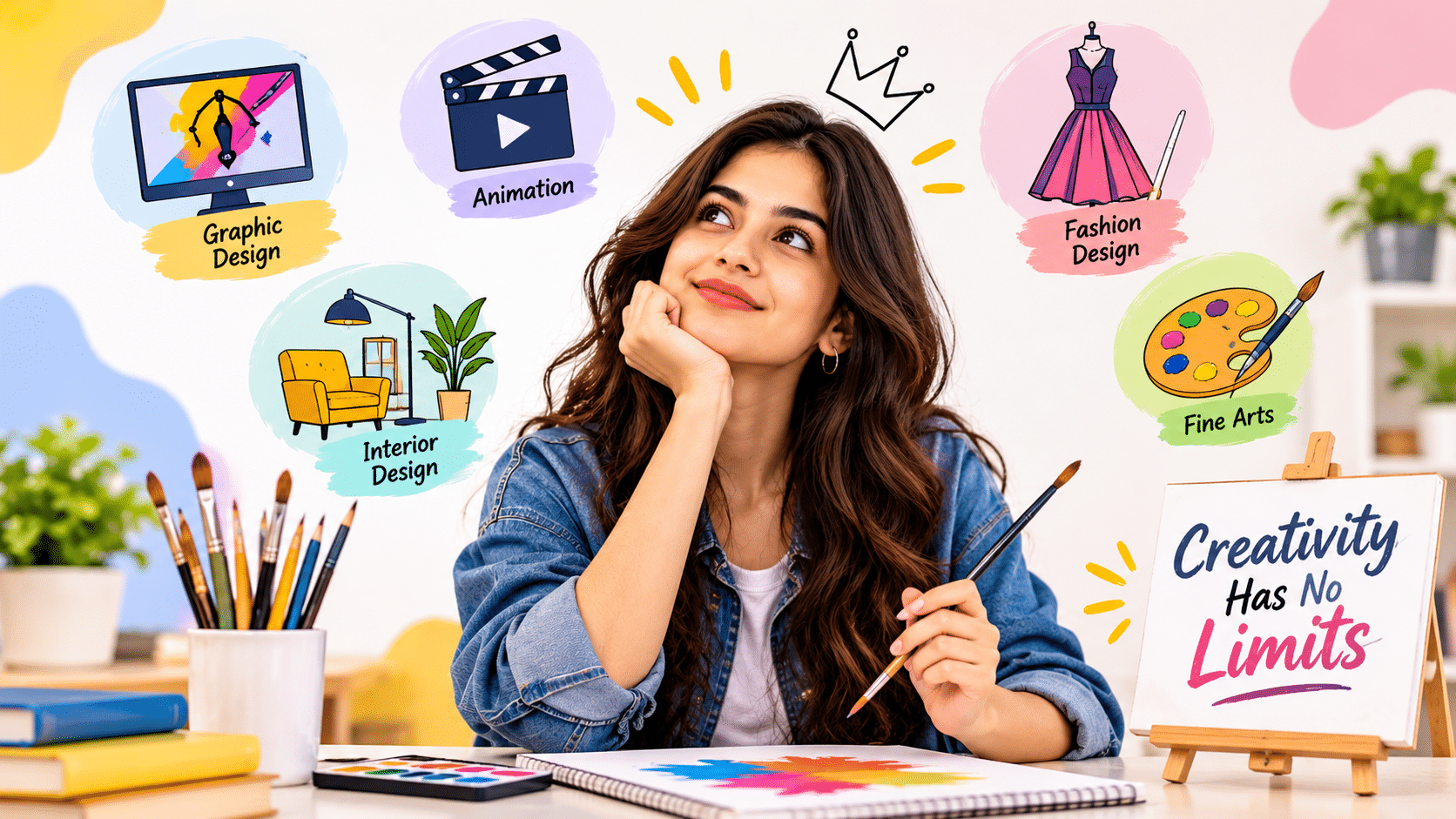
Have you ever looked at someone’s beautiful painting or impressive sketch and thought, “I could never do that”? Perhaps you love colours, enjoy creative activities, or have hundreds of ideas in your mind, but you hesitate to explore art because you are not confident in your drawing skills.
Here is something worth knowing: You do not have to be an expert at drawing to become an artist.
Art is much bigger than pencils, sketchbooks and perfect paintings. It is about expressing ideas, exploring possibilities and finding interesting ways to turn imagination into reality. Some artists work with digital tools, some experiment with materials, while others create designs using shapes, photography, animation or technology.
So, if you have a creative mind but are worried about your drawing abilities, perhaps it is time to look at art differently.
Art Is More Than Just Drawing Perfect Pictures
One of the biggest misconceptions about art is that every artist must know how to draw realistic faces, landscapes or complicated objects. While drawing is an important skill in many creative fields, it is certainly not the only way to express creativity.
Think about a graphic designer creating an attractive poster, an animator bringing a character to life or an interior designer transforming an empty room into a beautiful space. All these professionals use artistic thinking, but their creative processes are different.
Art can involve photography, digital illustration, typography, colour combinations, sculpture, fashion styling and much more.
What matters is your ability to observe, imagine, experiment and communicate ideas visually.
What If Your Creativity Is Stronger Than Your Drawing Skills?
Imagine a student who loves experimenting with colours but struggles to draw straight lines. Another student enjoys creating attractive presentations, while someone else has a natural interest in decorating rooms and arranging objects.
Are these students creative? Absolutely!
Creative ability can appear in many different forms. Some people are naturally good at visualising ideas, others understand colour combinations, and some have an excellent sense of style and presentation.
Drawing is a skill that can improve with regular practice. Creativity, however, also grows through observation, curiosity and experimentation.
Instead of judging your potential by your first sketch, pay attention to the things you enjoy creating.
Creative Fields Where You Can Explore Your Artistic Side
The creative industry offers many different opportunities for students who want to express their imagination. You do not have to follow one particular artistic path.
1. Graphic Design
Do you enjoy attractive visuals, creative layouts, colours and typography? Graphic design could be an interesting field to explore. Designers communicate ideas through posters, branding, advertisements, social media graphics and digital content.
It involves visual thinking, design principles and learning how to use creative software.
2. Animation and Visual Effects
If you love animated movies, video games or digital characters, animation could capture your interest. It combines storytelling, movement, imagination and technology to create engaging visual experiences.
Students can explore character design, 2D animation, 3D modelling and visual effects.
3. Interior Design
Do you often imagine how a room could look better with different furniture, lighting or colours? Interior design brings these ideas to life.
It involves space planning, material selection, colour coordination, furniture layouts and creating environments that are both functional and visually appealing.
4. Fashion Design
Fashion is another exciting way to express creativity. It is not only about drawing clothing designs but also understanding fabrics, textures, patterns, styling and trends.
Students interested in personal style and clothing can explore how creative ideas develop into wearable designs.
5. Fine Arts
For students who enjoy experimenting with different materials and artistic techniques, fine arts offers opportunities to explore painting, sculpture, mixed media, illustration and other forms of visual expression.
It helps develop observation, imagination and an individual artistic style.
How Can You Improve Your Creative Skills?
You do not need to wait until you feel talented enough to start creating. In fact, the best way to discover your abilities is to begin experimenting.
Start with small activities. Try sketching simple objects, combining different colours, creating digital designs or experimenting with handmade crafts. Observe everyday surroundings and notice how colours, shapes and patterns work together.
Do not be afraid of mistakes. Your early creations may not look exactly as you imagined, but every attempt teaches you something new.
You can also learn from other artists, explore different creative techniques and practise using modern design tools. Gradually, these experiences will help you become more confident in expressing your ideas.
Why Learning the Right Creative Skills Matters
Having imagination is a wonderful starting point, but developing it through proper learning and practice can make a real difference.
Creative education helps students understand the fundamentals of design, explore different mediums and work on practical projects. It also introduces them to techniques and tools used in professional creative industries.
At KID – Krishna Institute of Design in Indore, students can explore creative disciplines such as fashion design, interior design, graphic design, animation and fine arts. Through practical learning, creative projects and faculty guidance, students can work towards developing their individual interests and skills.
The important thing is to choose a creative direction that matches your interests and remain open to learning new things.
The Future Belongs to People Who Think Creatively
Today, creativity is valuable across many industries. Businesses need designers who can communicate ideas, entertainment companies need artists who can tell stories, and brands need creative thinkers who can make their visuals memorable.
Technology is also creating new ways to experiment with art. Digital illustration tools, 3D software and artificial intelligence are expanding the possibilities for creative expression.
This means students have more ways than ever to explore their artistic interests. Understanding both traditional creative principles and modern tools can help them prepare for changing opportunities.
You do not need to master everything at once. Begin with curiosity, develop your skills and discover what makes your creative approach different.
Conclusion
So, can you become an artist without being good at drawing? Yes, you can!
Drawing is just one part of the creative world. Your imagination, ideas, observation skills and willingness to experiment can also help you discover your artistic abilities.
Do not allow one skill you have not mastered yet to stop you from exploring an entire world of creative possibilities.
Perhaps you are not the best at sketching today, but you might be excellent at designing, storytelling, styling or creating something completely original.
Remember, becoming an artist is not about drawing perfect pictures. It is about learning to see the world differently and having the courage to create something of your own.