Is Fashion in 2026 More About Identity Than Trends?
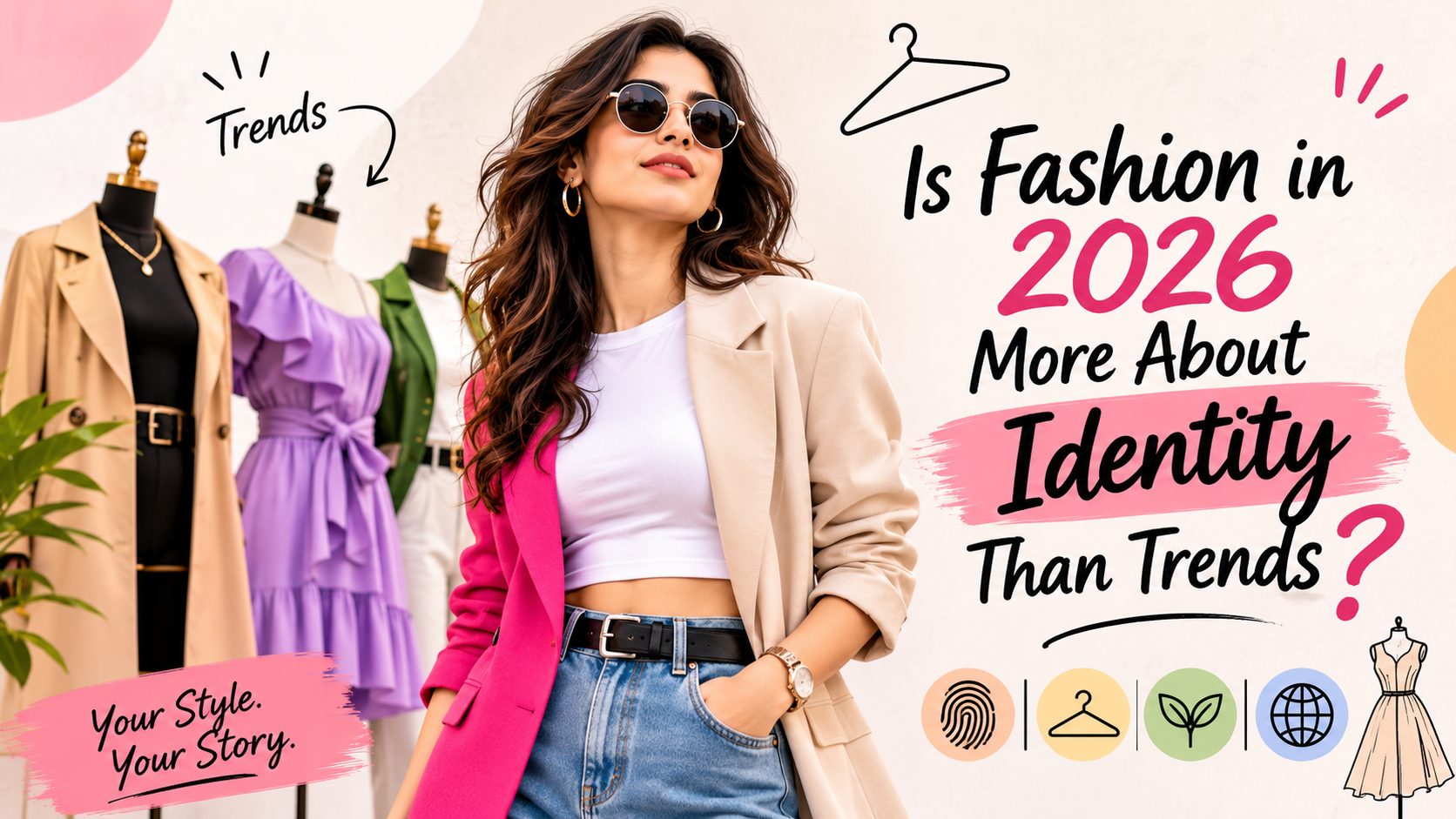
Imagine walking into a room where everyone is wearing the latest fashion trends. Suddenly, someone enters wearing something completely different. Their outfit may not follow any popular trend, but it reflects their personality, confidence and creativity. Without saying a word, they have made a statement.
That is the interesting thing about fashion today. It is no longer just about wearing what is popular. It is increasingly becoming a way for people to express who they are, what they believe in and how they see the world.
In 2026, fashion is moving beyond simply following trends. Personal style, individuality, cultural influences and creative freedom are playing a bigger role in how people choose their clothes. But does this mean trends are losing their importance, or are people simply learning to make fashion their own?
Fashion Is Becoming a Language of Self-Expression
Clothing is one of the first things people notice about each other. The colours, patterns, accessories and styles we choose can communicate something about our personality without using words.
Some people prefer simple outfits with neutral colours, while others enjoy bold prints, unusual combinations and statement accessories. Neither approach is right or wrong. What matters is how comfortably a person expresses themselves through their choices.
This is why personal style is becoming such an important part of modern fashion. People are becoming more interested in creating looks that represent their individuality rather than copying every popular outfit they see online.
Why Are People Moving Beyond Fashion Trends?
Fashion trends change constantly. One season, oversized clothing may become popular, while another season brings fitted silhouettes or completely different colour combinations.
Social media makes these changes happen even faster. A celebrity outfit, a viral video or a fashion influencer can introduce a new style to millions of people almost overnight.
However, following every trend can make personal style feel repetitive. Many people are now exploring their own preferences instead of buying something simply because it is fashionable.
They are choosing clothing that suits their lifestyle, comfort, personality and interests. This shift is encouraging people to think more carefully about what they wear and why they wear it.
The Rise of Personalised and Individual Fashion
One interesting development in modern fashion is the growing appreciation for personalised clothing and unique styling.
People are experimenting with customised outfits, vintage pieces, handmade accessories, unusual colour combinations and creative ways of mixing different styles.
For example, someone might combine traditional Indian clothing with contemporary silhouettes. Another person might style a simple outfit with handmade jewellery or vintage accessories.
These combinations show that fashion does not always need to follow a fixed set of rules. Sometimes, the most interesting looks come from mixing different influences and creating something personal.
For young fashion enthusiasts, this opens up endless opportunities to experiment and discover their own creative identities.
How Social Media Is Changing the Way We See Fashion
Social media has transformed fashion into something people can explore, share and discuss every day.
Platforms such as Instagram and Pinterest allow users to discover designers, styling ideas, fashion collections and creative communities from around the world.
But social media has also changed the meaning of being fashionable. Instead of simply following famous designers or celebrities, people are finding inspiration in everyday creators, independent brands and different cultures.
A simple outfit created by an individual can inspire thousands of others. This gives emerging fashion enthusiasts an opportunity to share their creativity and develop their own visual identity.
At the same time, it is important to remember that inspiration does not mean imitation. The real challenge is taking an idea and transforming it into something that feels original.
Sustainability Is Influencing Personal Style
Another important change in fashion is the growing interest in thoughtful clothing choices.
Many consumers are paying more attention to how their clothes are made, how long they last and whether they can be styled in different ways.
Reusing old outfits, exploring second-hand fashion, choosing durable materials and supporting responsible brands are becoming part of conversations around modern style.
This approach also encourages creativity. A garment does not always need to be replaced to create a new look. Sometimes, changing the way it is styled or combining it with different accessories can make it feel completely different.
For future fashion designers, understanding sustainability and responsible material choices is becoming an important part of creative thinking.
What Does This Shift Mean for Future Fashion Designers?
If fashion is becoming more personal, designers need to understand more than just popular colours, fabrics and seasonal trends.
They must learn how people think, what inspires them and how clothing can communicate ideas and emotions.
A successful fashion designer needs creativity, observation skills, knowledge of fabrics, an understanding of colour combinations and the ability to develop original concepts.
Students interested in this field can begin by exploring fashion illustrations, fabric experiments, mood boards, styling and garment construction.
At KID – Krishna Institute of Design in Indore, aspiring designers can explore fashion design through practical learning, creative projects and faculty guidance. Developing these skills can help students understand the design process and build their own creative approach.
The future of fashion will offer opportunities to those who can combine knowledge of changing trends with a strong sense of originality.
Will Personal Style Replace Fashion Trends?
Probably not. Fashion trends will always influence what people wear, but the way people use those trends is changing.
Instead of following every new style exactly as it appears, people are becoming more selective. They are choosing the ideas they like, adapting them to their personalities and creating combinations that feel unique.
This means trends and individuality can exist together. A popular colour or silhouette can become a starting point for personal creativity rather than a rule everyone must follow.
The most interesting fashion choices may come from people who understand trends but are confident enough to interpret them differently.
Conclusion
So, is fashion in 2026 more about identity than trends? In many ways, yes. People are increasingly using fashion to express their personalities, celebrate their individuality and communicate their creative ideas.
Trends may introduce new possibilities, but personal style gives those possibilities meaning.
For aspiring fashion designers, this is an exciting time to explore new concepts, experiment with different materials and understand what makes each person’s style unique.
Because at the end of the day, the most memorable fashion statement is not always the latest trend. Sometimes, it is simply wearing something that feels completely and confidently like you.