Why creativity alone is not enough to build a successful design career ?
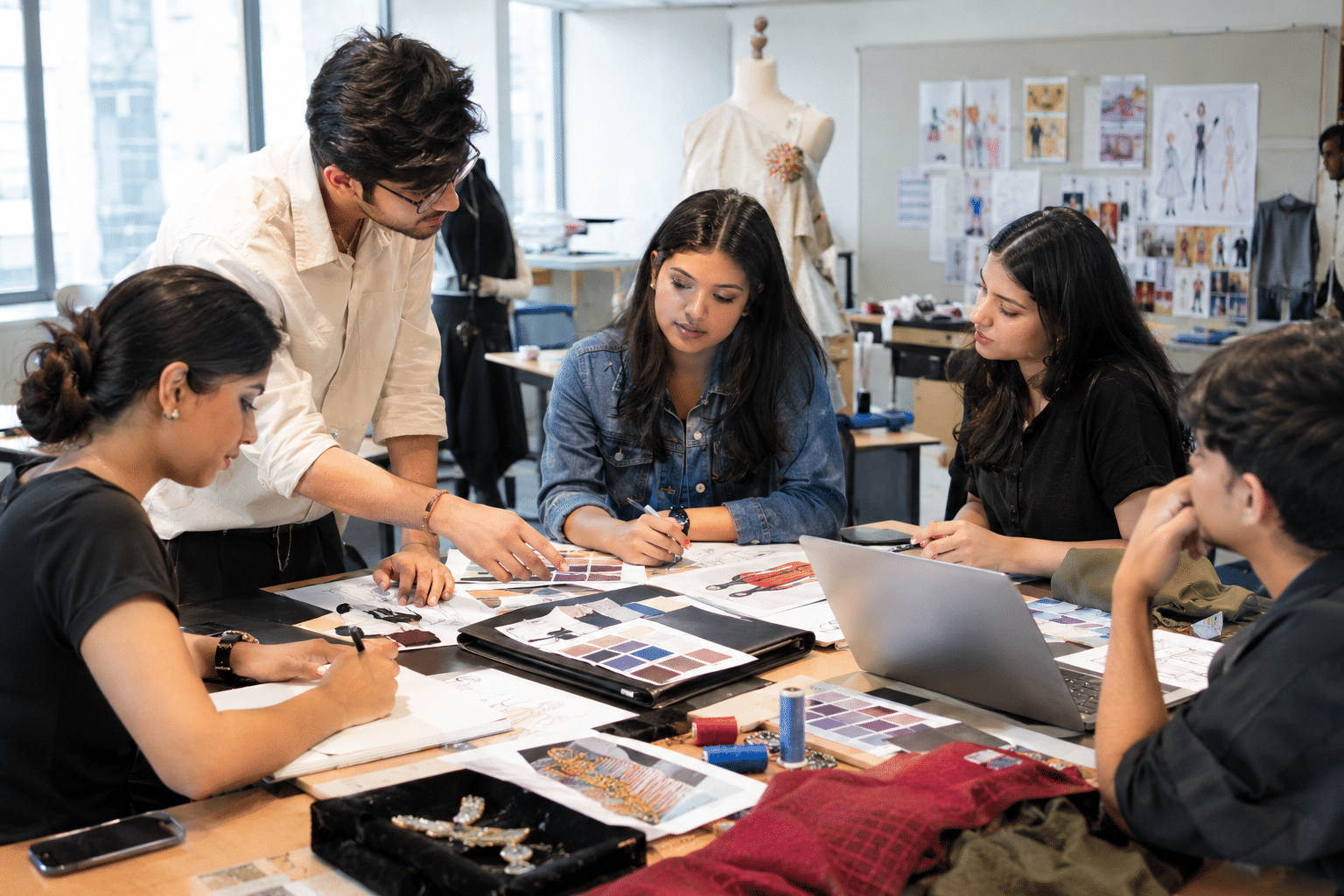
Be creative and enhance greater skills to achieve bigger goals.
Design is one of the popular career choices in today’s world. From fashion and jewellery to interiors, graphics and gaming, design offers many opportunities for creative people. However, building a successful design career requires more than just creativity. Designers also need practical knowledge, communication skills, discipline and industry experience to grow professionally. Design has been important throughout history. From royal palaces and forts to traditional clothing and decorative arts, every design reflected the culture, values and lifestyle of its time. Kings and queens valued skilled artisans and designers for their ability to turn ideas into beautiful and meaningful creations. Today, design has become a professional career that combines creativity, technology, business and innovation.
Creativity is the beginning, not the final step
Creativity is one of the most important skills for a designer. It helps people develop new ideas, solve problems and create unique designs. However, having good ideas does not always mean that a person can turn them into successful projects. A designer may create an attractive concept, but the final result must also meet the client’s requirements, fit the budget and be completed on time. This is where practical knowledge and professional skills become important. For example, an interior designer needs creativity to plan a beautiful room, but must also understand space, materials, lighting and costs. Similarly, a fashion designer needs original ideas along with knowledge of fabrics, measurements, production and customer preferences.
Skills every designer needs beyond creativity
1. Communication Skills
Designers regularly interact with clients, colleagues, suppliers and other professionals. They must explain their ideas clearly, understand feedback and make changes when required. Good communication helps avoid confusion and builds trust with clients.
2. Discipline and work ethics
Design projects often involve deadlines, revisions and demanding schedules. Designers must manage their time, complete tasks responsibly and maintain the quality of their work. Discipline helps turn creative ideas into finished projects.
3. Industry knowledge and practical experience
Understanding how the design industry works is essential for professional growth. Students should learn about current trends, materials, tools, technology and customer expectations. Internships, workshops and real-world projects can help them understand the difference between classroom learning and professional work.
4. Teamwork and Leadership
Design projects often require people from different backgrounds to work together. Designers must listen to others, share ideas and respect different opinions. With experience, they may also need to guide a team, manage projects and make important decisions.
5. Business and entrepreneurship skills
Designers who want to start their own businesses need to understand pricing, budgeting, marketing, client management and business planning. Creativity can attract customers, but good management helps a business grow and remain successful.
How can you develop these skills?
Building a successful design career takes time, practice and continuous learning. The first step is to gain strong knowledge of your chosen design field. Learn the tools, techniques and principles that are important for your specialisation. Next, practise regularly and work on projects that challenge your abilities. Build a portfolio that shows your ideas, practical skills and problem-solving approach. Participate in workshops, internships, exhibitions and other activities that allow you to meet people and learn from experienced professionals.
Communication also improves through daily practice. Talk to classmates, colleagues and mentors, exchange ideas and learn to accept constructive feedback. Instead of limiting yourself to familiar surroundings, visit new places, observe different cultures and explore new styles. These experiences can improve your observation, adaptability and understanding of people’s needs. Networking is equally important. Connecting with designers, industry experts and like-minded people can help you discover opportunities, learn new techniques and understand changing market demands.
Conclusion
Creativity gives a designer the ability to imagine something new, but professional skills help turn that imagination into reality. Communication, discipline, practical experience, teamwork and business knowledge all contribute to long-term success. A successful designer never stops learning. The design industry continues to change with new technologies, customer expectations and market trends. By combining creativity with consistent practice, professional behaviour and a willingness to improve, aspiring designers can build stronger careers and create meaningful work.Remember, creativity may open the door to a design career, but knowledge, discipline and continuous growth help you move forward.