Can Traditional Indian Architecture Inspire Modern Interiors? Discover the Beauty of Timeless Design
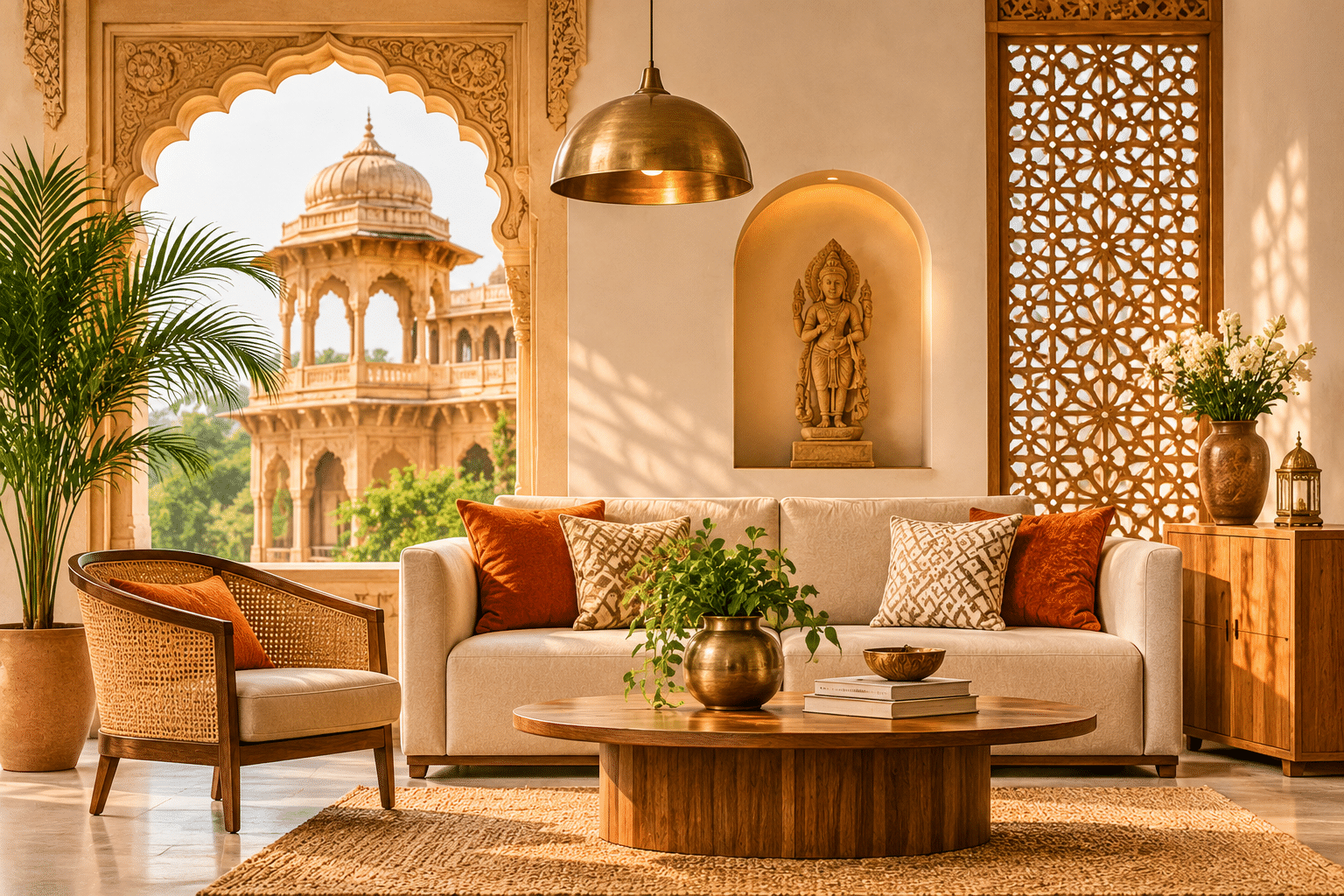
Indian architecture has always been admired for its beautiful details, thoughtful spaces, rich materials, and connection with nature. From intricately carved wooden doors and traditional courtyards to beautiful arches, jalis, and stone textures, every element tells a story.
Today, as modern interior design continues to evolve, many designers are looking towards traditional Indian architecture for inspiration. Instead of recreating historical spaces exactly as they were, they are finding creative ways to combine traditional elements with contemporary layouts, furniture, and materials.
This combination creates interiors that feel connected to Indian culture while meeting the needs of modern lifestyles.
Why Is Traditional Indian Architecture Still Relevant?
Traditional Indian architecture developed around climate, local materials, cultural practices, and everyday living. Different regions created their own architectural styles, using materials and construction techniques suited to their surroundings.
For example, traditional homes in Rajasthan often feature courtyards and detailed stonework, while Kerala architecture is known for sloping tiled roofs and timber elements. Havelis are admired for their carved balconies, decorative windows, and beautifully designed internal spaces.
These architectural ideas continue to inspire designers because they combine visual beauty with practical thinking.
1. Courtyards Are Inspiring Open and Airy Interiors
One of the most interesting features of traditional Indian homes is the courtyard, often known as an angan. It creates an open space within the house and can help bring daylight and ventilation into surrounding rooms.
Modern interior designers are adapting this idea through open-to-sky spaces, indoor gardens, central light wells, and small green corners.
Even in contemporary homes where a full courtyard may not be possible, designers can introduce the same feeling through:
- Indoor plants and natural elements.
- Open layouts that allow light to travel.
- Skylights and carefully placed windows.
- Small seating areas connected to outdoor spaces.
These approaches demonstrate how an old architectural concept can be adapted to suit modern homes.
2. Jali Patterns Add Beauty and Functionality
Traditional Indian jalis are perforated screens made from materials such as stone, wood, or brick. They are admired for their geometric and floral patterns.
Beyond decoration, these screens can filter sunlight, create interesting shadow patterns, and provide a degree of privacy.
Today, jali-inspired designs are being used in room dividers, decorative panels, balcony screens, cabinet fronts, and feature walls.
Designers can experiment with contemporary materials and simplified patterns while retaining the visual character of traditional screens.
A well-placed jali panel can become a striking interior feature without making the room feel heavy.
3. Natural Materials Bring Traditional Warmth
Traditional Indian architecture makes extensive use of locally available materials such as wood, stone, clay, and lime-based finishes.
These materials bring texture and character into a space. Modern interiors can take inspiration from this approach by incorporating natural finishes alongside contemporary surfaces.
Some popular choices include:
- Natural stone for flooring and feature walls.
- Wooden furniture and decorative panels.
- Terracotta tiles and accessories.
- Lime-inspired wall finishes.
- Bamboo and cane furniture.
- Handwoven cotton and traditional textiles.
The combination of natural materials with modern furniture can create a balanced interior that feels warm, comfortable, and timeless.
4. Traditional Colours Are Influencing Modern Colour Palettes
Indian architecture and interiors offer a rich collection of colour inspiration. Earthy reds, terracotta, mustard, indigo, muted greens, warm browns, and natural cream shades can all be found in traditional crafts, buildings, and decorative details.
Modern designers are reinterpreting these colours in more subtle ways.
For example, a contemporary living room might use neutral walls with terracotta cushions, indigo artwork, or mustard decorative pieces. A modern bedroom could combine wooden furniture with warm earthy shades.
The idea is not to use every traditional colour at once. Instead, select a few complementary tones to create a cohesive and inviting atmosphere.
5. Indian Craftsmanship Is Adding Personality to Modern Spaces
Traditional Indian craftsmanship is another valuable source of inspiration for interior designers.
Hand-carved furniture, woven textiles, pottery, metalwork, block-printed fabrics, and handcrafted decorative objects can bring individuality into contemporary spaces.
These details also help preserve an appreciation for traditional skills and regional artistic practices.
For example, a modern dining room can include handcrafted wooden furniture, while a simple contemporary bedroom can feature traditional textile patterns through cushions or wall art.
Using handcrafted elements thoughtfully allows designers to create interiors that feel personal rather than mass-produced.
6. Arches and Decorative Details Are Making a Comeback
Arches have been an important feature of several Indian architectural traditions. They can be seen in historic homes, palaces, monuments, and traditional entrances.
Modern interiors are adapting this shape in softer, simpler ways.
Arched doorways, curved niches, rounded mirrors, decorative wall openings, and curved furniture can introduce a sense of flow into contemporary spaces.
These details can become attractive focal points without requiring an entire room to follow a traditional architectural style.
How Can Designers Combine Tradition with Modern Living?
The most successful traditional-modern interiors are not simply collections of historical decorative elements. They are carefully planned spaces where appearance and functionality work together.
Here are a few useful design principles:
- Choose a focal element: Start with one feature, such as a jali screen, carved wooden panel, or traditional textile.
- Keep the layout practical: Ensure furniture placement, movement, lighting, and storage suit everyday needs.
- Balance old and new: Combine traditional details with contemporary furniture and simple finishes.
- Respect regional influences: Understand the origin and character of the architectural elements you use.
- Avoid overcrowding: Give decorative details enough space to stand out.
This approach allows designers to celebrate cultural inspiration without compromising modern comfort.
Why Should Interior Design Students Explore Traditional Architecture?
Understanding traditional architecture can help aspiring interior designers develop a deeper appreciation for materials, patterns, spatial planning, craftsmanship, and cultural influences.
It also encourages creative thinking. Students can study historical buildings, prepare mood boards inspired by regional architecture, experiment with material combinations, and develop contemporary interior concepts based on traditional ideas.
At Krishna Institute of Design (KID), Indore, students interested in interior design can explore design principles, develop creative concepts, and gain practical experience through projects.
Studying both traditional and contemporary approaches can help future designers develop a broader understanding of how spaces are created.
Conclusion
Traditional Indian architecture offers a rich source of inspiration for modern interiors. Courtyards, jali screens, natural materials, earthy colours, handcrafted details, and arches can all be reimagined for contemporary spaces.
The beauty of this design approach lies in its ability to connect the past with the present. Rather than copying historical styles, modern designers can understand their purpose and reinterpret them through fresh ideas.
For aspiring interior designers, exploring India’s architectural heritage is an opportunity to discover new possibilities and create spaces that are functional, meaningful, and full of character.