Can a Poster Tell a Complete Story Without Using Many Words?
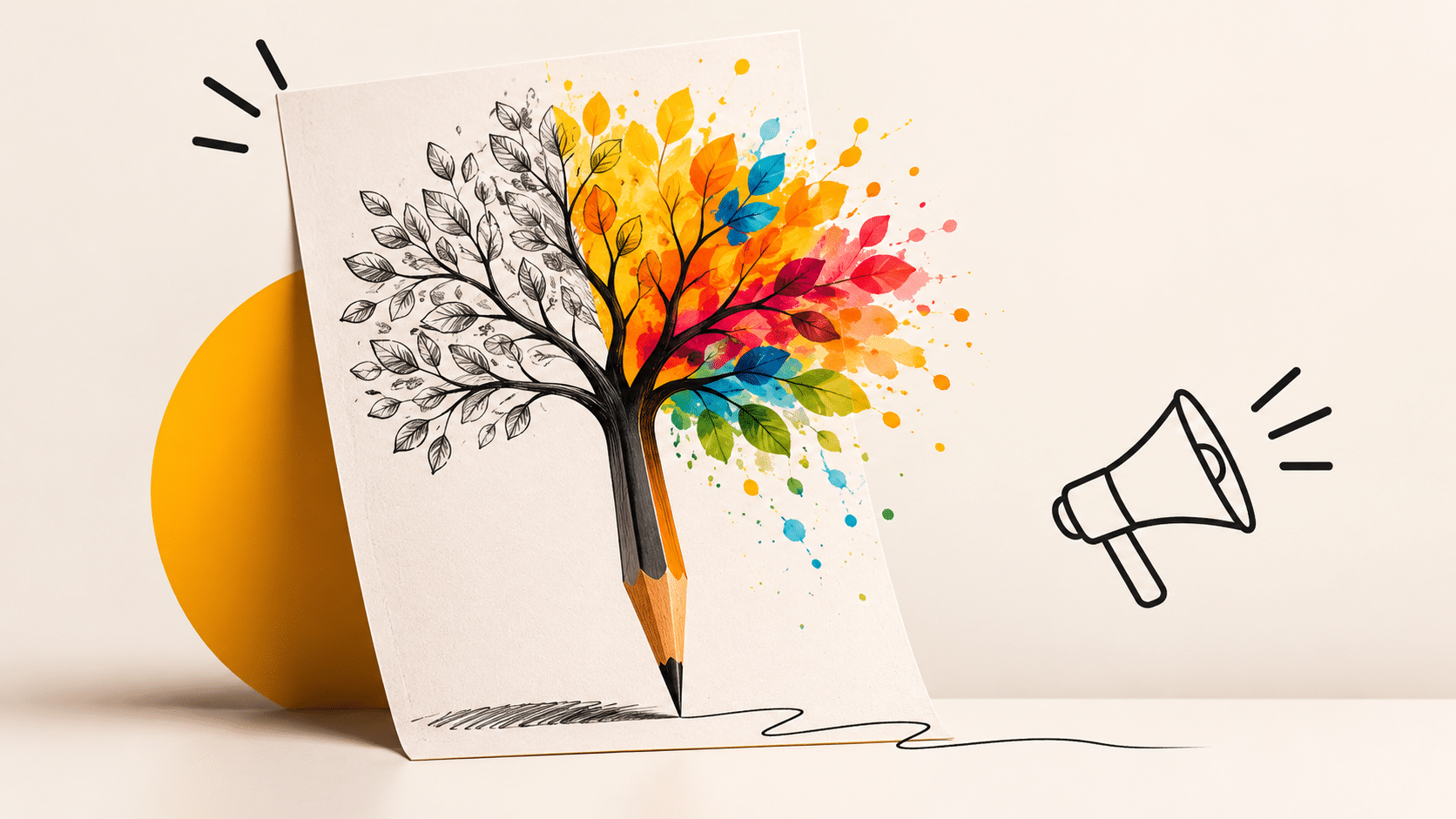
In today’s fast-moving digital world, people come across hundreds of advertisements, images and designs every day. Capturing their attention has become a real challenge for graphic designers. A poster often has only a few seconds to communicate its message. But does an effective poster really need long sentences and detailed explanations? The answer is no. Sometimes, a single image, a creative colour combination or a powerful visual idea can tell an entire story.
This is the beauty of minimal poster design. It focuses on communicating ideas through visuals rather than depending on too much text. By combining creativity, typography, colours and thoughtful composition, designers can create posters that are simple, attractive and meaningful.
The Art of Visual Storytelling in Poster Design
Visual storytelling is one of the most interesting aspects of graphic design. It allows designers to communicate emotions, ideas and messages through images. Instead of explaining everything with words, a designer uses visual elements to help viewers understand the concept naturally.
Imagine a poster about environmental protection. Instead of adding several sentences about saving nature, the designer creates an illustration of a green tree growing from two hands. This simple visual immediately communicates the importance of protecting the environment.
Such creative approaches make posters easier to understand and more memorable. They also encourage viewers to think about the message rather than simply read it. This is why visual storytelling plays an important role in modern poster design.
How Colours Make a Poster More Meaningful
Colours have the ability to communicate emotions even before someone reads the headline. Every colour creates a different impression, which makes colour selection an important part of the design process.
For example, green is commonly associated with nature, freshness and growth, while blue creates a feeling of trust and confidence. Red can communicate energy and excitement, whereas yellow often represents happiness and creativity. Black and white can create a sophisticated and minimal appearance.
A good graphic designer understands how to use colours according to the purpose of a poster. The right combination can make an ordinary design look interesting and give its message a stronger emotional impact.
Typography: When Letters Become Art
Typography is much more than choosing a font for a poster. It is a creative way of communicating through the appearance and arrangement of letters.
The right typography can make a simple poster look powerful without requiring additional images or lengthy descriptions. Bold fonts can express confidence, while elegant lettering can create a premium and sophisticated feeling. Creative font arrangements can also become the main attraction of a design.
Modern poster designers often experiment with oversized text, unusual spacing and interesting font combinations. However, readability should always remain important. The purpose of typography is not just to make words look attractive but also to make the message easy to understand.
Why Minimalism Makes a Strong Impression
One common mistake in poster design is trying to communicate too many things at once. Adding multiple images, different fonts, bright colours and lengthy paragraphs can make a poster look confusing.
Minimalism offers a different approach. It encourages designers to focus on the most important message and remove elements that do not add value to the composition.
Empty space, also known as negative space, is an important part of this approach. It gives visual elements enough room and makes the overall design look balanced. A strong headline, one meaningful illustration and a carefully selected colour palette can sometimes create a much greater impact than a crowded layout.
However, minimal design does not mean using fewer elements without a purpose. Every image, colour and word should contribute something meaningful to the final composition.
Creativity Is the Heart of Every Successful Poster
A memorable poster usually begins with an interesting idea. Designers need to observe everyday situations, explore different perspectives and transform ordinary thoughts into creative visuals.
For example, a poster promoting education could feature an open book with colourful illustrations emerging from its pages. A design about time management could show a clock transforming into a staircase, representing progress and personal growth.
These concepts demonstrate how imagination can turn simple subjects into meaningful visual experiences.
For aspiring designers, experimenting with different poster styles is a valuable way to improve creative thinking. Exploring illustrations, digital artwork, typography and different compositions helps develop an individual design style.
Learning the Skills Behind Effective Poster Design
Creating a successful poster requires a combination of creativity and technical knowledge. Designers need to understand visual hierarchy, colour theory, typography, image placement and composition. They also need practical experience with graphic design software to turn their ideas into professional designs.
Students interested in developing these skills can benefit from working on real-world creative projects, experimenting with different design concepts and building a portfolio of their work.
At Krishna Institute of Design (KID), Indore, students can explore creative learning and practical design projects while developing their understanding of visual communication. Such experiences help aspiring designers discover their interests and build confidence in expressing ideas through design.
The Future of Minimal Poster Design
As digital platforms continue to grow, visual communication is becoming more important for brands, businesses and creative professionals. Social media campaigns, digital advertisements, promotional graphics and awareness posters all require designs that communicate quickly and effectively.
Minimal poster design fits naturally into this changing environment. Clean layouts, expressive typography, meaningful illustrations and creative visual concepts help brands deliver messages without overwhelming their audiences.
Although design trends continue to change, the importance of clear communication will always remain. Designers who understand how to combine simplicity with originality will have exciting opportunities across advertising, branding and digital media.
Conclusion
So, can a poster tell a complete story without using many words? Absolutely. A powerful visual, thoughtful typography and the right colours can communicate an entire idea without requiring lengthy explanations.
The secret is to understand the message and find the most creative way to express it. Great poster design is not about filling every available space. It is about making every element meaningful.
Sometimes, the most powerful designs are the ones that say less but make people think more.