Small Details, Big Impact: Is a Diploma in Interior Design in Indore Right for You?
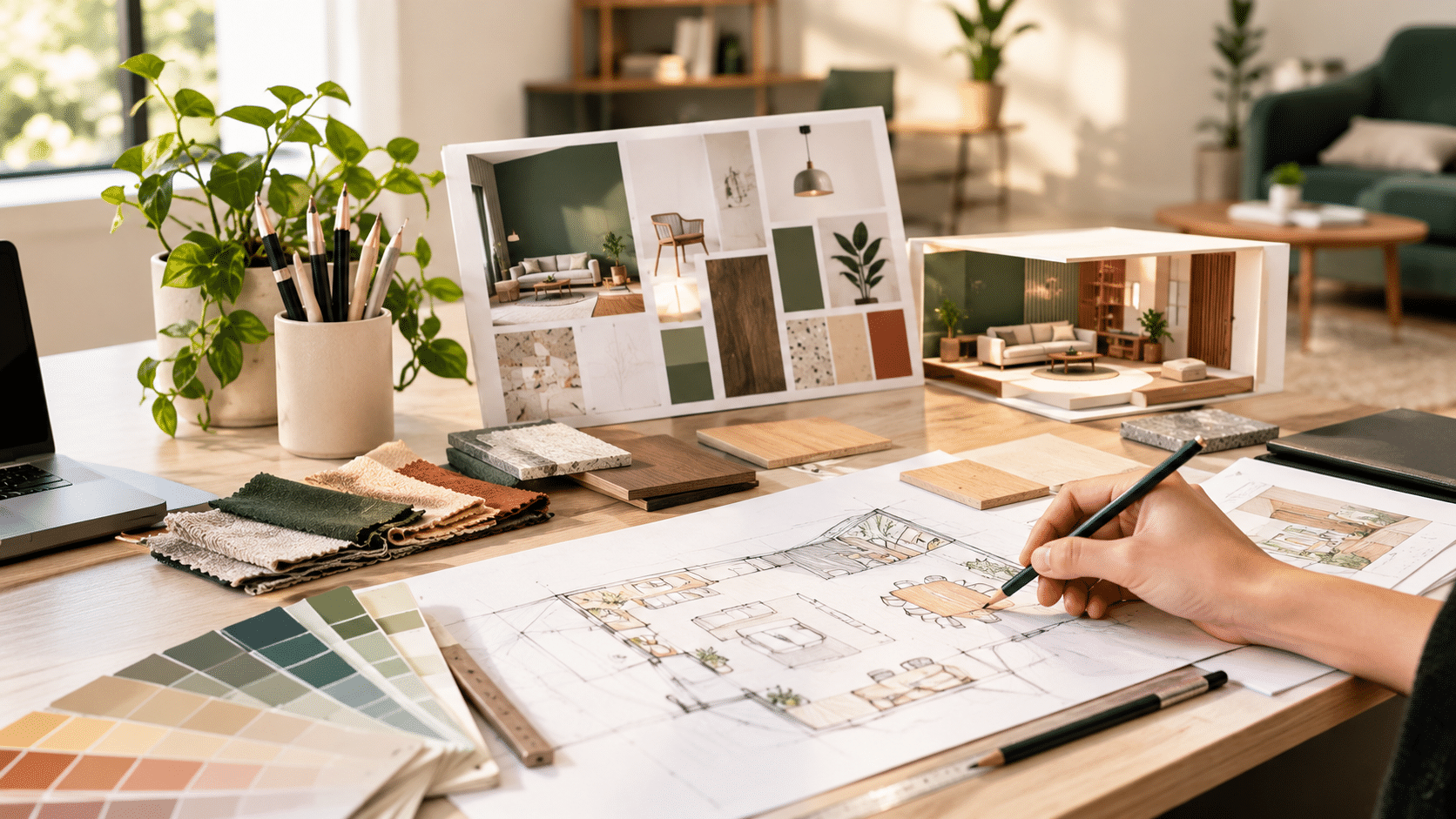
Have you ever entered a room and immediately felt comfortable, inspired, or relaxed? Sometimes, it is the natural light, the furniture arrangement, the colours, or even the smallest decorative detail that makes a space feel special. Creating that experience is what makes interior design so interesting.
For students who enjoy creativity, visual planning, and transforming ordinary spaces, a diploma in interior design in Indore can be a useful starting point for exploring this field. It offers an opportunity to understand how interiors are planned, how materials work together, and how design choices can improve the way people use a space.
However, interior design is about much more than choosing attractive furniture. It combines creative thinking with practical knowledge, careful planning, and an understanding of people’s everyday needs.
Interior Design Is More Than Decoration
One common misconception is that interior designers only select colours, curtains, furniture, and accessories. In reality, good interior design begins long before the decoration stage.
Designers consider how people move through a room, where natural light enters, how much storage is required, and whether the available space serves its purpose. They also think about proportions, materials, lighting, comfort, and functionality.
For example, a small bedroom may feel more spacious with thoughtful furniture placement, suitable lighting, and practical storage. Similarly, a living room can become more welcoming when its layout encourages conversation without restricting movement.
These decisions require observation, planning, and problem-solving. Therefore, students interested in interior design benefit from learning both the creative and technical sides of the subject.
What Can You Learn During an Interior Design Course?
A structured course can help students understand the basic principles behind successful interiors. Although the curriculum varies between institutes and programmes, several subjects are important when developing interior design skills.
1. Space Planning and Layouts
Space planning helps designers understand how to use an area effectively. Students learn to consider room dimensions, furniture placement, circulation, and the relationship between different areas.
As a result, they begin to understand why a well-planned room needs more than beautiful objects. Every element should serve a purpose.
2. Colours, Materials, and Textures
Colours can influence the atmosphere of a room, while materials and textures add depth and character. Learning how these elements work together helps students develop balanced design concepts.
For instance, wood, natural fabrics, glass, metal, and stone can create very different visual effects depending on how they are combined.
3. Lighting and Functionality
Lighting affects both the appearance and usability of an interior. Students can explore how natural light, general lighting, and focused lighting contribute to a space.
At the same time, they learn to consider practical needs such as visibility, comfort, and the activities taking place in each area.
4. Drawing and Design Presentation
Ideas need to be communicated clearly before they can become real spaces. Sketches, layouts, material selections, and visual presentations help explain a proposed design.
With regular practice, students can become more confident in developing concepts and presenting their ideas.
Why Practical Projects Matter
Reading about design principles is helpful, but applying them makes learning more meaningful. A student might understand colour theory in class; however, creating a room concept shows how colour choices interact with furniture, lighting, and materials.
Practical projects also give students the opportunity to experiment, identify mistakes, and improve their decisions. For example, a design may look attractive on paper but need adjustments to make movement easier or storage more useful.
This is why project-based learning, constructive feedback, and faculty guidance can play an important role in developing design skills.
At KID – Krishna Institute of Design in Indore, students can explore creative work and develop their understanding through projects, guidance, and portfolio-building activities. Prospective students should review the current programme details to understand its curriculum, facilities, and practical learning opportunities.
How to Choose the Right Diploma Programme
Choosing a course is an important decision, so it is worth looking beyond the programme name. A little research can help you understand whether the learning environment suits your interests and goals.
Before selecting a diploma in interior design in Indore, consider these factors:
- Course curriculum: Check whether the subjects cover essential design principles and practical applications.
- Project work: Look for opportunities to develop concepts and apply what you learn.
- Faculty guidance: Supportive feedback can help you understand your strengths and areas for improvement.
- Design tools and facilities: Find out what resources students can use during their studies.
- Portfolio development: Ask how students document their projects and present their creative work.
- Course duration and eligibility: Confirm the current requirements, schedule, and programme structure directly with the institute.
Comparing these details will help you make a more informed decision instead of choosing a course based only on advertisements or assumptions.
What Career Paths Can Interior Design Lead To?
Interior design can introduce students to several areas of creative work. Depending on their training, experience, interests, and additional skills, they may explore roles or further study related to interior design, space planning, furniture design, visualisation, design assistance, or styling.
Some people may eventually work with design studios, furniture businesses, architectural practices, or clients on residential and commercial projects. Others may choose to continue learning and develop a specialised area of interest.
However, completing a diploma does not automatically guarantee a job or a particular salary. Career opportunities depend on factors such as practical ability, portfolio quality, communication, experience, and the requirements of employers or clients.
Building skills consistently and keeping a record of completed projects can help students demonstrate what they are capable of doing.
Start Building Your Design Thinking Today
You do not need to wait until you join a course to begin exploring interior design. Start by observing the spaces around you. Notice how furniture is arranged, how daylight changes a room, and how different colours affect its overall appearance.
You can also sketch a simple room layout, collect material references, or try redesigning a corner of your home on paper. These small exercises can help you develop observation and problem-solving skills.
Ultimately, a diploma in interior design in Indore may be worth exploring if you enjoy creativity, planning, and finding practical solutions for everyday spaces. The right programme should give you opportunities to practise, receive guidance, learn from mistakes, and gradually develop your own approach to design.
Good interior design is not simply about making a room look beautiful. It is about creating spaces that feel comfortable, function well, and respond to the people who use them. With curiosity, consistent practice, and the right learning environment, you can begin turning an interest in interiors into a valuable creative skill.