From Classroom to Career: Why Practical Experience Matters for Future Designers
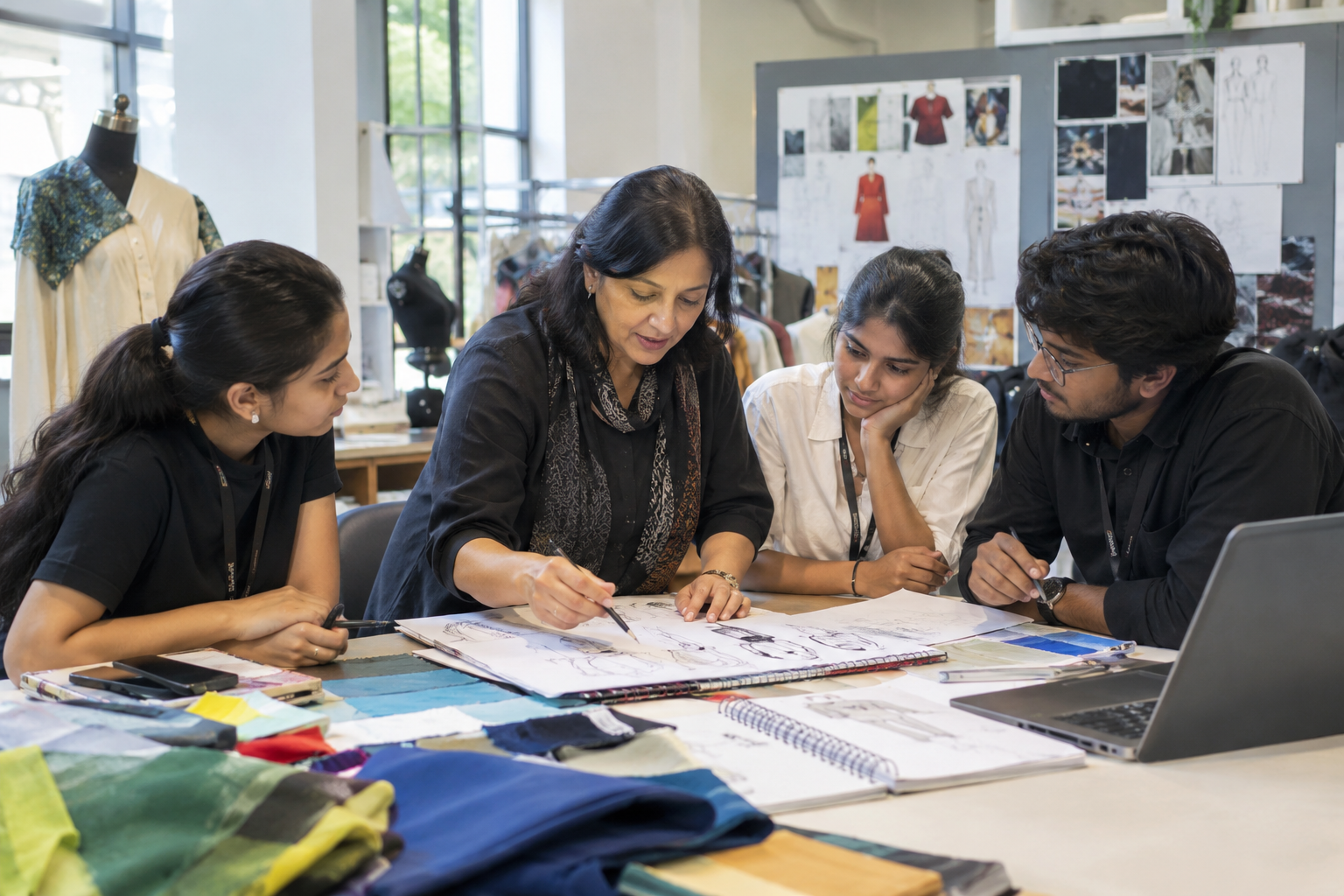
Why Practical Skills Matter in Design
Creative fields such as graphic design, fashion design, interior design, product design, animation, photography, and other visual professions are highly analytical and observation-based. Success in these industries requires more than theoretical knowledge. A designer needs practical experience, creativity, observation, technical skills, and the ability to understand people and their needs.
Since the design industry is passion-driven and constantly changing, students must be enthusiastic about learning, experimenting, and developing their skills.
Many students focus primarily on theory during college and pay less attention to practical learning. Although theoretical knowledge provides an important foundation, it may not be enough to prepare students for the challenges of professional life.
The real world requires designers to work with clients, understand deadlines, solve unexpected problems, communicate with teams, and turn ideas into practical solutions. This is why internships can play an important role in a student’s professional development.
Start Building Skills Early
Many enthusiastic students begin developing their skills from the early years of college. Some participate in workshops, freelance projects, competitions, college events, or part-time work while continuing their education.
These experiences can help students become more confident and independent. Starting early also gives students something extremely valuable: time to experiment and make mistakes.
Mistakes are a natural part of learning. When students experiment during their college years, they can understand what works and what does not without the pressure of a full-time professional career.
Every mistake can become a lesson that improves their creative thinking, technical abilities, and decision-making. Over time, these experiences can contribute significantly to professional growth.
How Internships Help Design Students
An internship is an opportunity to gain practical experience and understand how an industry actually works. Students can learn about their subjects in a professional environment and observe how experienced designers approach projects and solve problems.
Working with professionals and seniors can teach students proper workflows, communication methods, project management, client interaction, and professional discipline. It also provides an opportunity to understand how ideas move from an initial concept to a finished design.
Internships can also improve networking skills. During an internship, students may meet designers, creative directors, photographers, developers, clients, entrepreneurs, and other professionals. Building meaningful professional relationships can become valuable throughout their careers.
In some organizations, students who demonstrate dedication and strong performance may receive opportunities for further work, paid assignments, or full-time employment.
However, students should not consider an internship only as a way to obtain a job. The primary purpose should be learning, gaining exposure, understanding professional practices, and building confidence.
Where Can You Find Internships?
There are several ways for students to find internships. One of the easiest places to begin is their own college. Professors, teachers, placement departments, and alumni may know about organizations looking for interns.
Alumni networks can be particularly useful because former students understand the challenges faced by current students and may be willing to guide them.
Students can also approach design studios, agencies, architects, photographers, fashion houses, event companies, production houses, and other creative organizations directly.
A polite email or personal visit explaining your interest in learning can sometimes create opportunities that are not publicly advertised.
When approaching an organization, students should present themselves professionally. A simple portfolio containing college projects, personal experiments, sketches, photographs, illustrations, or other creative work can help demonstrate their abilities.
Even if the portfolio is small, it should reflect genuine interest and effort.
Gain Experience Through Real Projects
Design careers are highly practical. Students can learn a great deal by participating in real projects and observing professionals at work.
Events such as festivals, exhibitions, weddings, college functions, cultural programs, and local celebrations often require creative professionals.
Students can volunteer to help friends, family members, local organizations, or event organizers with design-related tasks. These experiences may involve creating invitations, posters, social-media graphics, decorations, presentations, photographs, or other visual materials.
Even small projects can provide valuable practical experience.
The digital era has also created new opportunities for aspiring designers. Social-media platforms such as Instagram and Facebook frequently feature advertisements and posts from companies and individuals looking for creative professionals, interns, freelancers, and part-time workers.
Students should regularly explore these opportunities while being careful to verify organizations and avoid fraudulent offers.
Suggestions From Experts
Before accepting an internship, students should speak with their professors or teachers. Experienced educators can help students understand whether an organization is suitable for their career goals and whether the work will provide meaningful learning opportunities.
Students should look for internships where they will actually be able to observe, participate, experiment, and learn.
An internship should not simply be a certificate for a résumé. The most valuable experience comes from working on real assignments, receiving feedback, making improvements, and understanding professional standards.
Build Your Future Through Experience
Ultimately, internships can become an important foundation for a designer’s professional journey. They can reduce the fear of entering the professional world by giving students an opportunity to experience it before graduation.
They help transform classroom knowledge into practical skills and allow young designers to understand their strengths, weaknesses, interests, and ambitions.
The design industry is competitive, but it is also full of opportunities for people who are willing to learn continuously.
Start early, remain curious, seek guidance, build relationships, experiment with your creativity, and take every genuine learning opportunity seriously.
Your first internship may not define your entire career, but the skills, lessons, mistakes, and experiences you gain from it can become valuable building blocks for a successful future in design.