The beauty of unfinished ideas: Why does every designer need to experiment?
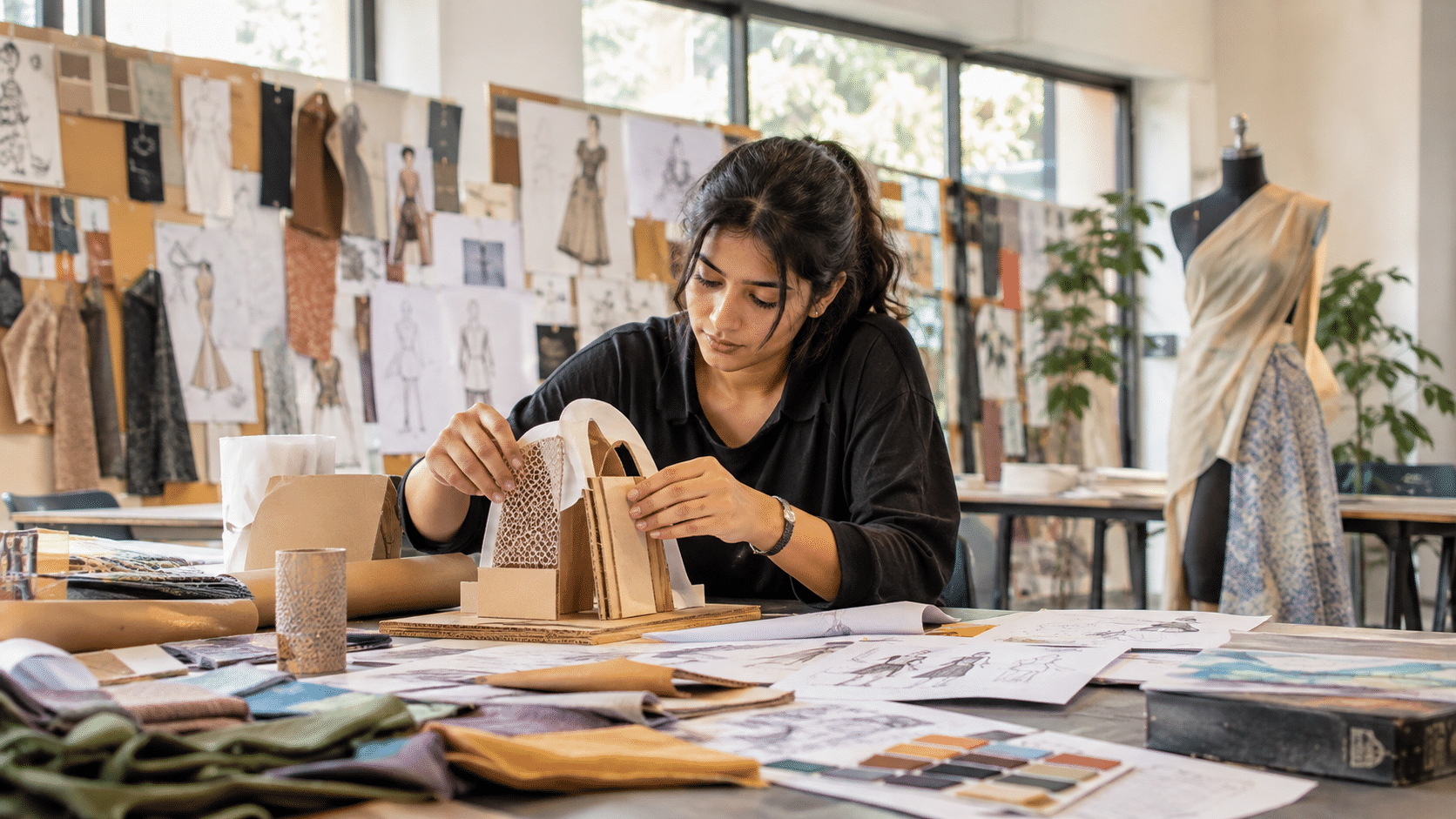
Break the pattern, create the future
Every great design begins with an idea, but its true beauty lies in the freedom to experiment.
Every designer experiences life differently. Some discover inspiration through personal experiences, while others find it through observation, travel, culture, and everyday situations. A designer might explore a traditional textile in a remote village, observe architectural patterns in an ancient city, or find inspiration in the colours of nature. These experiences become the foundation of creative ideas that can transform into meaningful designs.
The beauty of design lies in its ability to turn unfinished thoughts into something extraordinary. An incomplete sketch, an unusual combination of colours, or an unexpected material can become the beginning of a remarkable creation. These unfinished ideas hold immense potential, opening doors to new opportunities, creative growth, and successful careers.
Why is experimentation important in design?
Design is not simply about following established patterns or creating something visually attractive. It is about exploring possibilities, challenging conventional thinking, and discovering new ways to solve problems.
When designers experiment, they allow themselves to think beyond familiar boundaries. They combine different materials, explore unusual shapes, test new techniques, and develop original concepts. Sometimes, an experiment may not produce the expected result. However, even an unsuccessful attempt provides valuable knowledge that helps designers improve their next creation.
Experimentation encourages designers to move beyond repetition and develop their own creative identities. It allows them to discover what works, what does not, and what can be improved.
How does experimentation improve creativity?
Creativity grows through practice, observation, and continuous learning. When designers begin experimenting, they develop the confidence to explore unfamiliar ideas and approach challenges differently.
For example, an interior designer may experiment with recycled materials to create sustainable furniture. A fashion designer may combine traditional Indian textiles with contemporary silhouettes. Similarly, a jewellery designer may explore unconventional materials to create distinctive pieces.
These experiments can lead to fresh ideas, innovative products, and designs that attract new audiences. They also help designers understand the relationship between creativity, functionality, and the needs of people.
Experimentation is not limited to professional designers. Students and beginners can also benefit from exploring different techniques, creating multiple versions of a design, and learning through practical experience.
From unfinished ideas to remarkable careers
Every successful designer begins somewhere. The designers we admire today were once beginners who learned the basics, made mistakes, and gradually developed their skills.
The journey from an unfinished idea to a successful design requires patience, imagination, observation, and dedication. Designers must be willing to question their own work, accept feedback, and continuously improve their creative abilities.
In today’s evolving design industry, experimentation can also create opportunities in fashion, interior design, jewellery, animation, product design, and visual effects. Original ideas can become valuable innovations when they are developed with creativity and practical understanding.
Let your imagination explore
At Krishna Institute of Design, Indore, aspiring designers can embrace the importance of learning, creativity, and practical knowledge. Design education should encourage students to explore their imagination, experiment with ideas, and develop the confidence to create something meaningful.
Remember, an unfinished idea is not an incomplete achievement. It is an opportunity waiting to be explored.
Experiment, observe, imagine, and create. Because the next remarkable design may begin with an idea that is not yet finished.