Animation as a Career: What to Learn, Practice, and Build Before You Start
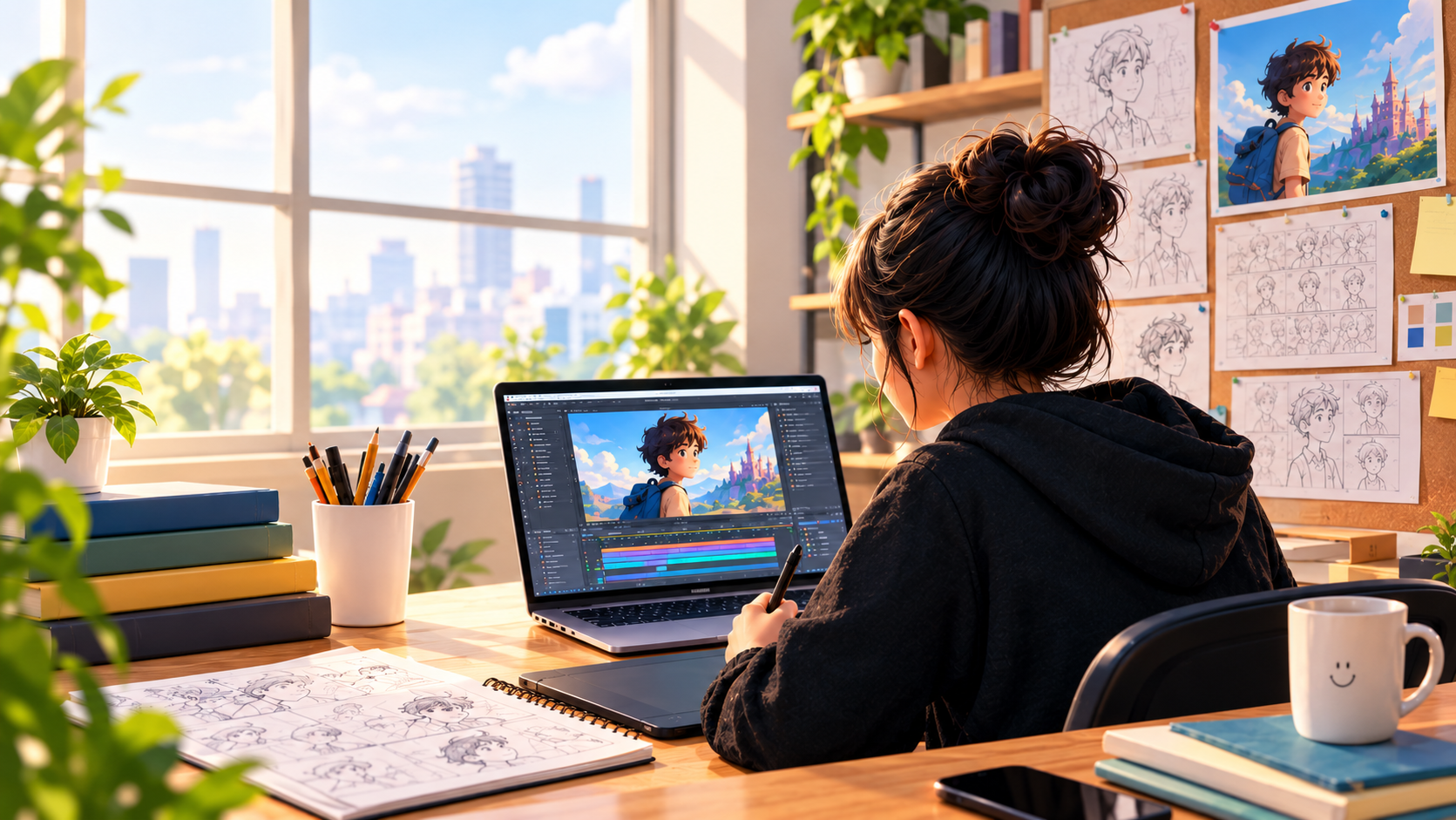
Animation has changed the way people experience stories, advertisements, games, films, educational content, and digital media. What once depended heavily on traditional drawing techniques is now a broad creative field supported by digital tools, visual effects, motion graphics, 2D and 3D techniques, and storytelling.
For anyone considering an animation course in Indore, the important question is not simply which software to learn. A better starting point is understanding the creative skills, practical experience, and portfolio work needed to grow in this field.
What Makes Animation an Interesting Career Choice?
Animation brings together creativity and technology. It allows an idea to move from a rough concept to a visual experience that people can see and understand.
An animator may work on character movements, advertisements, title sequences, explainer videos, game assets, short films, motion graphics, or visual effects. Because the field covers many areas, beginners can explore different creative directions before deciding where they want to specialise.
The work can also be rewarding for people who enjoy solving visual problems. Creating convincing movement or communicating an idea through a short sequence often requires both imagination and careful planning.
Start With Strong Creative Fundamentals
Software is an important part of modern animation, but it should not be the only focus. Strong fundamentals make digital tools much easier to understand and use effectively.
Some useful areas to explore include:
- Drawing and visual observation
- Colour and composition
- Character development
- Storyboarding
- Movement and timing
- Visual storytelling
- Basic design principles
- Scene planning
These skills help an animator make better creative decisions. For example, knowing how composition works can improve a scene, while understanding timing can make movement feel more natural.
Why Practical Projects Matter
Animation is difficult to learn only through theory. Creating actual work gives learners a chance to understand how ideas develop from the first concept to the finished result.
A beginner might start with a simple animated object, then move toward a character sequence, short motion graphic, or small storytelling project. Each project introduces a different challenge.
Practical work also teaches something that tutorials cannot always provide: how to identify mistakes and improve them.
At KID – Krishna Institute of Design, learners can explore creative projects, receive guidance, and develop practical work while building their understanding of animation and visual communication.
Choose the Area That Matches Your Interests
Animation is not limited to one type of work. Different areas require different approaches, so exploring them can help you find the direction that suits your interests.
2D Animation
2D animation focuses on creating movement within a two-dimensional visual space. It can be used for characters, storytelling, educational content, advertisements, and digital media.
3D Animation
3D animation involves creating and animating objects or characters within a three-dimensional environment. It is widely used across entertainment, games, advertising, and other digital applications.
Motion Graphics
Motion graphics combine graphic design with movement. Animated typography, promotional visuals, title sequences, and social media content are common examples.
Visual Effects
Visual effects can enhance footage or create elements that would be difficult to capture through traditional filming. This area often combines creative design with technical processes.
Exploring these areas before choosing a specialisation can help you understand where your strengths and interests lie.
Build a Portfolio While You Learn
A portfolio is one of the most useful outcomes of learning animation. It gives you a place to show what you can create instead of simply listing the software you know.
You do not need dozens of projects. A smaller collection of thoughtful work can communicate your skills more clearly.
Try to include different types of projects that demonstrate:
- Creative thinking
- Technical development
- Storytelling
- Attention to detail
- Understanding of movement
- Ability to complete a project
It is also useful to show selected stages of your work, such as sketches, storyboards, concepts, or development frames. These can help explain how you approach a creative problem.
Keep Improving Through Practice
Animation requires patience. Your first project may not look the way you imagined, and that is completely normal. Improvement usually comes from creating, reviewing, correcting, and trying again.
Set small goals instead of attempting a complicated project immediately. Animate a simple object. Experiment with timing. Create a short scene. Try a different visual style. Then use what you learn in your next project.
Regular practice can gradually improve both technical confidence and creative judgement.
What Should You Look for When Learning Animation?
Before choosing a learning environment, consider whether it gives you opportunities to practise rather than only listen to lectures.
Look for a course or institute where you can work on projects, receive useful feedback, explore different areas of animation, and develop a portfolio over time. Guidance can be particularly valuable during the early stages because it can help you understand where your work needs improvement.
It is also worth considering whether the learning environment encourages experimentation. Creative skills grow when you have enough freedom to test ideas, make mistakes, and develop your own approach.
Is Animation Right for You?
Animation can be a good direction for people who enjoy visual creativity, storytelling, technology, and continuous learning. You do not have to be an expert artist before starting. Curiosity, patience, observation, and a willingness to practise can be just as important.
The field also continues to offer different creative paths, which means you can gradually discover the type of work you enjoy most.
Start With One Idea
Learning animation does not happen overnight. It develops through fundamentals, experimentation, practical projects, feedback, and consistent practice.
If you are planning to begin your journey, focus first on understanding the basics and creating meaningful work. Explore different areas, build your portfolio, and allow your skills to develop naturally.
Every animated scene starts with an idea. With the right learning approach and regular practice, that idea can become the beginning of something much bigger.