What Can You Actually Do After Studying Fine Arts? Explore the Possibilities
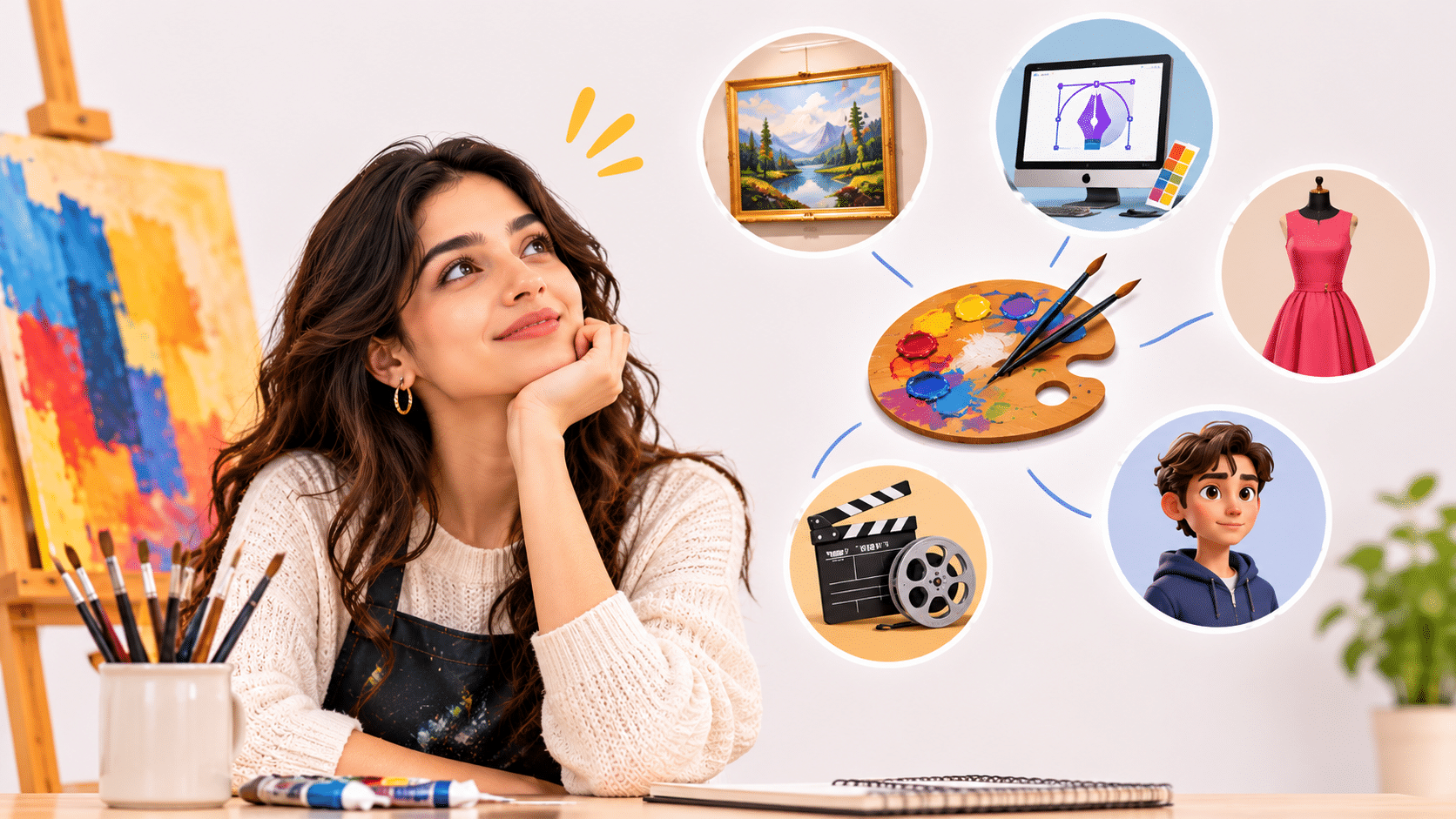
Have you ever looked at a painting, sketch, sculpture or creative artwork and wondered how someone turns such imagination into a profession? If you enjoy drawing, painting, experimenting with colours or creating something completely original, Fine Arts could open up an exciting world of opportunities for you.
Many students believe that studying Fine Arts simply means becoming a painter or an artist. However, the creative industry has grown far beyond traditional artwork. Today, artistic skills are valuable in advertising, illustration, digital media, animation, visual communication, education and several other creative fields.
So, what can you actually do after studying Fine Arts? What career opportunities are available, and how can you prepare yourself for the professional world? Let’s explore the possibilities.
1. Become a Professional Artist and Turn Ideas into Artwork
One of the most familiar career options after studying Fine Arts is becoming a professional artist. But being an artist involves much more than creating beautiful paintings. It is about developing your own creative identity, understanding different artistic techniques and expressing ideas through visual work.
Professional artists explore different mediums, including watercolours, acrylics, oil painting, charcoal, pencil sketches and mixed media. Some create original artwork for exhibitions and galleries, while others work on commissioned projects for individuals, businesses and creative organisations.
With experience and a strong portfolio, artists can also establish their own studios and build independent creative careers.
2. Explore the World of Illustration and Digital Art
Have you ever noticed the artwork used in children’s books, magazines, advertisements, websites or digital campaigns? Much of it is created by illustrators.
Illustration is an exciting field where artistic imagination meets communication. Illustrators create visuals that help explain stories, represent ideas and make information more engaging.
Students with a Fine Arts background can explore traditional illustration as well as digital art using modern creative software. Opportunities can be found in publishing, advertising, entertainment, gaming and digital content creation.
As brands and online platforms continue to invest in visual communication, creative illustrators have opportunities to work on a wide range of projects.
3. Build a Career in Graphic Design
Fine Arts also provides a strong creative foundation for students interested in graphic design. Understanding colours, shapes, composition and visual balance can help artists develop effective communication designs.
Graphic designers use these skills to create logos, posters, brochures, social media creatives, packaging and brand identities. Their work helps businesses communicate messages and connect with their audiences.
For students who enjoy combining artistic creativity with technology, graphic design can be an interesting direction to explore. Learning professional design tools and understanding current visual trends can further strengthen their skills.
4. Discover Opportunities in Animation and Digital Media
The entertainment and digital media industries offer another interesting direction for creative students. Animation combines artistic skills, storytelling and technology to bring characters, objects and imaginary worlds to life.
Fine Arts students who enjoy drawing characters, creating visual concepts and experimenting with different artistic styles may find animation and related creative fields worth exploring.
Career possibilities include concept artist, storyboard artist, background artist and digital illustrator. With additional specialised training, students can also explore animation production and visual effects.
This field is especially interesting for people who enjoy turning imagination into something audiences can see on screen.
5. Explore Art Direction and Creative Advertising
Have you ever wondered who decides the visual style of an advertisement, campaign or brand? Art directors play an important role in shaping these creative ideas.
They work with designers, photographers, writers and other creative professionals to develop the overall visual direction of a project.
A strong understanding of artistic principles, colour combinations, composition and visual storytelling can help students build a foundation for this field. With professional experience and additional design knowledge, Fine Arts graduates can explore opportunities in advertising agencies, media companies and creative studios.
6. Become an Art Teacher or Creative Educator
If you enjoy sharing knowledge and helping others discover their creative abilities, art education could also be a rewarding career direction.
Art teachers and creative educators introduce students to drawing, painting, art techniques and creative thinking. They help learners understand different artistic approaches while encouraging experimentation and self-expression.
Students interested in teaching can explore suitable educational qualifications and specialised training required for their chosen teaching roles.
Beyond schools, opportunities may also exist in art workshops, private studios, community programmes and creative learning centres.
7. Start Your Own Creative Business
Not every Fine Arts student needs to follow a traditional job path. Some artists prefer to create their own opportunities by starting an independent creative business.
You could establish an art studio, sell original paintings, create commissioned illustrations, offer creative workshops or develop a personal art brand.
Digital platforms have also made it easier for artists to showcase their work, connect with potential clients and reach audiences beyond their local area.
However, building an independent career requires more than artistic ability. Communication, presentation, consistency, pricing and business understanding are equally important.
What Skills Should You Develop During Your Fine Arts Education?
Choosing Fine Arts is the beginning of a creative journey, but developing professional skills is what helps turn your interest into practical opportunities.
Students should focus on improving their drawing abilities, understanding colour theory, exploring different artistic mediums and learning how to develop original concepts. Experimenting with different styles is equally important because it helps individuals discover their strengths and creative identity.
Another important aspect is portfolio development. A portfolio is a collection of your best creative work that demonstrates your abilities, ideas and progress. It can help you present your skills when applying for further education, internships, freelance projects or creative opportunities.
Practical assignments, guidance from experienced faculty and regular creative projects can make this learning journey more meaningful.
Why Choosing the Right Fine Arts Institute Matters
Your learning environment can make a significant difference in how you develop as an artist. A good Fine Arts institute should encourage creativity, provide opportunities to experiment and help students understand the practical side of artistic work.
At Krishna Institute of Design (KID), Indore, students can explore their creative interests through artistic learning, practical assignments and faculty guidance. The focus is on encouraging students to develop their ideas, improve their creative abilities and gain exposure to different areas of design and art.
For students searching for Fine Arts courses in Indore, exploring the learning approach, course structure, practical exposure and opportunities to develop a portfolio can help them make a more informed decision.
The right education should not limit your imagination. Instead, it should help you understand your creative potential and discover different ways to use it.
Is Fine Arts a Good Career Choice After 12th?
If you have recently completed your 12th and are still exploring career options, Fine Arts is worth considering if you have an interest in creativity, visual expression and artistic experimentation.
You do not need to have a perfectly developed artistic style before beginning your learning journey. What matters is your willingness to practise, observe, experiment and improve.
The field offers several directions, from traditional painting and illustration to graphic design, digital art and creative media. Your interests, chosen specialisation, educational qualifications and practical experience will influence the opportunities available to you.
Before selecting a programme, take time to understand its curriculum, practical training and future learning opportunities.
Final Thoughts: Your Creativity Could Be the Beginning of Something Bigger
Studying Fine Arts is not limited to learning how to draw or paint. It is about developing the ability to observe the world differently, communicate ideas visually and transform imagination into meaningful creative work.
Whether you dream of becoming a professional artist, illustrator, graphic designer, art educator or independent creator, the possibilities are worth exploring.
Your creative journey does not have to follow a single direction. With the right learning environment, consistent practice and a willingness to experiment, you can discover a path that matches your interests and ambitions.
Sometimes, the career you are looking for begins with the creativity you already have.