Skills every design student should develop before graduation
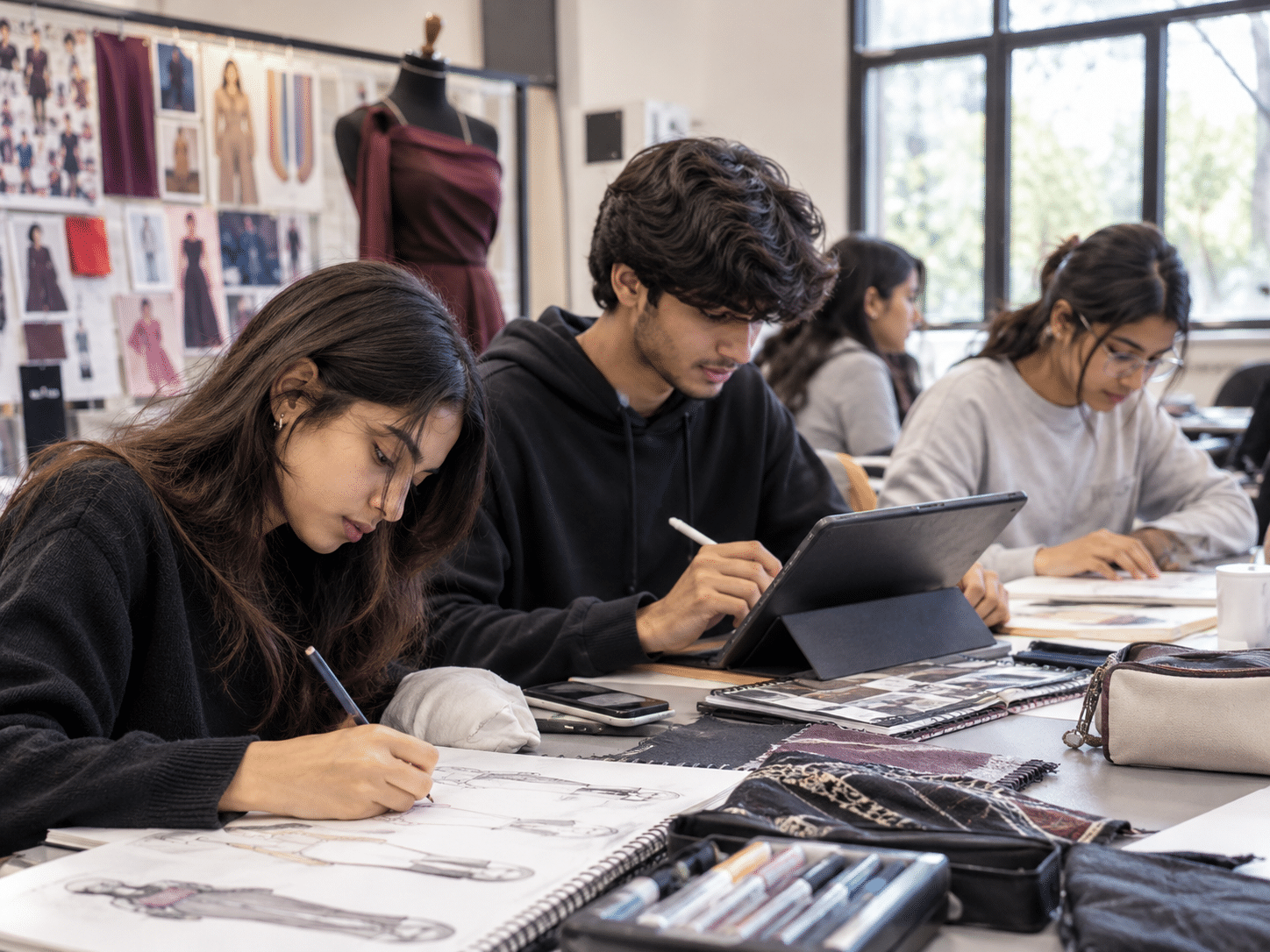
Education plays an important role in building knowledge, expertise and confidence. For design students, academic learning is only the beginning of a successful career. The design industry is constantly evolving, and students need to develop practical skills, creative thinking and professional knowledge to establish themselves in this competitive field. Graduation provides an important qualification, but the skills developed during these academic years can make a significant difference in their professional journey.
Before completing their graduation, design students should focus on developing certain essential skills that can help them become confident and capable designers. These skills go beyond textbooks and classroom assignments. They involve understanding the world, observing society, exploring new ideas and continuously improving their creative abilities.
Develop strong creative and design skills
Creativity is the foundation of every successful designer. Students should regularly practise creating designs, experimenting with different concepts and exploring new styles. Whether they are studying fashion, interior, jewellery, graphic or gaming design, developing a unique creative approach is essential.
Instead of following existing trends all the time, students should learn how to develop their own design identity. Practising different techniques, working on creative assignments and experimenting with materials can help them improve their abilities. Consistent practice also builds confidence and prepares students to handle professional projects.
Learn to observe society and understand trends
Good designers are excellent observers. They understand how people think, what they prefer and how their surroundings influence their choices. Observing everyday life, architecture, clothing, advertisements, technology and cultural changes can provide inspiration for new designs.
Students should also follow changing industry trends, emerging technologies and customer preferences. However, understanding trends does not mean blindly copying them. It means identifying new opportunities and using that knowledge to create meaningful and innovative designs.
Build technical and digital skills
The design industry increasingly depends on digital tools and advanced technologies. Students should become familiar with software and technical applications relevant to their specialisation.
For example, graphic design students can learn professional editing and illustration software, while interior designers can develop expertise in 3D modelling and visualisation tools. Fashion and jewellery students should also explore digital designing, computer-aided design and modern production techniques.
Technical knowledge helps students transform their creative ideas into practical outcomes and makes them better prepared for industry requirements.
Gain practical experience through projects and internships
Classroom knowledge becomes more valuable when students apply it to real-world situations. Before graduation, students should participate in workshops, internships, competitions and collaborative projects.
Working on practical assignments helps them understand deadlines, client expectations, teamwork and professional responsibilities. It also gives them an opportunity to identify their strengths and improve areas where they need more experience.
Building a portfolio of completed projects is equally important. A strong portfolio demonstrates creativity, technical knowledge and the ability to turn ideas into finished work.
Seek guidance from experienced mentors
Learning from experienced professionals can help students understand the realities of the design industry. Mentors can provide valuable feedback, suggest improvements and guide students towards better career opportunities.
Students should actively participate in discussions, attend industry events and seek constructive criticism. Rather than treating feedback negatively, they should use it as an opportunity to improve their work and develop a professional mindset.
Develop communication and problem-solving skills
Design is not only about creating attractive visuals. Designers must understand problems and develop solutions that meet practical requirements.
Students should learn how to communicate their ideas clearly, present their concepts and understand client requirements. Teamwork, time management, adaptability and decision-making are equally important skills that help designers succeed in professional environments.
conclusion
A successful design career requires more than an academic qualification. Students who develop creativity, technical expertise, observation, communication and practical experience before graduation have a stronger foundation for their future.
The design industry offers opportunities across fashion, jewellery, interiors, graphics and gaming. However, professional growth depends on continuous learning, experimentation and the willingness to improve.
Institutions such as Krishna Institute of Design can play an important role in helping students build these capabilities through academic learning, practical exposure and creative exploration. Ultimately, students who start developing these skills during their education can enter the professional world with greater confidence, a stronger portfolio and a clear vision for their design careers.