The rise of Gender-Neutral fashion: Designing beyond boundaries
Breaking Fashion Boundaries
There was a time when fashion was strongly associated with gender. Clothing styles, patterns, colours, and designs were traditionally defined by society. Men and women were expected to dress differently, and these expectations were deeply connected to cultural values and traditions. Fashion was not just about personal choices; it also reflected social identity, regional heritage, and established customs.
India is a perfect example of this diversity. Every state has its own traditional clothing, reflecting its culture, climate, and lifestyle. Men traditionally wore dhotis, kurtas, turbans, and pagdis, while women wore sarees, salwar suits, lehengas, and other regional outfits. From Rajasthan’s colourful traditional attire to the beautiful silk sarees of South India, every region has its own identity. These clothing styles have been passed down through generations, making Indian fashion rich in history and cultural significance.
However, fashion is constantly evolving. Today, gender-neutral fashion is bringing a significant change to the way people look at clothing. Instead of dividing outfits into men’s and women’s categories, this approach focuses on comfort, creativity, personal expression, and individual choices. Clothing is no longer restricted by traditional gender expectations.
How Gen Z is changing fashion boundaries ?
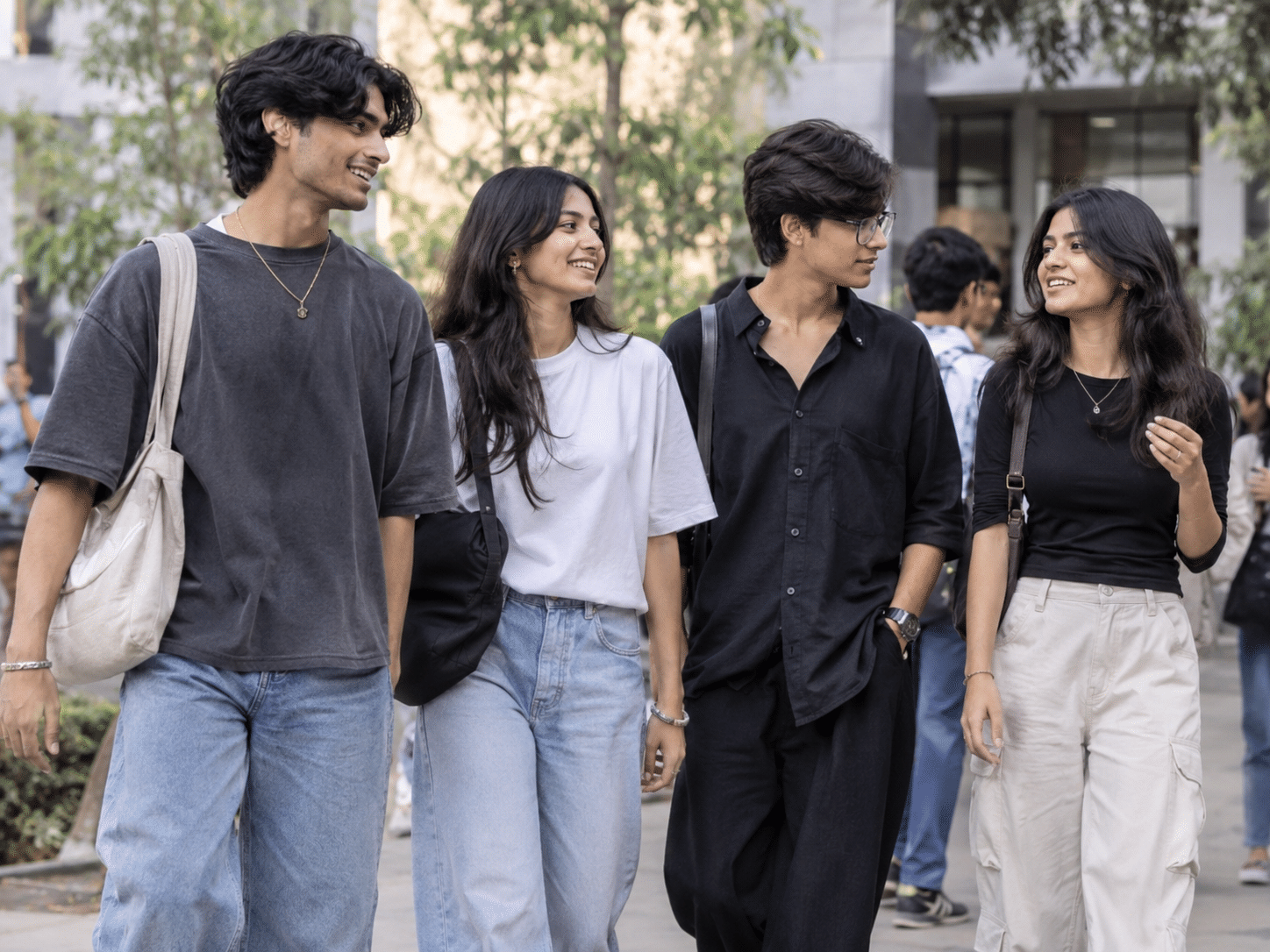
The Gen Z generation has played an important role in making gender-neutral fashion popular. Young people are increasingly experimenting with their appearance, trying different styles, and moving beyond traditional clothing expectations. Oversized T-shirts, straight-fit jeans, shirts, jackets, sneakers, and relaxed-fit trousers are now commonly worn by people regardless of gender.
Fashion choices are becoming more flexible. A shirt is no longer considered exclusively men’s clothing, and certain styles of trousers, jackets, or accessories are not limited to women. From hairstyles and haircuts to footwear and clothing patterns, people are exploring different ways to express themselves.
Social media, international fashion trends, celebrities, and digital platforms have also contributed to this transformation. People are exposed to different cultures and fashion ideas, encouraging them to experiment with their personal styles. This change is particularly visible in urban areas, where younger generations are more open to modern and inclusive fashion.
How designers are redefining fashion ?
Designers are now looking beyond traditional gender categories while creating new collections. Instead of designing separate clothing lines for men and women, many are experimenting with shared comfortable fabrics, neutral colours, and versatile patterns.
For example, oversized shirts, unisex jackets, relaxed trousers, hoodies, and simple everyday clothing can be designed for everyone. The focus is shifting towards how an outfit fits, feels, and looks rather than who is expected to wear it.
This creates new opportunities for fashion designers. They can experiment with shapes, textures, colours, fabrics, and patterns without limiting their creativity to conventional gender categories. It also encourages designers to understand changing customer expectations and develop collections that appeal to a wider audience.
Gender-Neutral fashion and sustainable design
One of the interesting advantages of gender-neutral fashion is its potential to support sustainable clothing practices. When certain clothing styles can be worn by everyone, brands may have opportunities to create more versatile collections and reduce unnecessary product variations.
For example, a simple oversized shirt, jacket, or pair of trousers can appeal to different customers. Such designs can encourage people to reuse, share, and style their existing clothes in multiple ways. This can help reduce unnecessary purchases and contribute to more responsible fashion consumption.
However, sustainability depends on how garments are produced, the quality of materials, manufacturing practices, and how long people use their clothing. Gender-neutral design alone cannot eliminate fashion waste, but it can become one part of a more thoughtful approach to fashion.
The future of Gender-Neutral fashion in India
The popularity of gender-neutral fashion is gradually expanding beyond metropolitan cities. Tier-2 cities are also experiencing changes as younger consumers become more familiar with modern fashion trends through social media, online shopping, and international influences. In the coming years, these ideas may reach more smaller towns and communities as fashion becomes increasingly accessible.
India has a unique opportunity to combine its traditional textile heritage with modern gender-neutral designs. Handloom fabrics, khadi, cotton textiles, traditional prints, and regional embroidery can be incorporated into contemporary clothing that appeals to everyone.
The future of fashion is not simply about changing what people wear; it is about changing how designers think. Gender-neutral fashion encourages creativity, inclusivity, and freedom of expression. For aspiring designers, it opens the door to new ideas and opportunities to create clothing that goes beyond boundaries.
Fashion should not be limited by labels. It should reflect creativity, comfort, culture, and the freedom to express yourself.