The Art of Creating New Worlds: How Animation Turns Imagination into Reality
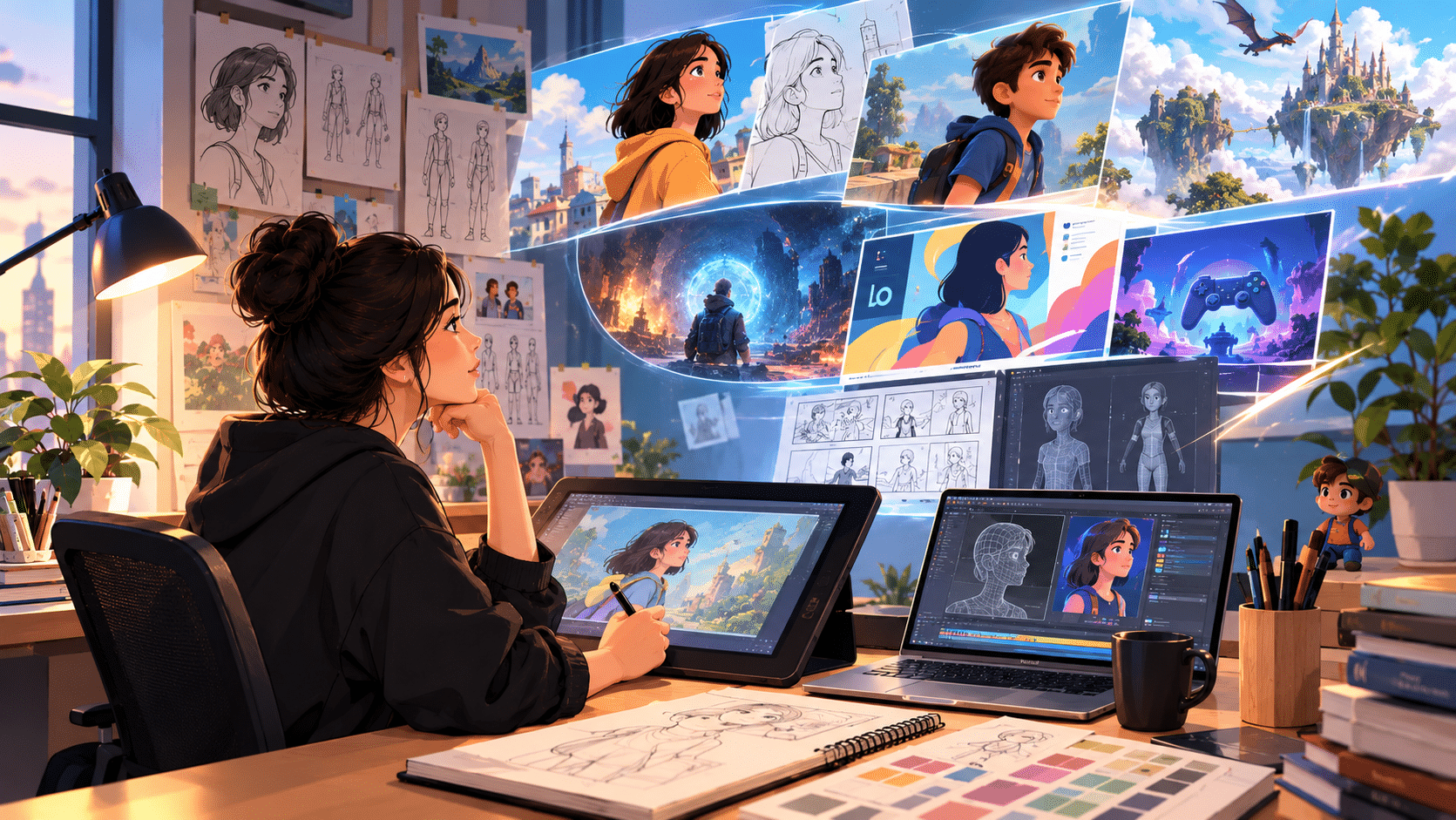
Have you ever watched an animated film and wondered how an ordinary drawing becomes a character full of emotion? Or how imaginary places, incredible creatures, and impossible scenes appear so believable on screen? Behind these experiences is a fascinating combination of art, technology, patience, and storytelling.
Animation has grown far beyond traditional cartoons. Today, it contributes to films, video games, advertisements, educational content, digital platforms, and immersive experiences. Every animated scene begins with an idea, but bringing that idea to life requires creative thinking and practical skills.
For students who enjoy drawing, designing characters, exploring technology, or telling stories visually, animation can open the door to an exciting creative journey. The first step is understanding how the field works and what it takes to become part of it.
Animation Is Where Art Meets Technology
Animation is not simply about making pictures move. It is about creating movement that communicates a feeling, develops a character, or tells a story.
Think about a character walking across a screen. The way the character moves can show confidence, fear, excitement, or sadness. Even a small change in expression can make a scene feel completely different.
Creating these moments involves several artistic principles, including timing, composition, colour, movement, and visual storytelling. Digital tools help artists bring their ideas together, but understanding these fundamentals gives the work its personality.
This combination of creativity and technology makes animation an interesting field for students who enjoy both artistic and digital activities.
5 Exciting Areas to Explore in Animation
Animation offers different specialisations, allowing students to discover the kind of creative work they enjoy most.
1. 2D Animation: Giving Drawings a Personality
2D animation brings illustrations to life through sequences of images. Artists develop characters, expressions, actions, and scenes that work together to tell a story.
It is used in animated series, advertisements, educational videos, and digital storytelling. A strong understanding of drawing, movement, and timing can help you develop in this area.
2. 3D Animation: Building Characters and Digital Worlds
3D animation allows artists to create digital characters, objects, and environments with depth and dimension.
The process may include modelling, texturing, rigging, lighting, and animation. These techniques are used in films, games, product presentations, and other visual productions.
3. Visual Effects: Creating What Cameras Cannot Capture
Visual effects, or VFX, combine digital imagery with filmed footage or other visual elements. They can create imaginary environments, atmospheric effects, realistic simulations, and cinematic scenes.
VFX artists work with techniques such as compositing, tracking, and digital effects to make different elements appear as one complete visual.
4. Motion Graphics: Making Visual Communication More Engaging
Motion graphics combine text, shapes, illustrations, and movement. They are commonly seen in brand videos, advertisements, title sequences, presentations, and social media content.
This area can be especially interesting for students who enjoy graphic design and want to explore animation as another form of visual communication.
5. Game Art and Character Design: Creating Interactive Experiences
Video games depend on characters, environments, objects, and visual details to create engaging worlds.
Artists may work on character concepts, environment design, props, and animated sequences. This area brings together imagination, visual design, and an understanding of interactive experiences.
How New Technology Is Changing Animation
The creative industry continues to explore new production methods. Real-time rendering allows artists to preview scenes more quickly, while virtual production combines digital environments with filmmaking techniques.
AI-assisted tools are also becoming part of some creative workflows. They can support early concept exploration and selected production tasks. However, they do not remove the need for artistic judgement, storytelling, design knowledge, and careful creative decisions.
For students, this means learning how to adapt is important. Instead of focusing only on one software package, develop strong fundamentals and understand why different tools are used.
The most valuable starting point is learning to create something meaningful, not simply learning to operate a computer programme.
Choosing the Right Animation Institute in Indore
If you want to turn your interest into a professional skill, selecting a suitable learning programme is an important decision.
When searching for the best animation institute in Indore, look beyond promotional claims. A good course should offer a clear curriculum, practical assignments, useful feedback, and opportunities to develop a portfolio.
Here are some important things to consider:
- Course curriculum: Check whether subjects such as 2D animation, 3D modelling, VFX, and motion graphics match your interests
- Practical learning: Find out whether students work on projects instead of relying only on theory
- Faculty guidance: Look for opportunities to receive feedback and improve your creative work
- Software exposure: Understand which digital tools and techniques are included in the programme
- Portfolio development: Ask how students build and present their completed projects
- Course details: Confirm eligibility, duration, fees, facilities, and the qualification offered
Students exploring creative education in Indore can also contact Krishna Institute of Design (KID) to request current information about relevant programmes and admission details.
Take time to compare your options. The right learning environment should encourage experimentation, help you develop practical abilities, and support your creative goals.
Build a Portfolio That Shows What You Can Create
In animation, your work is an important way to communicate your abilities. A portfolio brings together selected projects and shows how you approach visual challenges.
You can begin with small exercises. Animate a bouncing ball, create a character expression sheet, design a simple 3D object, or make a short motion graphics sequence.
As you gain experience, try projects that combine multiple skills. For example, develop a character, create a background, plan a short scene, and animate a simple action.
Keep your strongest work organised and show the development process where useful. A carefully selected portfolio can communicate your creativity, technical progress, and attention to detail.
Remember, you do not need to create a masterpiece on your first attempt. Improvement comes through practice, observation, and constructive feedback.
What Career Opportunities Can Animation Offer?
Once you develop relevant skills and practical experience, you can explore several professional directions:
- 2D or 3D animator
- Character designer
- 3D modeller
- VFX artist
- Motion graphics designer
- Storyboard artist
- Game artist
Some professionals work with animation studios, gaming companies, advertising agencies, or production teams. Others explore freelance assignments and independent creative projects.
Your opportunities will depend on your specialisation, portfolio, experience, and the skills employers or clients require. Continuous learning is important because creative tools and production methods keep evolving.
Your Imagination Deserves a Bigger Stage
Every memorable animated scene begins with someone imagining something that does not yet exist. It could be a character, a new world, a visual effect, or a story that connects with an audience.
If you enjoy creating, experimenting, and learning new digital skills, animation may be worth exploring. Start with the basics, practise regularly, and discover which area interests you most.
You do not have to know everything today. You only need the curiosity to begin and the determination to keep improving.
The next world people admire on screen could begin with an idea that exists only in your imagination today.