Is Fine Arts a Smart Career Choice in 2026? Discover How to Turn Creativity into Your Future
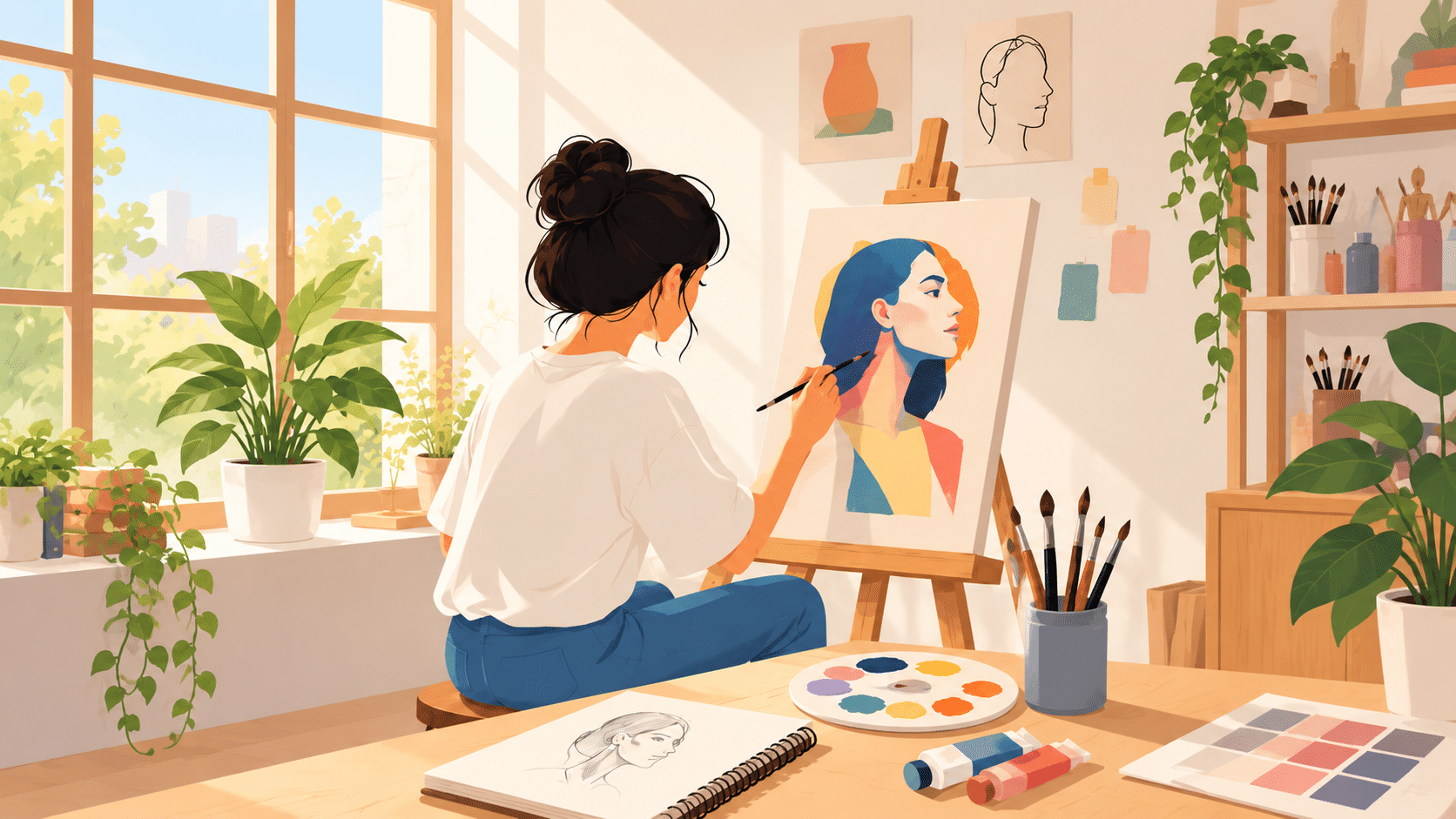
Have you ever looked at an ordinary object and imagined turning it into something extraordinary? Perhaps you enjoy sketching, painting, experimenting with colours, or expressing your thoughts through art. If so, fine arts could be more than a hobby. It could be the beginning of a creative career.
For many students, choosing a career after 12th is challenging. They want to follow their interests but also need to understand the opportunities available in the future. Fine arts offers a way to explore creativity, develop practical skills, and discover different professional directions.
In 2026, artistic skills can be useful across traditional art, digital illustration, advertising, visual communication, animation, and other creative industries. The important step is learning how to develop your interests into skills that have real-world value.
What Is Fine Arts and Why Is It Still Relevant?
Fine arts is a field that encourages people to express ideas, emotions, and observations through visual and creative forms. It can include drawing, painting, sculpture, printmaking, illustration, and other artistic practices.
However, learning fine arts is not only about producing beautiful artwork. Students also learn to observe details, understand composition, experiment with materials, and communicate ideas visually.
These abilities can be valuable in many settings. An artist might create original paintings, an illustrator might develop visuals for a publication, or a concept artist might help shape characters and environments for digital entertainment.
Fine arts also encourages independent thinking. Instead of always following an existing example, students learn to explore possibilities and develop their own creative approach.
5 Career Opportunities Students Can Explore After Fine Arts
One of the most interesting aspects of fine arts is that it can lead in several directions. Your options will depend on your specialisation, skills, experience, and further training.
1. Professional Artist
If you enjoy creating original artwork, you can explore a career as a painter or independent visual artist. Artists may exhibit their work, accept commissions, participate in exhibitions, or sell artwork through suitable online and offline channels.
Building a professional practice takes patience. Developing a recognisable style, understanding your audience, and consistently producing quality work can help you progress over time.
2. Illustrator and Concept Artist
Illustrators create images that support stories, publications, advertising campaigns, and digital content. Concept artists develop visual ideas for characters, objects, and environments used in areas such as animation, films, and games.
Students interested in these roles can begin with regular drawing practice, observation exercises, character sketches, and digital illustration.
3. Graphic and Visual Communication Designer
Creative businesses need visuals to communicate messages clearly. Graphic designers work on posters, branding, packaging, editorial layouts, and digital graphics.
A fine arts foundation can support this work by developing an understanding of colour, composition, form, and visual balance. Students interested in commercial design should also learn relevant software and design principles.
4. Animation and Digital Art Professional
Digital entertainment creates opportunities for people who can develop characters, backgrounds, visual concepts, and illustrations. Depending on additional training, students may explore animation, storyboarding, digital painting, or game art.
A strong foundation in drawing and visual storytelling can be useful, but technical skills and practice with appropriate tools are also important.
5. Art Educator or Creative Entrepreneur
Students who enjoy sharing knowledge may eventually explore art education after meeting the relevant qualifications. Others may build independent creative businesses offering artwork, workshops, illustration services, or commissioned projects.
These paths require more than artistic ability. Communication, planning, professional relationships, and financial awareness also play important roles.
How to Develop Your Artistic Skills from the Beginning
You do not need to create a masterpiece on your first attempt. The best way to improve is to practise consistently and understand what each exercise teaches you.
Start with basic drawing, shapes, proportions, shading, and colour combinations. Observe everyday objects and try sketching them from different angles. Experiment with different materials and study how light changes the appearance of surfaces.
Once you feel more comfortable, create small projects with a purpose. Paint a landscape, illustrate a short story, design a poster, or develop a series of artworks around one theme.
Review each project carefully. What worked well? Which areas need improvement? What would you change if you created it again?
Keeping these projects together will help you track your progress and gradually build a portfolio.
Why Choosing the Right Fine Arts Institute Matters
A supportive learning environment can make a meaningful difference to your development. When searching for a fine arts institute in Indore, look beyond attractive advertisements and consider the learning experience offered.
Check the curriculum, practical assignments, faculty guidance, available materials, studio facilities, and opportunities to display or discuss your work. Ask how students receive feedback and whether they are encouraged to experiment with different techniques.
You should also understand the exact qualification offered, course duration, eligibility requirements, and possible progression routes before taking admission.
Krishna Institute of Design (KID) is one option students in Indore can explore when researching creative education. Compare the available programmes with your interests and ask for current course details to determine whether the learning experience suits your goals.
The right choice should help you develop your skills step by step, rather than make you feel that you must already be an accomplished artist.
Build a Portfolio That Shows Your Progress
A portfolio is a collection of work that demonstrates your artistic development. It may contain sketches, paintings, illustrations, experiments with materials, and selected digital projects.
Do not include artwork simply to make the collection larger. Choose pieces that show different abilities and explain the thinking behind important projects.
You can also include early sketches alongside improved versions to demonstrate how you respond to feedback. This helps present your willingness to learn as well as your current skills.
As your experience grows, your portfolio can become useful when applying for further study, creative projects, internships, or professional opportunities.
Your Creativity Deserves a Chance
Fine arts can be a rewarding direction for students who enjoy creating, observing, and expressing ideas. However, progress depends on consistent practice, suitable training, realistic planning, and a willingness to keep learning.
You do not have to know exactly where your artistic journey will lead before you begin. Start by exploring your interests, learning the fundamentals, and completing one project at a time.
Your first sketch may be simple, and your first painting may need improvement. That is part of the process.
Creativity becomes a stronger career foundation when imagination meets practice, patience, and purpose.