Why do small homes need smarter design, not bigger budgets ?
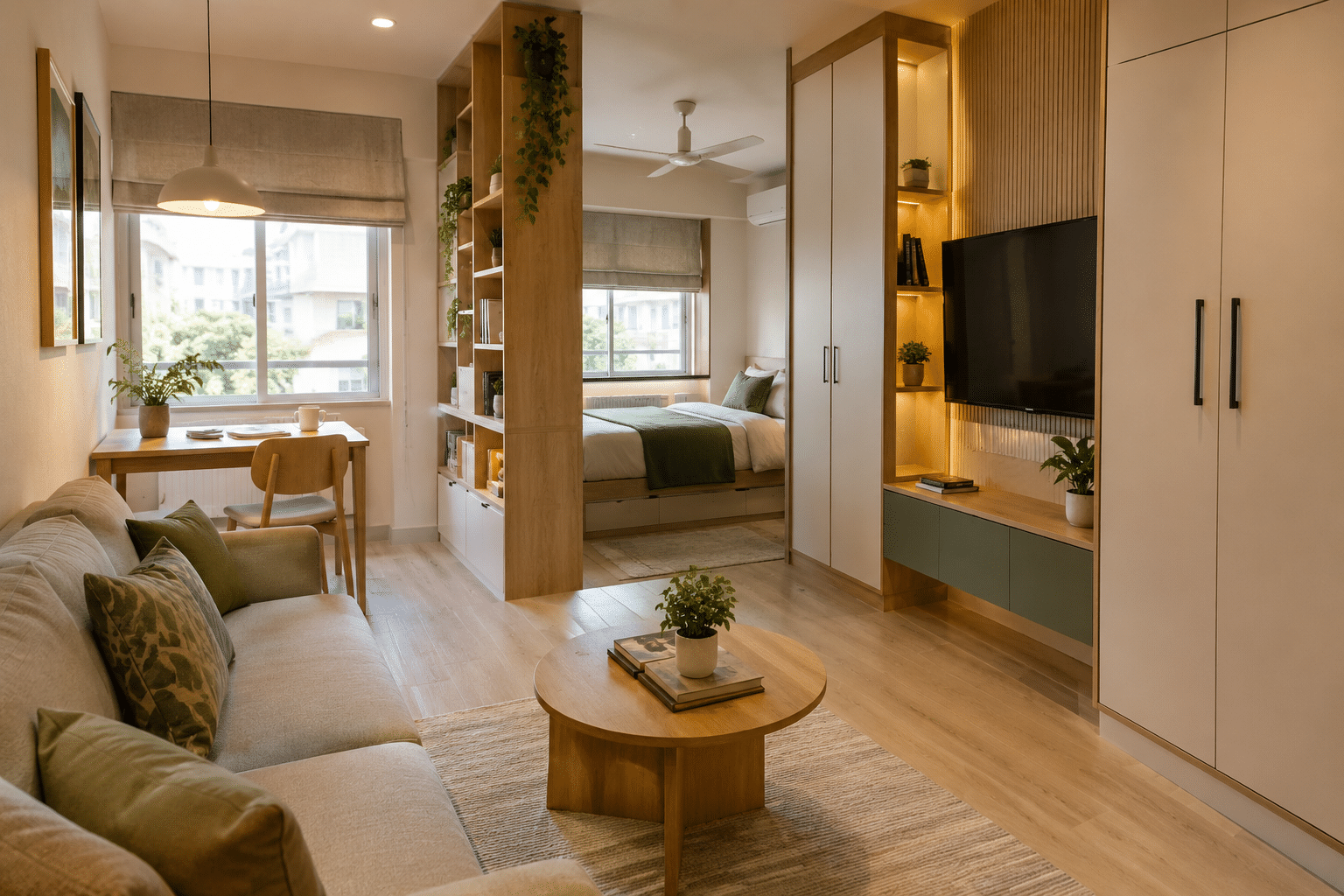
Interior design has become an important part of modern living. In the past, many Indian households preferred simple interiors, practical furniture, and traditional layouts. However, changing lifestyles, urbanisation, and new design trends have transformed the way people plan and decorate their homes. Today, homeowners want their living spaces to look beautiful, feel comfortable, and make the best use of every available corner.
In India, interior design is no longer limited to luxury apartments and expensive villas. It has become increasingly relevant to middle-class families living in compact homes. As housing costs rise and urban spaces become smaller, the need for smart, functional, and affordable interior design continues to grow. A well-designed home does not necessarily require a large budget. It requires creativity, planning, and an understanding of how people use their space.
The Growing Importance of Interior Design in India
Interior design has gained popularity across India’s metropolitan cities, including Delhi, Mumbai, Bengaluru, and Hyderabad. The trend is also gradually expanding into Tier 2 cities, where homeowners are becoming more interested in organised kitchens, modern furniture, attractive lighting, and efficient storage solutions.
For many families, a home represents years of hard work and savings. They want to create a comfortable environment without spending unnecessarily on expensive materials or decorative features. This is where interior designers can make a meaningful difference by balancing aesthetics, functionality, and affordability.
The focus should not be on how much money a homeowner spends but on how effectively the available budget is used. Even a small apartment can feel spacious and elegant when its layout, colours, lighting, and furniture are carefully planned.
Why Small Homes Need Smarter Design
Small homes present unique challenges. Limited floor space, insufficient storage, compact kitchens, and multifunctional rooms can make everyday living difficult. Simply adding expensive furniture or decorative elements may make the space feel even more crowded.
Smart interior design solves these problems through practical ideas. Wall-mounted shelves, foldable dining tables, sofa beds, sliding wardrobes, and multipurpose furniture can help homeowners save valuable space. Mirrors and lighter colour palettes can make rooms appear brighter, while carefully planned lighting can improve the overall atmosphere.
For example, a compact bedroom does not necessarily need a large wardrobe and an oversized bed. A designer can introduce a storage bed, a sliding-door wardrobe, and wall-mounted lighting to create a cleaner and more functional environment.
Similarly, a small living room can serve several purposes through flexible furniture arrangements. Instead of creating separate areas for every activity, designers can combine seating, working, and storage solutions without compromising comfort.
These decisions demonstrate why intelligent planning often delivers better results than expensive materials alone.
Affordable Homes Offer Opportunities for Interior Designers
Small homes also create valuable opportunities for aspiring interior designers. Many young professionals entering the industry believe they must begin their careers with luxury apartments, premium clients, or large commercial projects. However, smaller residential projects can provide an excellent foundation for learning and professional growth.
Compact homes require designers to think carefully about measurements, materials, budgets, storage, and the practical needs of residents. Every design decision matters because even a small mistake can affect the usability of the entire room.
Working on smaller projects also allows designers to gain experience across different layouts and client requirements. Depending on the project’s scope, a compact interior renovation may take a few weeks, while more extensive work can require considerably longer.
With proper planning, designers can gradually build a portfolio, improve their technical skills, develop client relationships, and earn recommendations. Delivering quality work within a limited budget can also help establish a strong professional reputation.
Start Small, Learn Better, and Grow Gradually
For young designers, smaller projects can be a stepping stone towards more ambitious opportunities. They provide practical exposure to space planning, furniture selection, material choices, lighting arrangements, and budget management.
A designer who learns to transform a compact home into a comfortable and attractive living space develops skills that remain valuable when working on larger apartments, luxury residences, or international projects.
Success in interior design does not depend solely on the size of the project. It depends on the ability to understand a client’s needs and turn available space into a practical, appealing environment.
Conclusion
Small homes do not need bigger budgets to look beautiful. They need smarter decisions, creative solutions, and thoughtful planning. From multifunctional furniture to efficient storage and carefully selected lighting, the right design choices can transform even the smallest living space.
For homeowners, this approach makes stylish interiors more accessible. For aspiring interior designers, it creates opportunities to learn, experiment, and grow through practical experience.
Ultimately, great interior design is not about spending more money. It is about making every square foot count.