Graphic Designing Course in Indore: Turn Your Creativity into a Successful Career
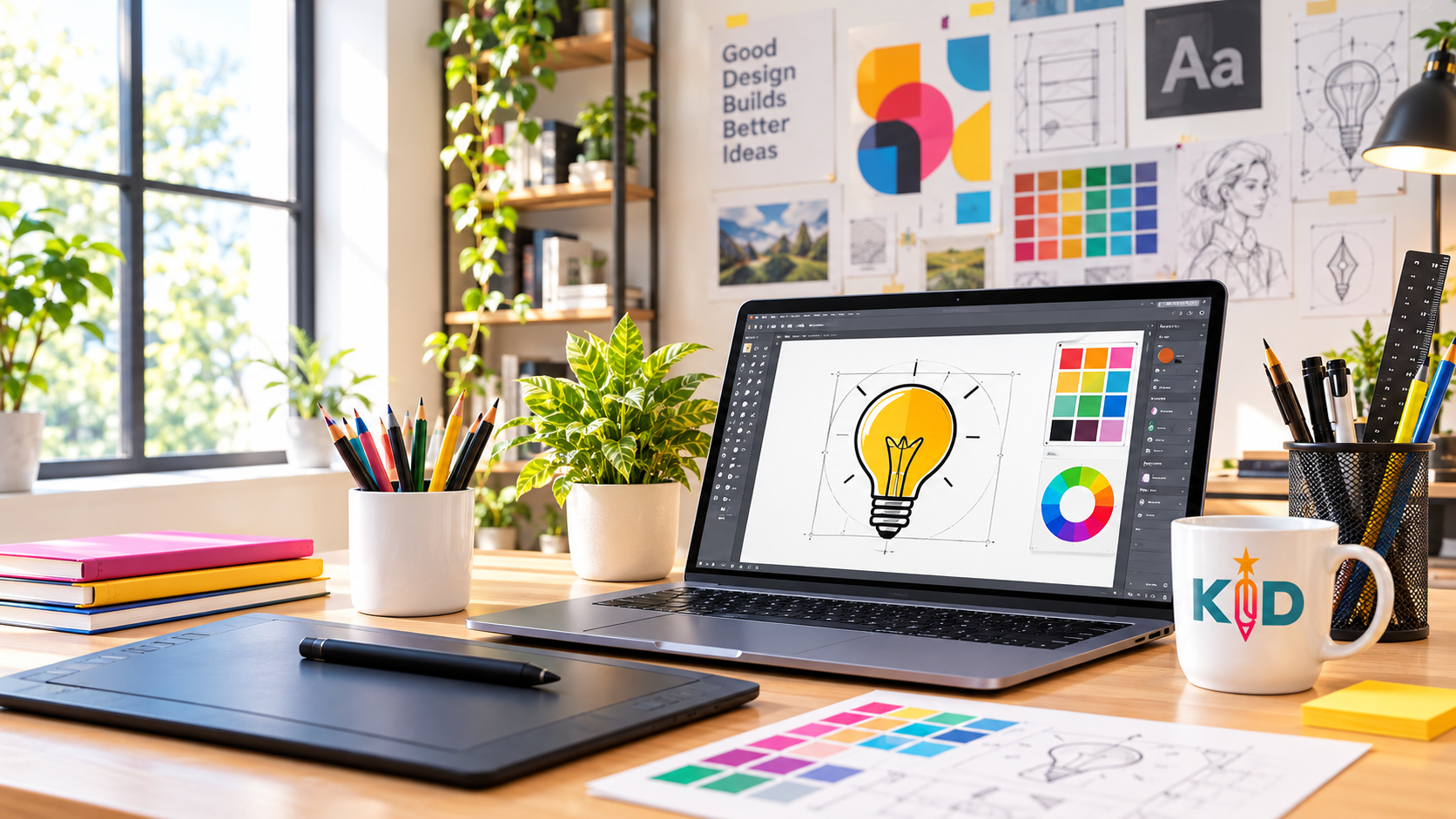
Graphic Designing Course in Indore: Turn Your Creativity into a Career
Good design is all around us. We see it in social media posts, advertisements, websites, mobile apps, packaging, magazines, logos, and even the way brands present themselves online. Behind these visuals is a combination of creativity, planning, communication, and technical skill.
For someone who enjoys creating visual ideas and wants to build a career in a creative field, a graphic designing course in Indore can be a useful starting point. With the right learning approach, students can understand the fundamentals of design, practise professional techniques, and gradually develop a portfolio that reflects their abilities.
What Is Graphic Design Really About?
Graphic design is much more than making attractive pictures.
A designer uses colours, typography, images, shapes, layouts, and visual elements to communicate a particular message. The challenge is to make that message easy to understand while keeping the design visually engaging.
For example, a social media graphic needs to catch attention quickly. A business logo needs to represent a brand. A poster needs to communicate information clearly. A website visual needs to work within a larger digital experience.
Each project has a different purpose.
This is why good graphic design requires both creative thinking and an understanding of the audience.
Why Learn Graphic Design in Indore?
Indore has developed into an important centre for education, business, startups, and digital activity. As more businesses build their presence online, visual communication has become an important part of how they connect with customers.
This creates opportunities for people with graphic design skills across different types of workplaces. Designers may find work in advertising agencies, digital marketing companies, media organisations, design studios, businesses, or creative teams.
Freelancing is another possible direction. A designer with a strong portfolio can work with different clients and take on projects based on their interests and experience.
The career path does not have to look the same for everyone.
Start With the Fundamentals
Before learning advanced tools, it is important to understand the basics of design.
Students can begin by learning about colour theory, typography, composition, hierarchy, spacing, balance, and visual communication. These concepts help explain why some designs feel clear and organised while others appear confusing.
Understanding these fundamentals also makes software easier to use. Instead of simply learning where a particular button or feature is located, students begin to understand how and why different tools can be used to solve a design problem.
A strong foundation can therefore make a big difference as skills develop.
Software Is a Tool, Creativity Is the Skill
Design software is an important part of modern graphic design. Tools such as Photoshop and Illustrator are widely used for creating and editing visual content.
However, knowing software alone does not automatically make someone a good designer.
A person may know how to use every feature of a program but still struggle to create an effective visual concept. Good design requires observation, imagination, communication, and the ability to make thoughtful decisions.
That is why learning should combine technical knowledge with creative practice.
Students should understand how to develop an idea, choose suitable visual elements, create different versions, and refine the final result.
Practical Projects Make Learning More Meaningful
One of the best ways to understand graphic design is to work on actual projects.
Instead of only studying typography, students can design a poster. Instead of only reading about branding, they can develop a basic brand identity. They can also experiment with social media graphics, advertisements, brochures, packaging concepts, or digital layouts.
Projects create opportunities to apply what has been learned.
They also introduce challenges that are difficult to experience through theory alone. A student may discover that a particular layout does not communicate clearly or that the colours do not work well together. Feedback can then help improve the design.
At KID – Krishna Institute of Design, students can explore graphic design through practical assignments, creative guidance, and project-based learning while developing their understanding of visual communication.
Build a Portfolio From Your Best Work
A portfolio is an important part of a graphic designer’s journey.
It gives you a place to present selected projects and demonstrate your creative and technical abilities. Instead of simply telling someone that you understand branding or layout design, your portfolio allows them to see your work.
Start building your collection while you are learning.
You can include different types of projects such as posters, logos, social media creatives, branding concepts, illustrations, packaging ideas, or other visual work. You can also show selected stages of your process, from the initial idea to the final design.
A portfolio does not need to be huge. A few well-developed projects can communicate more than a large collection of unfinished work.
Develop Your Own Design Style
As you practice, you may begin to notice the types of projects and visual styles you enjoy most. Some designers enjoy clean and minimal layouts. Others prefer bold typography, illustration, branding, digital content, or experimental visuals. There is no need to force yourself into one style immediately.
Experimenting with different approaches can help you understand your strengths. Over time, your choices in colour, typography, composition, and visual storytelling may naturally begin to form a recognisable creative direction.
The goal is not to copy another designer’s style. It is to learn the principles and use them to develop your own way of communicating ideas.
What Can You Do After Learning Graphic Design?
Graphic design offers a range of possible career directions.
Depending on your skills and interests, you could explore roles related to graphic design, branding, advertising, social media design, digital content, publication design, or visual communication.
Some designers work in companies or agencies, while others choose freelance projects. With experience, designers may also develop specialised skills in areas such as brand identity, UI design, motion graphics, illustration, or digital marketing creatives.
Your portfolio, practical experience, communication skills, and ability to keep learning can all influence the direction you take.
Choose a Learning Environment That Supports Creativity
When comparing graphic design courses, do not look only at the course name.
Take a closer look at what you will actually learn and how you will learn it. Check whether the course includes practical projects, creative assignments, software training, feedback, and opportunities to develop a portfolio.
It is also worth understanding the learning environment.
Design is a field where asking questions and experimenting can be valuable. A supportive environment can make it easier for beginners to try new ideas and learn from their mistakes. If possible, visit the institute, speak with faculty members, and look at student work before making your decision.
Keep Learning After the Course
Design does not stop evolving after you complete a course.
New digital platforms, visual trends, tools, and communication styles continue to emerge. Successful designers need to remain curious and willing to learn.
Follow design work that inspires you. Study how brands communicate. Practise recreating layouts to understand their structure. Work on personal projects. Experiment with new ideas and ask for feedback.
Even small projects can help you improve when you approach them thoughtfully.
Turn Your Creativity Into Something Real
Graphic design can be an exciting choice for students who enjoy visual creativity and want to use their ideas in practical ways.
A course can provide a foundation, but your progress will come from what you do with that knowledge. Learn the fundamentals, understand your tools, work on projects, build a portfolio, and keep experimenting.
If you are considering a graphic designing course in Indore, take time to explore your options and find a learning environment that matches your interests and goals.
At KID – Krishna Institute of Design, students can explore graphic design along with other creative disciplines while developing practical skills through project-based learning.
Your first design may be simple. That is okay.
Every experienced designer started somewhere. What matters is continuing to create, learn, improve, and find your own way of communicating ideas through design.