Why Nostalgia Is Influencing the Future of Modern Design
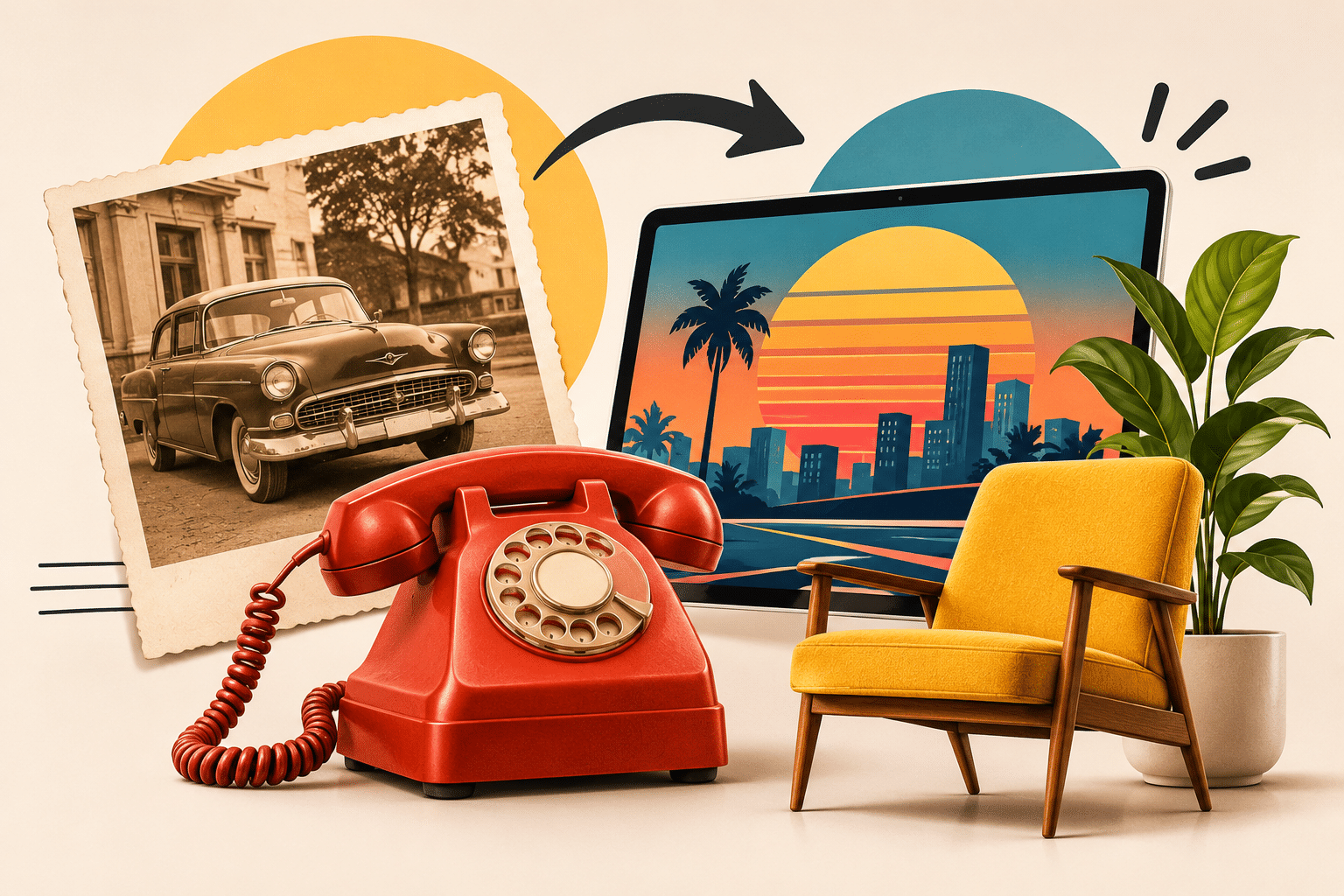
Have you ever looked at an old photograph, a vintage poster, or a piece of furniture from your childhood and felt instantly connected to it? Some designs have a special ability to bring back memories and emotions. Interestingly, this connection with the past is becoming an important source of inspiration for modern designers.
From retro fashion and vintage interiors to old-school typography and nostalgic packaging, elements from earlier decades are finding their place in today’s creative world. But this is not simply about bringing old styles back. It is about combining familiar visual elements with fresh ideas to create something meaningful for a new generation.
This growing influence of nostalgia is changing how designers approach creativity, storytelling, and visual identity.
What Makes Nostalgia So Powerful in Design?
Nostalgia is an emotional connection with memories, experiences, and styles from the past. In design, it can be expressed through colours, patterns, typography, materials, illustrations, and familiar visual details.
Think about the bold colours of an old magazine, the appearance of a classic video game, or the packaging of a product that has existed for decades. These visual elements can create a sense of familiarity while making a design feel distinctive.
In a world where people constantly see new trends and digital content, familiar styles can offer a refreshing change. Designers use nostalgia to create emotional connections rather than focusing only on appearance.
1. Retro Fashion Is Making a Modern Comeback
Fashion is one of the clearest examples of how the past influences modern creativity. Styles inspired by the 1970s, 1980s, and 1990s continue to appear in contemporary clothing, accessories, and collections.
Oversized silhouettes, vintage denim, bold prints, retro sportswear, and classic accessories are being reinterpreted for modern audiences.
However, today’s fashion designers are not simply copying old outfits. They combine vintage influences with contemporary fabrics, updated fits, and modern styling.
For aspiring fashion designers, this creates an interesting opportunity: studying historical fashion can help them understand how trends develop and how old ideas can inspire new collections.
2. Vintage Interiors Are Bringing Warmth Back into Modern Spaces
Modern interiors often focus on clean lines and simple layouts. However, many designers and homeowners are also exploring vintage furniture, antique-inspired decorations, textured materials, and traditional patterns.
A contemporary room with a vintage wooden chair, classic lighting, patterned wallpaper, or an old-style decorative mirror can feel more personal and expressive.
The secret is balance. Combining too many vintage elements can make a room feel visually crowded, while carefully selected pieces can add character without compromising functionality.
Interior designers can use this approach to create spaces that combine modern comfort with the warmth and personality of earlier design periods.
3. Retro Graphic Design Is Changing Visual Communication
Graphic design is also experiencing a renewed interest in nostalgic styles. Vintage typography, grainy textures, bold colour combinations, geometric patterns, and retro illustrations are appearing in posters, branding, packaging, and digital campaigns.
Some designers are exploring visual styles inspired by old advertisements, while others are experimenting with pixel graphics, collage techniques, and classic print aesthetics.
These elements can help a brand develop a memorable visual identity. They also allow designers to communicate a particular mood or story.
For graphic design students, studying different design eras can be a useful way to understand typography, composition, colour relationships, and visual storytelling.
4. Digital Nostalgia Is Influencing Animation and Game Design
Nostalgia is not limited to physical products and traditional artwork. It is also influencing digital experiences.
Classic arcade games, pixel art, retro animation styles, and old-school visual effects are inspiring contemporary digital creators. Some modern games deliberately use pixel-inspired graphics and familiar sound styles to create a connection with earlier gaming experiences.
Animation designers can also explore traditional techniques, hand-drawn textures, and visual styles associated with older animated films.
The interesting part is how these influences can be combined with modern 3D software, digital illustration, motion graphics, and visual effects.
This creates opportunities for artists to experiment with different styles while developing their technical skills.
5. Why Are Modern Audiences Connecting with the Past?
There are several reasons why nostalgic design continues to attract attention.
Emotional connection: Familiar visual elements can remind people of memorable experiences and create a sense of comfort.
Distinctive identity: Vintage-inspired designs can help brands stand apart from visuals that follow similar modern templates.
Creative storytelling: Historical references give designers a starting point for communicating a story or concept.
Cultural influence: Music, films, fashion, architecture, and popular culture from earlier decades continue to inspire new creative work.
Fresh interpretation: Designers can combine old visual languages with modern technology to create something unexpected.
6. How Can Young Designers Use Nostalgia Creatively?
For students interested in design, nostalgia offers a wide range of creative possibilities. It encourages them to study the past while developing their own visual language.
Here are a few ways to begin:
- Explore old magazines, posters, photographs, and advertisements.
- Study fashion and interior styles from different decades.
- Experiment with vintage colour palettes and typography.
- Create a modern poster inspired by a historical design movement.
- Combine traditional textures with digital illustration.
- Develop a concept that connects a personal memory with a contemporary design.
The goal is not to reproduce an existing style exactly. Instead, understand what makes it interesting and use those ideas to develop an original concept.
The Role of Design Education in Developing Creative Thinking
Good design involves more than following trends. It requires observation, research, experimentation, technical understanding, and the ability to communicate ideas visually.
Learning about different design periods can help students understand how creative styles evolve and why certain visual approaches remain influential.
At Krishna Institute of Design (KID), Indore, students exploring creative fields can develop their understanding of design through learning, experimentation, and practical project work. Whether their interests lie in fashion, interior design, graphic design, animation, or fine arts, exploring different sources of inspiration can help them develop a stronger creative perspective.
Conclusion
Nostalgia is influencing the future of modern design by reminding creators that inspiration does not always have to come from something completely new. Sometimes, the best ideas begin with familiar styles, forgotten details, and memories from the past.
From vintage fashion and retro interiors to nostalgic graphics and digital experiences, designers are finding creative ways to give old influences a new identity.
For aspiring designers, the lesson is simple: understand the past, observe the present, and use your imagination to create something meaningful for the future.