From Empty Rooms to Extraordinary Spaces: Start Your Interior Design Journey
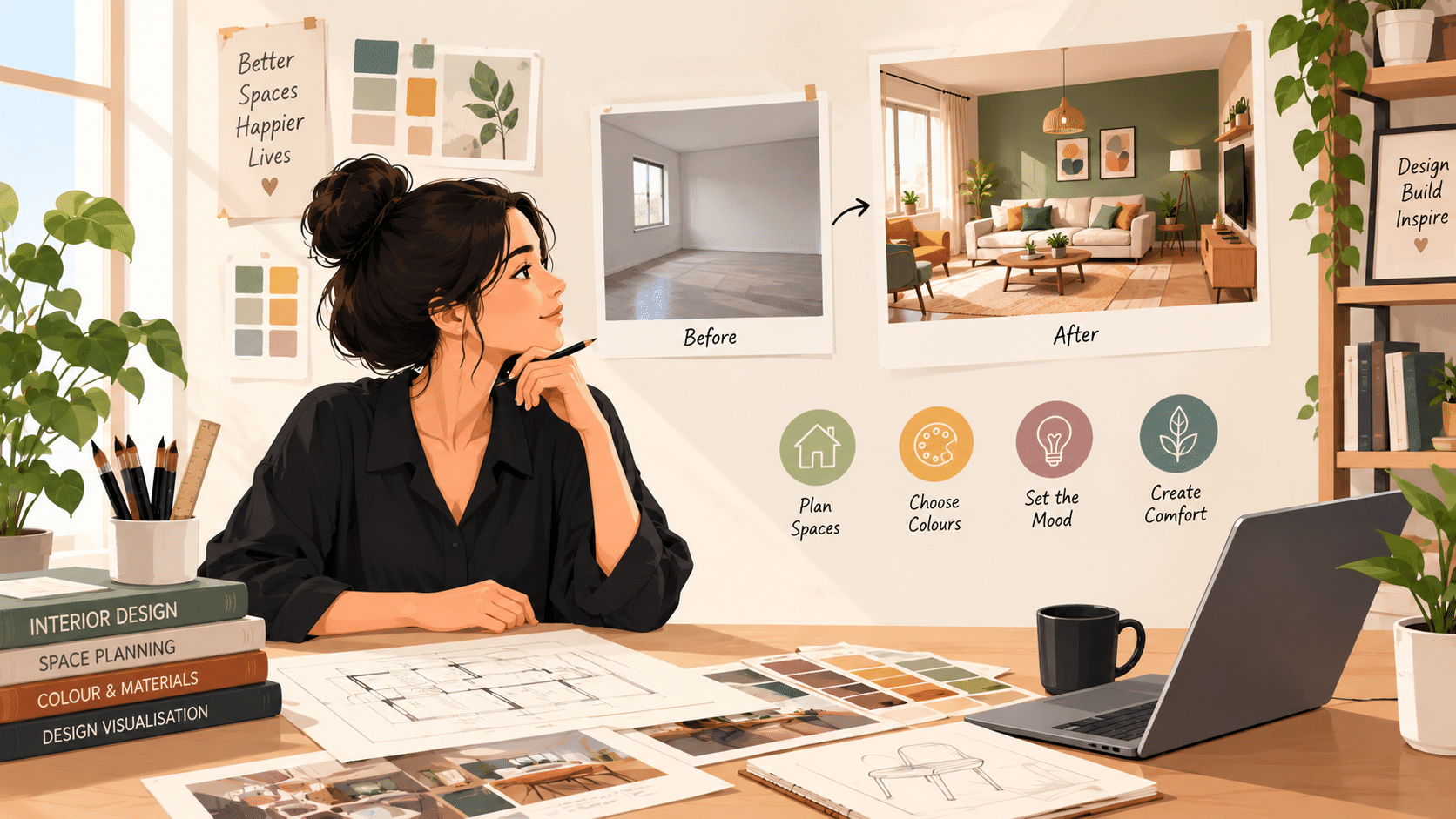
Have you ever entered a room and immediately noticed how the colours, lighting, furniture, and decorations work together? Perhaps you have imagined changing a dull corner into a cosy reading space or transforming a small room into something more functional. If you enjoy thinking about how spaces can look and feel better, interior design could be a creative path worth exploring.
Interior design is not just about choosing beautiful furniture. It involves understanding people’s needs, planning layouts, selecting materials, using lighting effectively, and making the best use of available space. For students who enjoy creativity and practical problem-solving, it offers an opportunity to turn ideas into meaningful designs.
However, developing these skills takes more than inspiration. The right education, regular practice, and exposure to real design challenges can help you build a strong foundation.
Why Is Interior Design More Than Decoration?
A well-designed space should look attractive while also being comfortable, functional, and suitable for the people using it. For example, a compact apartment may need clever storage solutions, while a workspace may require thoughtful lighting and an efficient layout.
Interior designers consider several elements, including colour combinations, furniture placement, textures, materials, lighting, and movement within a room. They also need to understand measurements, budgets, and the practical requirements of a project.
As a result, interior design brings together artistic thinking and technical knowledge. Students learn to look at ordinary spaces differently and find creative ways to improve them.
What Can You Learn in an Interior Design Course?
A suitable course can introduce you to the principles and processes used in interior design. The exact subjects depend on the programme, so it is important to review the curriculum before applying.
1. Space Planning and Layouts
Space planning helps you understand how furniture, pathways, and functional areas should be arranged. You learn to consider room dimensions and make a space easier to use without making it feel crowded.
2. Colour, Materials, and Lighting
Colours influence the atmosphere of a room, while materials add texture and character. Lighting can highlight particular features and make spaces feel brighter or more comfortable. Learning how these elements work together helps you make informed design decisions.
3. Drawing and Design Visualisation
Sketching and technical drawings help communicate ideas clearly. Depending on the course, you may also explore digital design tools that allow you to prepare layouts and visualise concepts before a project is completed.
4. Practical Projects and Portfolio Development
Working on design assignments helps you apply what you learn. Projects may involve planning a bedroom, redesigning a living area, or developing a concept for a small commercial space.
These projects can also become part of your portfolio, which demonstrates your thinking, creativity, and developing skills.
How to Choose the Best Interior Design Institute in Indore
Searching for the best interior design institute in Indore is an important step, but the right choice should depend on more than advertisements or popularity. Look for a learning environment that matches your interests and helps you develop practical abilities.
Start by reviewing the curriculum. Does it cover space planning, materials, lighting, drawing, and relevant design software? Check whether the programme includes practical assignments and opportunities to receive feedback on your work.
Faculty guidance is another factor to consider. Learning from experienced educators can help you understand design principles, correct mistakes, and approach projects more confidently.
You should also ask about the qualification offered, course duration, admission requirements, facilities, and any additional costs. If possible, visit the campus, speak with course representatives, and review examples of student projects.
Most importantly, choose a programme that supports your learning goals rather than relying on a single claim about being the best.
Career Opportunities After Learning Interior Design
Interior design skills can support several career directions, depending on your training, experience, and portfolio.
Residential interior design: You may work on homes, apartments, bedrooms, kitchens, and living spaces, helping clients balance appearance with everyday needs.
Commercial space design: Offices, retail stores, cafés, and other businesses need spaces that support their activities while creating a suitable atmosphere.
Furniture and styling: If you enjoy selecting furniture, finishes, colours, and accessories, you could explore furniture design or interior styling after developing the relevant skills.
Computer-aided design and visualisation: Designers use digital tools to communicate layouts and concepts. Further training in appropriate software can help you explore roles involving drawings and visual presentations.
Independent projects: With suitable experience, professional knowledge, and business skills, you may eventually consider freelance work or developing your own design practice.
Career opportunities vary, and completing a course alone does not guarantee employment. Building practical experience, communication skills, and a strong portfolio can help you prepare for the industry.
How to Prepare for Your Interior Design Journey
You can start developing your design sense even before enrolling in a course. Observe how different rooms use light, colour, furniture, and available space. Take note of what works well and what could be improved.
Try sketching a simple room layout or redesigning a corner of your home on paper. Explore different colour palettes and collect examples of interiors that inspire you. Think about why a particular arrangement feels comfortable or why certain materials work well together.
It is also helpful to practise measuring spaces and understanding basic proportions. These small exercises can make design concepts easier to understand when you begin formal training.
Do not worry if your first ideas need improvement. Experimentation and feedback are essential parts of learning.
Explore Your Options Before Making a Decision
If you are interested in studying interior design in Indore, take time to compare available courses and understand what each programme offers. Students can also contact Krishna Institute of Design (KID) to request current information about relevant design programmes, admission criteria, course structure, and practical learning opportunities.
Compare these details with your personal interests and future goals before choosing where to study.
The best learning path is one that helps you develop your abilities step by step, encourages creative thinking, and prepares you to approach design challenges thoughtfully.
Turn Your Ideas into Thoughtful Spaces
Every memorable interior begins with an idea, but turning that idea into a useful space requires planning, knowledge, and practice. By learning design fundamentals, experimenting with layouts, and building a portfolio, you can begin developing the skills needed to explore this creative field.
If you enjoy transforming spaces and solving practical problems through design, take the first step by researching suitable courses and discovering what you would like to create.
Your next great design could begin with nothing more than a simple sketch and the curiosity to see what is possible.