Why is sustainable design becoming a business necessity?
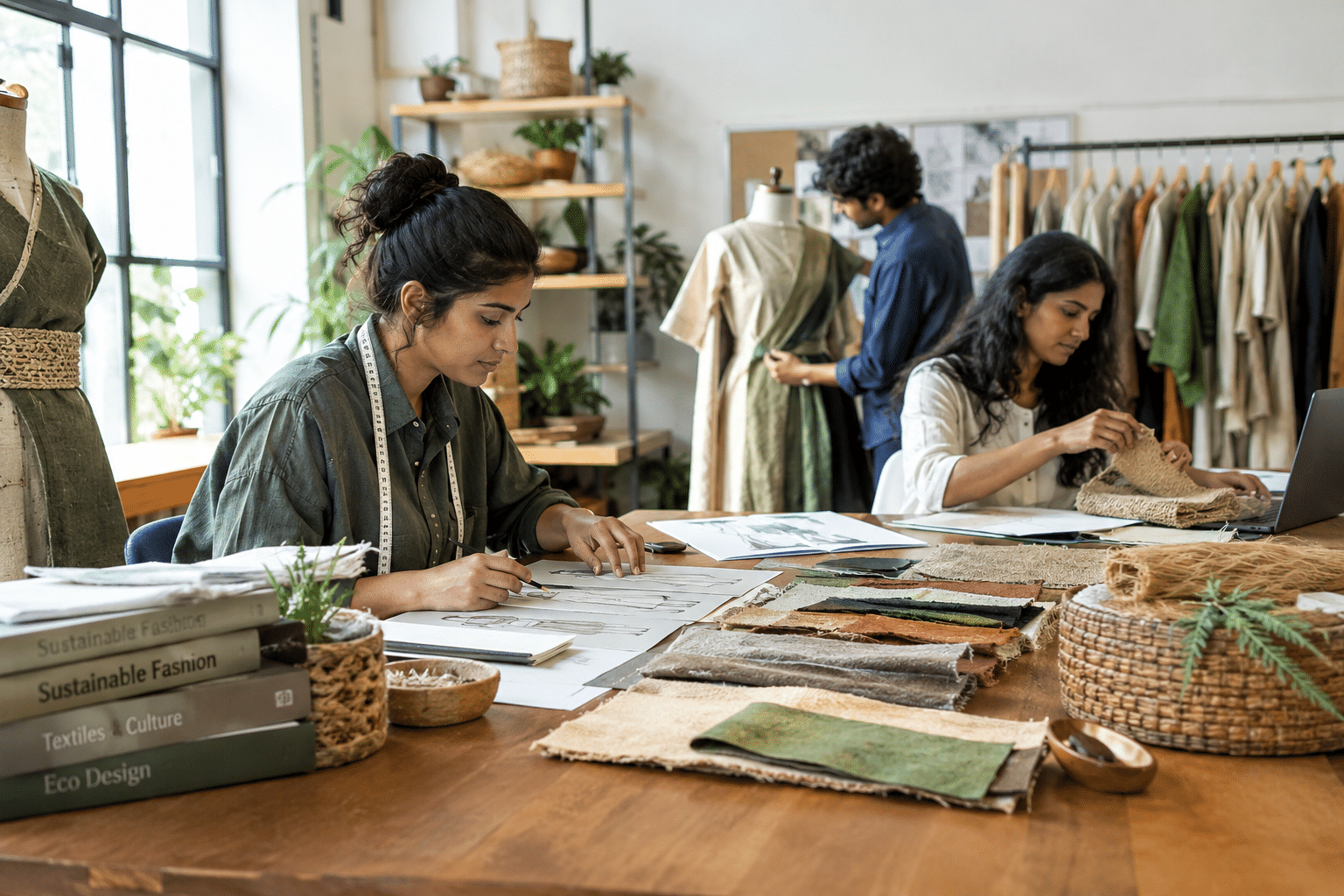
Design has always played an important role in business growth. From clothing and jewellery to architecture, furniture, and paintings, design influences how people live, shop, and express themselves. India has a rich history of traditional design, with ancient crafts, textiles, and architectural techniques reflecting creativity, cultural values, and practical knowledge. Many of these designs were admired and traded across the world, creating opportunities for artisans and businesses.
Today, the design industry is changing rapidly. Businesses are no longer focusing only on appearance, luxury, and the latest trends. They are also looking for ways to reduce waste, save resources, improve product quality, and create designs that last longer. This is where sustainable design has become important.
The growing demand for sustainable design.
Consumer preferences are changing, particularly among younger generations. People are becoming more aware of environmental problems, excessive waste, and the impact of fast-changing fashion trends. Many consumers now prefer products that offer quality, durability, and responsible production.
For example, instead of buying inexpensive clothes that lose their quality after a few washes, some consumers prefer durable garments that can be worn for years. Similarly, furniture made from responsibly sourced wood, recycled materials, or long-lasting components can offer better value over time.
These changing preferences are encouraging businesses to rethink their design strategies. Sustainable design is no longer just an environmental choice; it is becoming an important part of building a competitive business.
Learning from india’s traditional designs
India’s traditional designs offer valuable lessons in sustainability. Handloom textiles, natural materials, traditional embroidery, and regional architectural techniques were often developed around locally available resources and practical needs.
For instance, traditional Indian homes used materials such as mud, bamboo, stone, and timber according to the local climate and availability. These approaches often helped maintain comfortable indoor temperatures while reducing dependence on modern energy-consuming systems.
Similarly, traditional clothing and handicrafts often reflected skilled workmanship and cultural identity. By combining these traditional practices with modern technology, businesses can create products that respect heritage while meeting contemporary needs.
This approach also creates opportunities for artisans, designers, and small businesses to reach new markets.
How sustainable design benefits businesses ?
One of the biggest advantages of sustainable design is its potential to reduce costs over the long term. Using materials efficiently, reducing production waste, and creating durable products can help businesses manage resources more effectively.
For example, a furniture company that designs products for easy repair and long-term use may reduce material waste and build customer trust. A fashion brand that uses durable fabrics and responsible production methods can attract consumers who value quality and thoughtful purchasing decisions.
Sustainable design can also strengthen a brand’s reputation. Businesses that demonstrate genuine environmental responsibility may build stronger relationships with customers and stand out in a competitive market. However, success depends on product quality, pricing, customer demand, and honest communication about sustainability.
The future of sustainable design
The future of design will depend on how effectively businesses balance creativity, affordability, durability, and environmental responsibility. Technology, recycled materials, energy-efficient production, and innovative design methods are creating new possibilities across fashion, interiors, architecture, and product development.
Sustainable design does not mean abandoning modern trends or creativity. Instead, it means creating products that remain useful, attractive, and valuable for longer while reducing unnecessary environmental impact.
Conclusion
Sustainable design is becoming a business necessity because it connects environmental responsibility with long-term value. It can help companies reduce waste, use resources wisely, improve product durability, and respond to changing consumer expectations.
For businesses, the goal is not simply to follow a trend but to build a smarter and more responsible approach to design. By combining India’s traditional design knowledge with modern innovation, the industry can create products that respect the past, meet present needs, and contribute to a more sustainable future.