Think You Can Become a Model? 7 Skills That Can Open Doors in the Fashion Industry
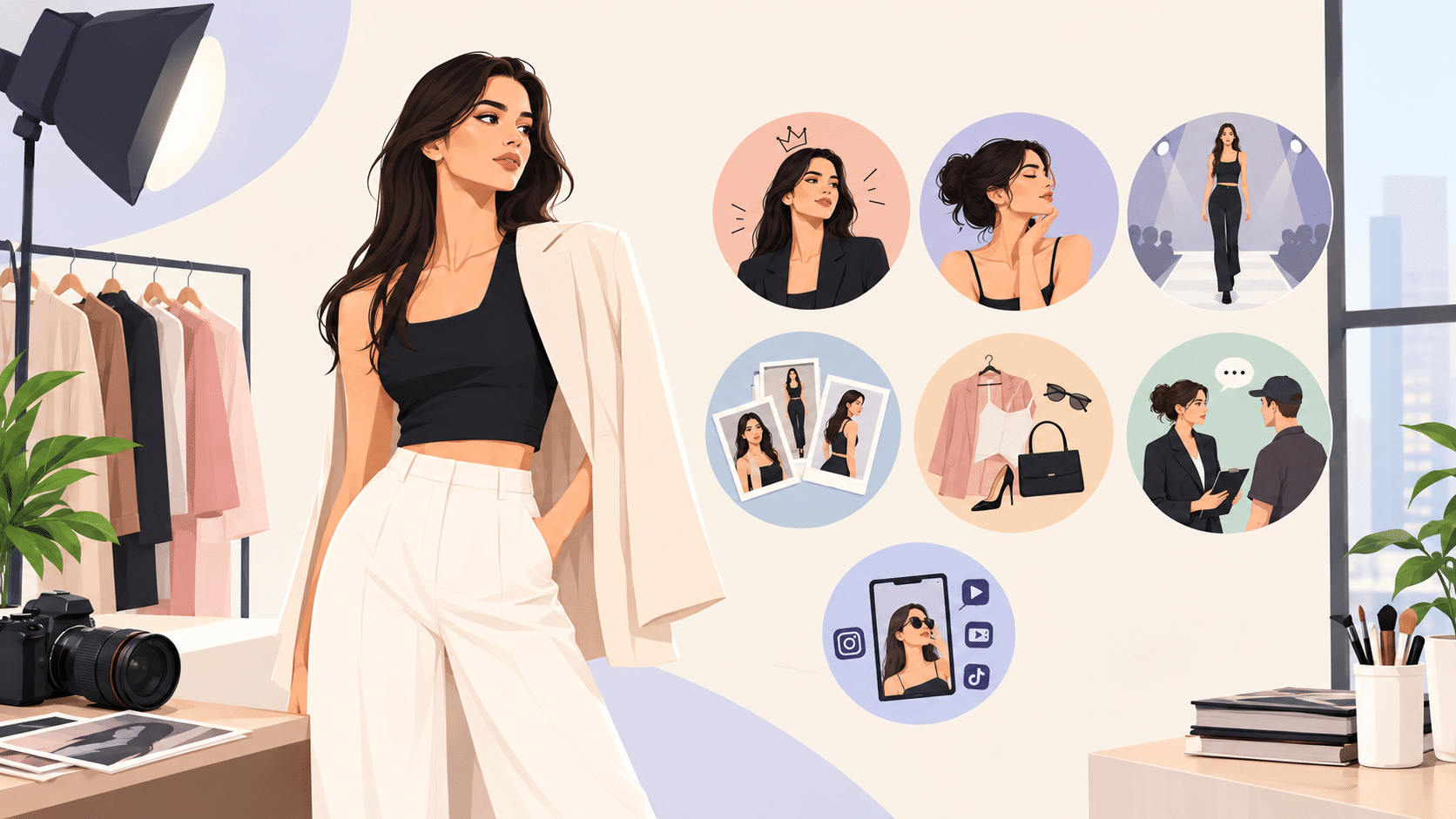
The fashion industry is often associated with stylish outfits, glamorous photoshoots, and confident runway walks. But behind every successful presentation is a combination of preparation, discipline, communication, and practice.
If you enjoy fashion, photography, styling, and expressing yourself in front of a camera, modelling could be an exciting career to explore. However, many beginners have questions. Do you need experience to start? Is professional training necessary? How can you build a portfolio when you have never worked with a photographer?
The good news is that modelling involves several learnable skills. Understanding these skills can help you prepare for opportunities and decide whether this career suits your interests.
1. Confidence Is More Than Just Appearance
Confidence is one of the most useful qualities an aspiring model can develop. It helps you present yourself naturally, communicate with a creative team, and handle unfamiliar situations.
Being confident does not mean having a perfect appearance or never feeling nervous. It means learning to remain composed, accept constructive feedback, and improve through experience.
Start with simple exercises. Practise introducing yourself, maintaining comfortable posture, and speaking clearly. You can also record short videos to observe your expressions and body language.
With regular practice, you may become more comfortable presenting yourself in different settings.
2. Learn the Art of Posing for the Camera
A good photograph depends on more than clothing and lighting. Posture, facial expressions, angles, and body movement can all influence the final result.
Aspiring models can begin by practising simple standing poses, natural expressions, and basic portrait positioning. Experiment with small changes in shoulder position, head angle, and eye direction to understand how they affect a photograph.
Review your pictures and identify which poses appear natural. Avoid copying every pose you see online because different assignments require different expressions and styles.
As your confidence grows, guided photoshoots can help you understand how to follow a photographer’s instructions and adapt to a creative brief.
3. Understand Runway Walking and Body Movement
Runway modelling requires control, balance, posture, rhythm, and awareness of the space around you. Models must learn how to walk, turn, pause, and present clothing effectively.
You can begin by practising your posture and walking in a safe, open space. Keep your movements controlled and focus on maintaining balance rather than trying to imitate exaggerated runway styles.
Professional guidance can help you understand the techniques used in fashion shows and improve your presentation.
Remember that runway modelling is only one part of the industry. Commercial photography, catalogue shoots, fashion editorials, and other assignments may require different skills.
4. Build a Portfolio That Represents You
A modelling portfolio introduces your appearance, presentation, and range to potential clients or agencies. For beginners, a small collection of clear, recent photographs can be a practical starting point.
Consider including:
- A clear portrait with natural lighting.
- A full-length photograph in simple clothing.
- A few photographs showing different expressions.
- Additional images that demonstrate your suitability for the type of modelling you want to explore.
Avoid excessive editing or filters that significantly change your appearance. Your portfolio should represent you accurately.
As you gain experience, you can add suitable professional photographs that demonstrate your development. Keep the collection organised and update it when necessary.
5. Develop Your Personal Style and Fashion Awareness
Models work with different outfits, themes, and creative concepts. Understanding fashion can help you interpret these concepts and collaborate more effectively with stylists and photographers.
Pay attention to clothing proportions, colour combinations, fabrics, accessories, and how styling changes the mood of an image.
You do not need an expensive wardrobe to develop fashion awareness. Study different styles, experiment with combinations using clothes you already own, and observe how designers present their collections.
The aim is to understand how clothing communicates an idea rather than simply following every trend.
6. Learn Professional Communication and Industry Etiquette
Modelling is often collaborative. A typical assignment may involve photographers, designers, stylists, makeup artists, coordinators, and clients.
Being punctual, communicating clearly, following instructions, and respecting other professionals can make a positive difference. You should also learn to ask questions when assignment details are unclear.
Before accepting work, confirm the location, timings, payment, intended use of photographs, and any contractual requirements.
Be cautious of anyone promising guaranteed modelling jobs or success in exchange for large upfront payments. Research agencies and clients carefully, review agreements, and prioritise your safety. If you are under 18, involve a trusted adult in professional arrangements.
7. Adapt to the Changing Fashion Industry
Fashion content now appears across online stores, social media, advertising campaigns, digital publications, and traditional fashion shows.
As a result, aspiring models may encounter different types of assignments. Some require runway presentation, while others focus on product photography, lifestyle campaigns, fashion editorials, or short-form video.
Developing camera confidence, basic digital awareness, and professional communication can help you prepare for these different environments.
However, no course or skill can guarantee modelling work. Opportunities depend on factors such as the assignment, client requirements, experience, location, and professional suitability.
Consistent preparation can help you approach opportunities with greater confidence and realistic expectations.
How to Choose a Fashion Modeling Institute in Indore
If you are a beginner, structured training may help you understand modelling techniques and practise in a supportive environment.
When researching a fashion modeling institute in Indore, look for programmes that explain their curriculum clearly and provide relevant practical training.
Check whether the training covers runway walking, posing, camera awareness, grooming, communication, portfolio development, and professional conduct. Ask about trainer experience, practical sessions, course duration, fees, and what is included in the programme.
Students exploring creative education in Indore can also research Krishna Institute of Design (KID) and request current information about relevant programmes and training options. Compare the available courses with your goals before making a decision.
Choose a learning environment that encourages improvement, provides constructive feedback, and helps you understand the realities of the industry.
Your Modelling Journey Starts with One Step
You do not need to become an expert before exploring modelling. Start by practising posture, learning basic poses, studying fashion, and preparing a simple portfolio.
Give yourself time to improve. Ask for feedback, learn from each experience, and avoid comparing your beginning with someone else’s established career.
Modelling can offer an interesting creative direction for people who enjoy fashion and visual presentation. The most useful first step is to understand the work involved and build the skills that support it.
A successful first step is not about looking like a model overnight. It is about developing the confidence, discipline, and professional skills to present yourself at your best.