Sustainable design: building a better future
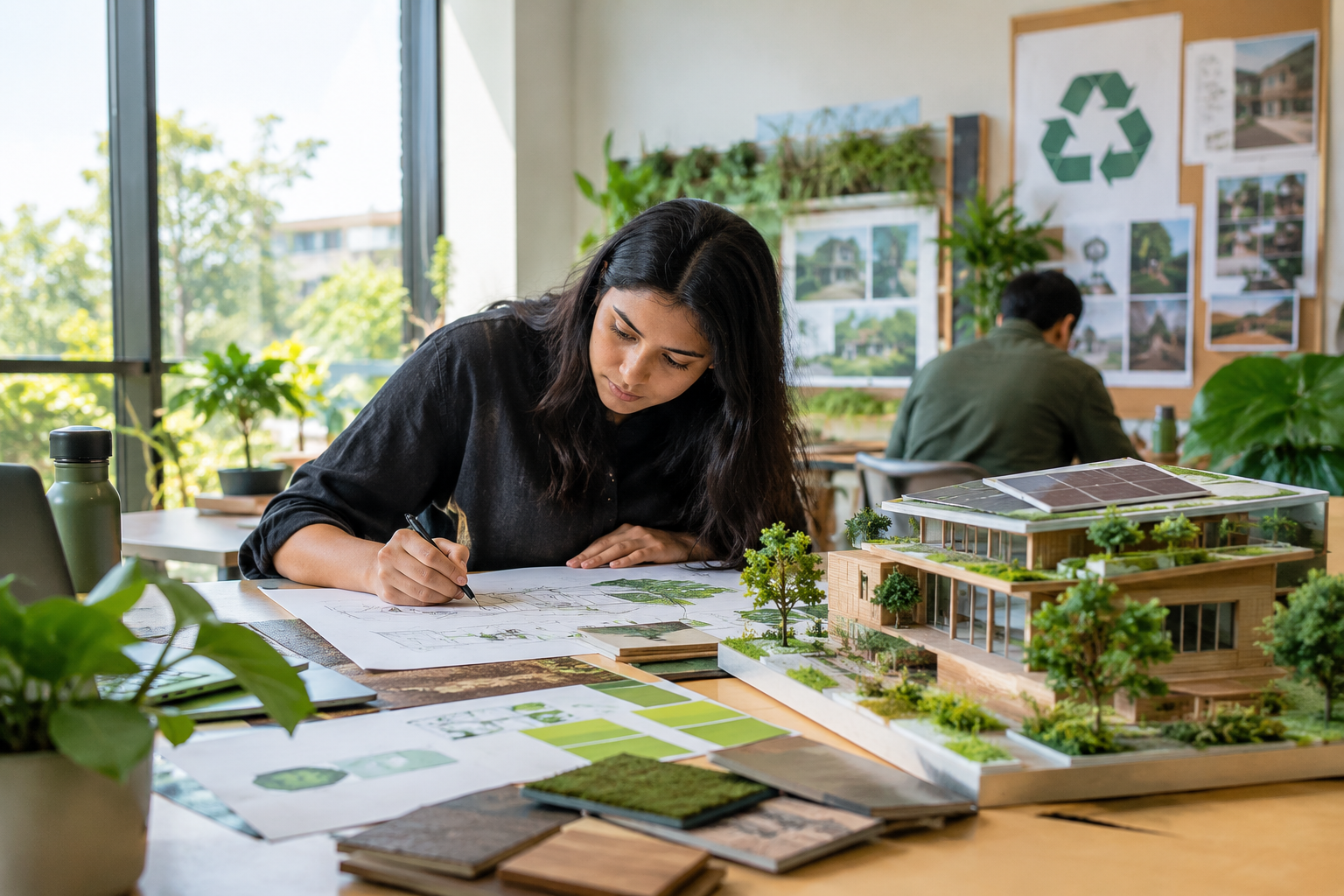
Design, build & sustain.
Designs are one of the wonderful creations of god in this world. From nature to societies and cultures, everything around us has been designed in some way. Designs are not only about patterns, colours, or shapes. They are connected with people, society, culture, history, fashion, countries, and even our daily lives.
Many designs that were created hundreds or even thousands of years ago are still important today. Ancient paintings, traditional colours, patterns, buildings, clothes, and art forms continue to have a special value in society. People still study and use these designs because they carry history, culture, skills, and emotions. They show us how people lived and expressed themselves in the past.
Sustainable design has a strong impact on the world. Many industries such as clothing, films, home design, architecture, branding, and technology depend on good and meaningful designs. In recent years, especially with the growth of the Gen Z market, design has created many new opportunities and has become an important part of business and economic growth.
A design is a structure or format that gives a particular shape, size, pattern, colour, and overall appearance to something. It also helps create an identity that people can remember for a long time. For example, a brand logo, a traditional dress, a building, or even a country’s flag can be recognised because of its unique design.
Sustainable design is not only about creating something new. It is also about learning from designs that have already survived for many years. A design that remains useful and meaningful for decades or centuries tells us that it has something valuable. People can study these designs, understand the skills behind them, and use that knowledge to create better designs according to the needs of the present time.
Old designs also help us understand the importance of research and traditional skills. Many traditional designs were created after years of experience and understanding of local materials, climate, culture, and people’s needs. These designs were not simply created for decoration. They often had a purpose and meaning behind them.
India is a very good example of this. Every state and region in India has its own unique designs, colours, patterns, clothing, architecture, food, and traditions. These designs are deeply connected with the culture and history of the people.
The clothing industry, especially traditional sarees, shows this beautifully. Different parts of India have different types of sarees, weaving styles, colours, patterns, and materials. Each style tells a story about the region and the people who created it. Many of these traditional designs have been passed from one generation to another and are still valued today.
Every state in India has its own cultural and traditional brands, crafts, and clothing styles that have existed for generations. These designs have become more than just fashion. They have become cultural symbols and emotional memories for people. They connect people with their families, communities, and history.
India is also a country where cultural differences can change within a short distance. In many places, even after travelling a few kilometres, we can see differences in clothing, colours, patterns, rituals, food, architecture, and traditions. This shows how rich and diverse Indian design and culture are.
These designs did not appear suddenly. They developed over many generations through people’s experiences, creativity, skills, and traditions. They have influenced our history, culture, rituals, homes, clothing, religious practices, symbols, and even tattoos.
Design is therefore present almost everywhere around us. It is not simply about making something look beautiful. It is also about creating meaning, identity, connection, and value. Sustainable designs teach us to respect the past while creating for the future.
By learning from traditional and long-lasting designs, we can understand how creativity can survive through time. We can take the knowledge and skills of the past and combine them with modern ideas and technology. In this way, sustainable design can help us build a better future while keeping our history and culture alive.