A Designer mind & the Designers Lifestyle.
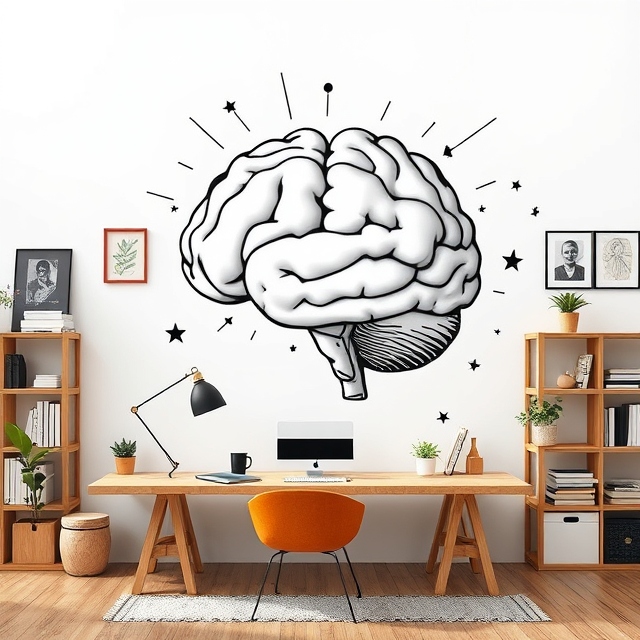
How do designers inculcate and execute unique patterns in their work ?
A creative mind has the ability to discover creative solutions and transform ordinary ideas into meaningful, high-quality designs. Behind every successful designer is a combination of imagination, observation, knowledge, patience, and continuous learning. Becoming an expert designer requires immense dedication and years of practice. It is not simply about creating something visually attractive; it is about understanding people, culture, emotions, functionality, and the purpose behind a design.
To become a successful designer, one must have a deep passion for art, creativity, and the process of making things better. The interest and concentration required while preparing a design demands extreme attention to detail and patience. Every line, colour, shape, pattern, texture, and proportion can influence the final result. Designers constantly observe their surroundings and learn from what they see. Their curiosity encourages them to explore new techniques, technologies, materials, and ideas.
Design is a field in which learning never really stops. Trends change, technology develops, and people’s preferences continuously evolve. Designers therefore need the ability to adapt and learn new things throughout their careers. A designer who remains curious and open-minded can continue developing their skills and finding new ways to express ideas.
One of the most important qualities of a designer is patience. Designers may spend hours, days, or even months developing a single concept. A design rarely becomes perfect in its first version. It usually passes through several stages of research, experimentation, modification, and refinement. Designers have to accept mistakes, understand what is not working, and make improvements repeatedly. This process requires concentration and the willingness to continue working even when the desired result is not immediately visible.
The designer’s lifestyle is also strongly connected to observation and analytical thinking. Whether designing clothing, jewellery, graphic identities, games, interiors, furniture, architecture, or homes, designers have to make countless decisions. They need to understand which colours works together, which patterns create a particular feeling, what type of structure is appropriate, and how different elements should be arranged. Creativity gives designers ideas, while analytical thinking helps them turn those ideas into practical solutions.
Design is also deeply connected to culture, geography, history, and language. Every region has its own visual identity. Traditional clothing, architecture, crafts, symbols, festivals, landscapes, and local materials can provide inspiration. A designer who carefully observes these differences can discover ideas that might otherwise remain hidden. Comparative observation allows designers to understand how different cultures approach colour, form, decoration, space, and functionality.
The environment in which a designer works can have a major influence on their thinking. Working alongside other creative people exposes designers to different perspectives and methods. Conversations with colleagues, collaboration on projects, criticism, and experimentation can encourage new ideas. A creative environment can therefore make the mind more observant and competitive in a positive sense, motivating designers to improve their work and explore higher standards of creativity.
The influence of design eventually becomes part of a designer’s everyday life. When you meet a designer from any creative field, you may notice that their personal surroundings often reflect their interests. Their phone, clothing, workspace, furniture, home, notebooks, or personal objects may contain carefully selected colours, patterns, textures, or forms. This does not necessarily mean that everything has to be perfectly arranged. Rather, designers often develop a habit of noticing visual details in ordinary objects and environments.
Over time, this way of thinking becomes almost instinctive. A designer may enter a room and immediately notice its lighting, furniture arrangement, colour combinations, textures, proportions, and overall atmosphere. They may look at a product and think about how its shape could be improved or observe a street and notice architectural details that others might overlook. Years of experience can create a unique visual awareness that influences both professional work and everyday life.
Design can also have a psychological and emotional impact on people. Colours can influence moods, spaces can affect how people feel, and visual forms can communicate ideas without words. A thoughtfully designed environment can make people feel comfortable, inspired, energetic, calm, or connected. This is why design is not simply decoration. It can influence how people interact with products, spaces, brands, technology, and even one another.
As the world becomes increasingly visual and experience-driven, the demand for thoughtful design continues to grow. People want products, spaces, clothing, digital experiences, and environments that provide not only functionality but also uniqueness and meaning. Designers play an important role in responding to these expectations by combining creativity with research, technology, culture, and human understanding.
Travel and exploration can also become an important part of a designer’s creative journey. Many designers visit new places, museums, galleries, markets, historical sites, architectural landmarks, and natural environments to observe different forms of art and culture. Experiencing unfamiliar environments can introduce new colours, materials, patterns, structures, and traditions. These experiences become part of a designer’s visual memory and can later contribute to original ideas.
Ultimately, the designer’s lifestyle is a continuous journey of seeing, questioning, learning, creating, and improving. A designer’s brain does not simply look at the world; it observes the details within it. Ordinary objects can become sources of inspiration, cultures can become visual references, and everyday experiences can become the foundation for new ideas.
Great design is therefore not created only at a desk or inside a studio. It develops through years of observation, experimentation, education, travel, collaboration, patience, and curiosity. The designer’s greatest tool is not just software, technology, or artistic skill, but the ability to see possibilities where others may see ordinary things. That ability transforms imagination into design and turns everyday experiences into creative journeys.