Interior Designing Course in Indore: Learn to Turn Spaces into Beautiful Experiences
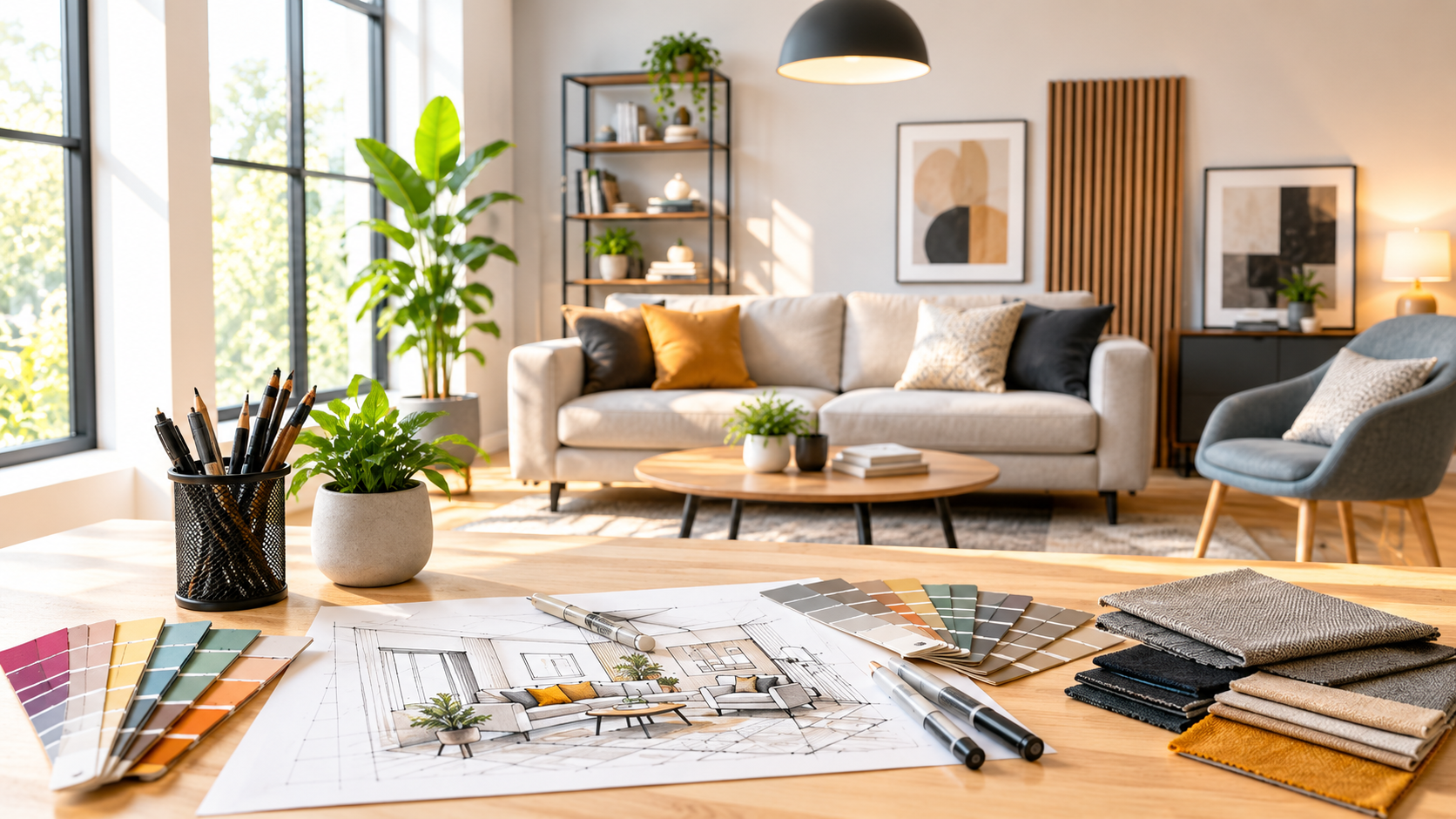
A good space can change the way we feel. A well-designed room can make us feel comfortable, a smart office can improve the way we work, and a thoughtfully planned home can feel truly personal. This is what makes interior design more than just decoration. It is about understanding a space, knowing how people will use it, and creating an environment that looks good while also being practical.
If you have an eye for colours, furniture, layouts, materials, and creative spaces, an interior designing course in Indore can be a good way to turn your interest into a professional skill. With the right education and regular practice, you can learn how to take an idea from a simple sketch and develop it into a complete interior concept.
What Is Interior Designing?
Interior designing is the process of planning and designing the inside of a space. It can include homes, offices, restaurants, retail stores, hotels, studios, and many other places. An interior designer thinks about everything from the overall layout and furniture placement to lighting, colours, materials, textures, and visual balance.
The main goal is not simply to make a place look attractive. A successful interior should also be comfortable, functional, safe, and suitable for the people using it. For example, a beautiful living room may not be successful if there is not enough space to move around. Similarly, an office needs more than attractive furniture; it should support productivity and comfort.
This balance between creativity and practicality is one of the most interesting parts of interior design.
Why Choose an Interior Designing Course in Indore?
Indore has developed into an important centre for education, business, and new opportunities. As the city continues to grow, there is a growing interest in modern homes, commercial spaces, offices, cafés, retail stores, and other professionally designed environments.
For students interested in design, choosing an interior designing course in Indore allows them to learn in a city where they can observe different types of spaces around them. From residential interiors to commercial projects, there are plenty of real-world examples that can help students understand how design works outside the classroom.
A professional course can also give structure to your creativity. Instead of learning randomly through videos or social media, you can understand the basics step by step and gradually develop your own design approach.
What Do You Learn in Interior Design?
A good interior designing course starts with the fundamentals. Students first need to understand how a space works before they can design it effectively. This includes learning about space planning, proportions, balance, colour combinations, furniture placement, lighting, materials, and different design styles.
Drawing and sketching are also important because designers often need to communicate their ideas visually. You do not necessarily need to be an expert artist when you begin. With practice, you can learn how to create sketches that clearly explain your design ideas.
Another important area is understanding materials. Wood, glass, metal, stone, fabrics, laminates, tiles, and other materials can completely change the appearance and feel of an interior. Knowing where and how to use them helps a designer make better decisions.
Students can also learn about design software and digital tools used for creating layouts, drawings, presentations, and visual representations of their ideas. These technical skills become especially useful when working on professional projects.
Understanding Space Planning
Space planning is one of the foundations of interior design. Before choosing colours or furniture, a designer needs to understand the available space.
Imagine designing a small bedroom. If the furniture is too large, the room may feel crowded. If everything is placed without proper planning, movement can become difficult. A good designer considers the size of the room, doors, windows, lighting, furniture, storage, and movement before finalising the layout.
This is why interior design requires both creative thinking and problem-solving. Every space has its own challenges, and designers need to find practical solutions.
Learning About Colours, Lighting and Materials
Colours have a strong effect on how a space feels. Soft colours can make a room feel calm, while stronger shades can create energy and character. But choosing colours is not just about personal preference. Designers also consider natural light, room size, furniture, materials, and the purpose of the space.
Lighting is equally important. Natural and artificial lighting can change how colours, textures, and furniture appear. A good interior designer understands how different types of lighting can be used to create the right atmosphere.
Materials bring another layer to the design. Combining different textures and finishes can make an interior feel warm, modern, elegant, minimal, or completely unique.
From Idea to Final Design
One of the most rewarding parts of learning interior design is seeing an idea develop into a complete concept. A project may begin with a simple requirement from a client. The designer then studies the space, understands the client’s needs, develops ideas, creates layouts, selects materials and colours, and prepares the final presentation.
This process teaches students that design is not about creating something according to their own taste alone. A professional designer needs to listen to the client and understand their lifestyle, budget, preferences, and requirements.
Practical projects can therefore play an important role in interior design education. They help students become comfortable with the kind of decisions they may face in their future careers.
Career Opportunities After Interior Design
Interior design offers different career paths depending on a person’s interests and skills. After completing an interior designing course in Indore, students can explore opportunities with interior design studios, architecture firms, furniture companies, construction companies, real estate businesses, and other creative organisations.
Some designers also choose freelancing or eventually start their own interior design practice. Others may specialise in areas such as residential interiors, commercial interiors, retail design, furniture design, or visualisation.
The important thing is to keep learning. Design trends change, software develops, and client expectations evolve. A successful designer continues improving their creative and technical skills.
Why Choose KID for Interior Design?
At KID – Krishnu Institute of Design, the focus is on helping students understand design in a practical and creative way. Learning interior design should not feel like memorising theories. It should encourage students to observe spaces, experiment with ideas, understand design principles, and develop confidence in their own creativity.
For someone starting from the beginning, having proper guidance can make the learning journey much easier. With consistent practice and exposure to different design concepts, students can gradually build the skills needed to move towards a professional career.
Start Your Interior Design Journey
Interior design is a field where creativity has a purpose. You are not simply creating something beautiful; you are creating spaces where people live, work, relax, shop, and spend their time.
If you have always been interested in designing rooms, arranging furniture, experimenting with colours, or imagining how a space could look better, an interior designing course in Indore can help you take that interest more seriously.
With the right learning environment, practical experience, technical knowledge, and a willingness to keep experimenting, your creativity can become a professional skill. KID – Krishnu Institute of Design can be a place to begin that journey and explore where your ideas can take you.